
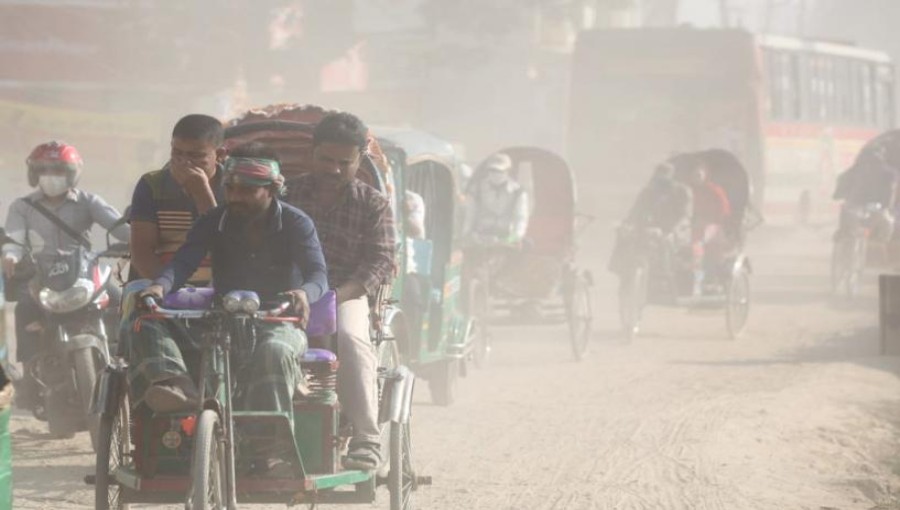
DHAKA, February 26, (V7N) — Residents of Dhaka woke up to a thick layer of smog on Thursday morning as the city’s air quality plummeted to "very unhealthy" levels. According to the Air Quality Index (AQI), Dhaka ranked as the second most polluted city in the world, recording a score of 246 at 8:35 AM.
The air quality in the capital today poses a significant health threat to the general population. On the global list of cities with the worst air quality, Baghdad (Iraq) claimed the top spot with a hazardous score of 559, while Lahore (Pakistan) and Kolkata (India) followed in third and fourth places with scores of 246 and 208, respectively.
The AQI is a critical tool for communicating the health risks associated with local air conditions. The scale is categorized as follows:
-
0–50: Good
-
51–100: Moderate
-
101–150: Unhealthy for sensitive groups
-
151–200: Unhealthy
-
201–300: Very Unhealthy (Current status of Dhaka)
-
301+: Hazardous
In Bangladesh, this index is calculated based on the concentration of five major pollutants: particulate matter ( and ), nitrogen dioxide (), carbon monoxide (), sulfur dioxide (), and ozone ().
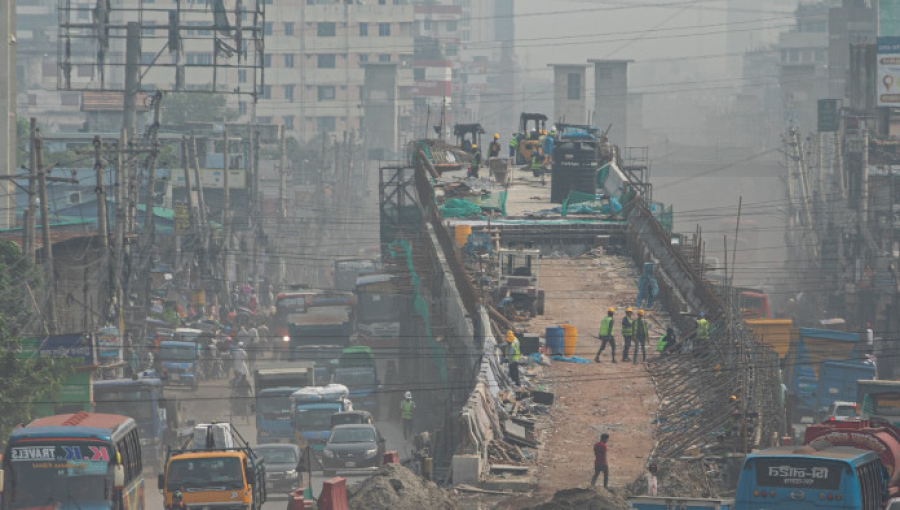
Dhaka has long grappled with deteriorating air quality, a problem that typically intensifies during the dry winter months. Factors such as construction dust, brick kiln emissions, and heavy traffic contribute to the stagnant, polluted air. Conversely, the arrival of the monsoon season usually brings relief as rain washes away suspended particles.
The health implications are severe. The World Health Organization (WHO) warns that air pollution is responsible for approximately seven million deaths annually. Long-term exposure increases the risk of stroke, heart disease, lung cancer, and chronic respiratory infections.
END/CLM/RH.





















Comment: