

SEOUL, March 20, (V7N) — K‑pop is celebrated worldwide for its talent, precision and spectacle — but behind the glittering performances lies a system marked by intense competition, strict control and, at times, tragic consequences.
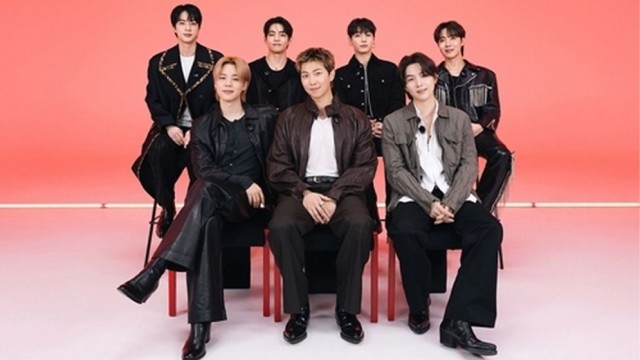
As BTS prepares for its comeback concert on Saturday, industry insiders and experts say the pressures that fuel South Korea’s global pop machine continue to raise concerns about artists’ wellbeing.
A factory of stars — and burnout
South Korean entertainment companies debut dozens of new groups every year, hoping to replicate the success of BTS or Blackpink. But with around 300 active groups, only a tiny fraction ever break through.
Trainees who pass auditions often endure 15‑hour days of vocal training, dance practice, gym sessions and promotional work. Many live in shared dormitories under strict rules governing their diet, weight, appearance and personal lives.
Former Nine Muses member Ryu Sera once described the system as “factory‑like mass production,” where idols are treated as “replaceable products.”
Industry executives defend the model, arguing that competition is essential. “We can’t help those who were given an opportunity for self‑improvement but couldn’t keep up,” Blitzers manager Oh Chang‑seok told AFP in 2021.
For years, labels held overwhelming power through so‑called “slave contracts”, which locked artists into long‑term deals with unequal profit sharing. After a landmark legal battle involving TVXQ, South Korea’s fair trade commission capped initial contracts at seven years in 2009 — but critics say the imbalance persists.
No dating — and no privacy
K‑pop fandom is famously passionate, but sometimes crosses into obsession. Rumours of idols dating often trigger backlash, with fans accusing stars of “betrayal.”
When BTS’s Jung Kook was rumoured to be dating Aespa’s Winter, fans sent a protest truck to HYBE headquarters accusing him of “deceit.” Aespa’s Karina faced similar outrage in 2024 after confirming a relationship with an actor; she later issued a handwritten apology and the couple soon split.
Some incidents have turned dangerous. In 2024, The Boyz member Sunwoo was assaulted by a fan hiding in a stairwell, and a tracking device was later found on the group’s vehicle. This month, a Brazilian woman was indicted for stalking Jung Kook, allegedly ringing his doorbell and leaving letters 23 times in one month.
Experts say the industry’s structure fuels this behaviour.
“Fans have come to occupy the role not of simple consumers but of participants who invest their emotions and time,” said Kim Seong‑sheen of Hanyang University. “The industry has long operated on the premise of controlling idols’ private lives and sustaining an illusion of intimacy.”
Cyberbullying and mental health risks
K‑pop has suffered several high‑profile tragedies, including suspected suicides linked to online harassment and intense scrutiny. In 2023, ASTRO’s Moonbin, 25, was found dead at home, prompting renewed debate about mental health in the industry.
Bang Si‑hyuk, HYBE chairman and creator of BTS, questioned in a 2023 CNN interview whether the level of criticism idols face is “justifiable,” noting that Western artists also endure harsh commentary.
Cultural critic Kim Do‑hoon argues the deeper issue is structural. K‑pop groups are assembled by agencies that invest heavily in training, creating a top‑down hierarchy that leaves young performers with little autonomy.
“This is a very hierarchical system that, at its core, has not changed over the years,” he said.
END/WD/RH/









Comment: