
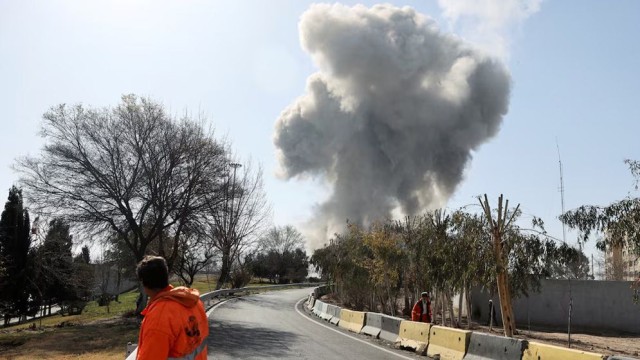
Tehran, Mar 07 (V7N) — The conflict in the Middle East continues to intensify after the United States and Israel launched a joint attack on Iran on February 28, triggering retaliatory strikes and spreading instability across at least 14 countries in the region.
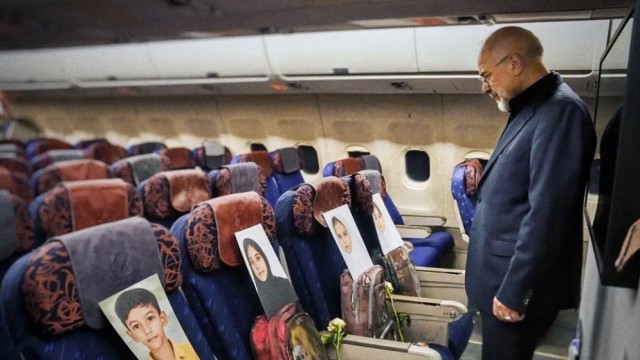
According to the Iranian Red Crescent Society, at least 1,332 people have been killed in Iran since the joint military operation carried out by the United States and Israel. The attack reportedly killed Iran’s Supreme Leader Ali Khamenei along with several top officials.
Iran–Israel military escalation
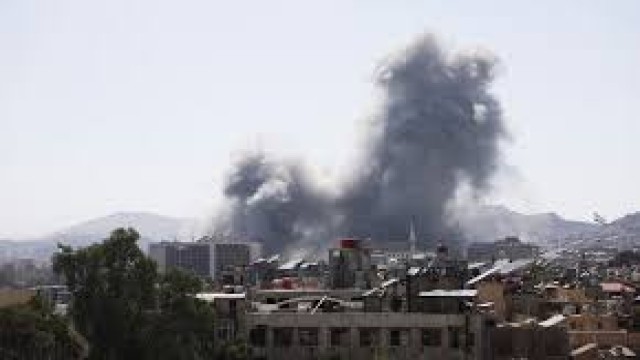
Iran’s elite military unit, the Islamic Revolutionary Guard Corps (IRGC), announced it had launched its 23rd round of retaliatory attacks against Israel. Meanwhile, the Israel Defense Forces said its air defense systems were actively intercepting missiles fired from Iran.
US stance on the conflict
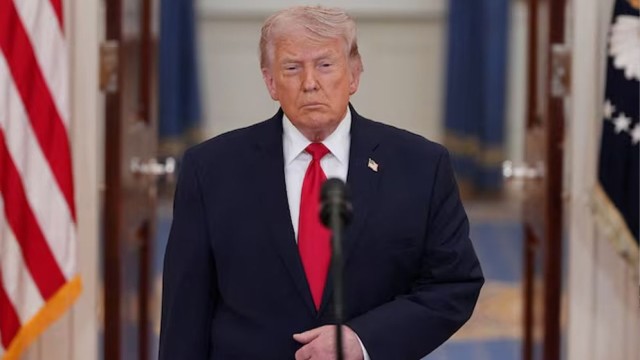
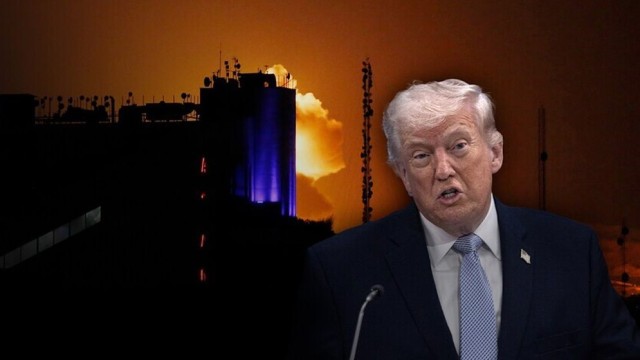
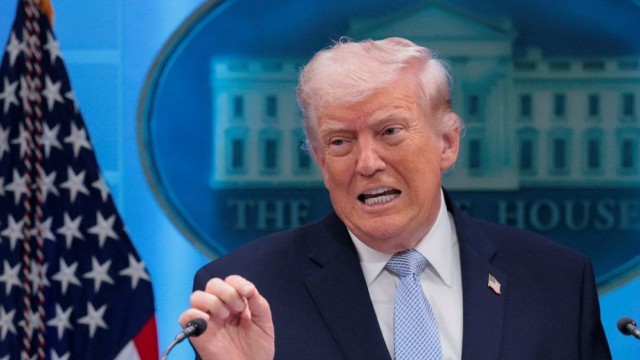
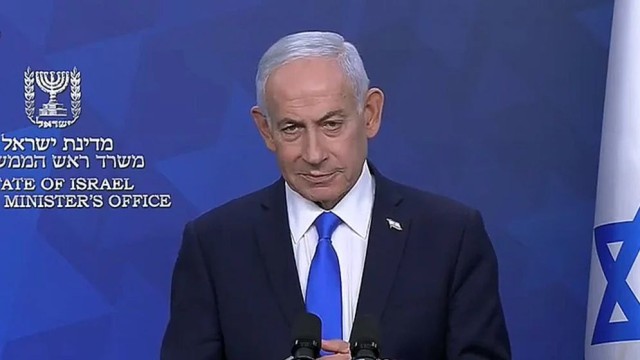
US President Donald Trump stated that any potential agreement with Iran must include “unconditional surrender.”
White House Press Secretary Karoline Leavitt said the United States is gradually taking control of Iranian airspace, adding that Washington believes its military objectives could be achieved within four to six weeks.
Global economic concerns
The war has raised alarm about its potential impact on the global economy. Saad al-Kaabi, Qatar’s Energy Minister, warned that the ongoing conflict could severely disrupt global energy markets. He said Gulf oil exporters might be forced to shut down production within weeks if the situation worsens.
Spillover into Lebanon
The fighting has also intensified in Lebanon. According to the Norwegian Refugee Council, nearly 300,000 people have been displaced within less than 100 hours since Israeli airstrikes began targeting southern Lebanon and the capital Beirut.
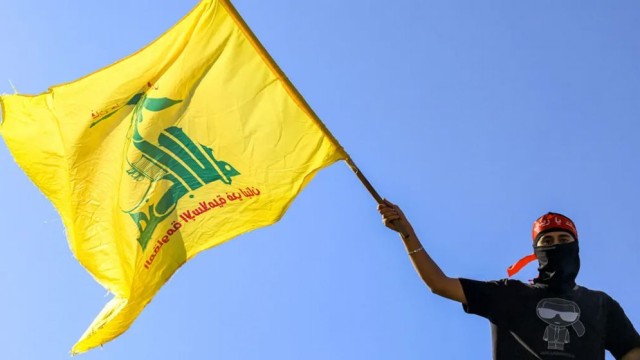
The Lebanese armed group Hezbollah said it launched rockets toward two sites in northern Israel in response to Israeli attacks.
Meanwhile, the Lebanese Ministry of Public Health reported that 217 people have been killed and 798 injured in Israeli strikes since Monday.
Growing regional crisis
The conflict is increasingly being viewed as a wider regional war, with military actions and humanitarian consequences spreading across multiple Middle Eastern countries. Analysts warn that continued escalation could further destabilize the region and trigger global economic shocks.
Source: Al Jazeera
END/SMA/AJ








Comment: