


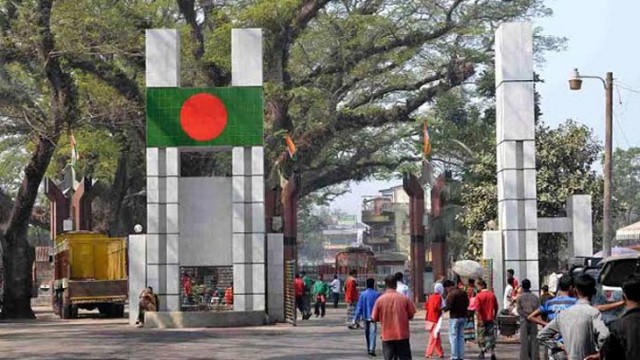
Dhaka, Dec 18 (V7N) — Allegations have emerged of heightened cross-border interference in Bangladesh, with India reportedly taking an increasingly aggressive stance against key political and activist figures. The concerns follow a social media post by Indian Prime Minister Narendra Modi on December 16, referring to the day as a “historic victory” in 1971. While he paid tribute to Indian soldiers who sacrificed their lives, the post did not mention Bangladesh or its independence, raising diplomatic sensitivities.
Sources allege that India has been facilitating safe havens for individuals accused of targeting Bangladesh’s pro-democracy activists, including members of the July 2025 movement. Among the alleged targets was Osman Hadi, a prominent student leader and spokesman for the Inquilab movement. Reports suggest that a recent assassination attempt on Hadi was part of a coordinated plan, which ultimately failed, and that many perpetrators were swiftly removed from Bangladesh.
Intelligence sources indicate that nearly 50,000 members of the ruling party, Awami League, have also found refuge in India, from where arms and financial support are allegedly being channeled back into Bangladesh. These resources are purportedly directed toward professional operatives targeting July movement activists and attempting to influence the electoral process. Authorities claim that special security measures have been implemented for frontline participants of the July uprising, although activists say these measures remain insufficient.
Osman Hadi and other prominent activists had reportedly been aware of potential threats to their lives, and they had communicated these concerns to law enforcement. Despite prior warnings, there is an allegation that adequate preventive action was not taken. Other activists reportedly listed as potential targets include Hasnat Abdullah, Nahid, Sarjis, and Asaduzzaman Fuad.
Analysts note that internal political divisions within the July movement and the emergence of new student-led groups have compounded vulnerabilities, making coordinated protection more challenging. Simultaneously, allegations of corruption and internal disputes within these groups have emerged, further complicating the political landscape.
Observers say that the combination of external influence, political unrest, and targeted threats has created an environment of heightened tension and instability in Bangladesh. Reports suggest that India may be exploiting these divisions to further strategic objectives, including providing shelter to certain political operatives and facilitating the spread of provocative messages through media and cultural channels.
The overall situation has raised concerns about potential escalations of violence, the safety of activists, and the integrity of upcoming electoral processes. Analysts warn that ongoing cross-border interference, coupled with domestic political polarization, could undermine stability in Bangladesh if immediate and coordinated measures are not implemented.
END/RKB/SMA/










Comment: