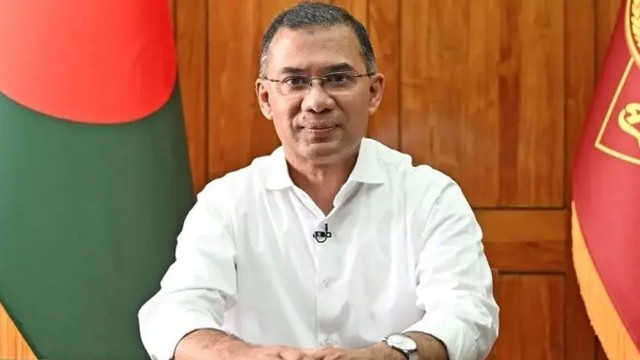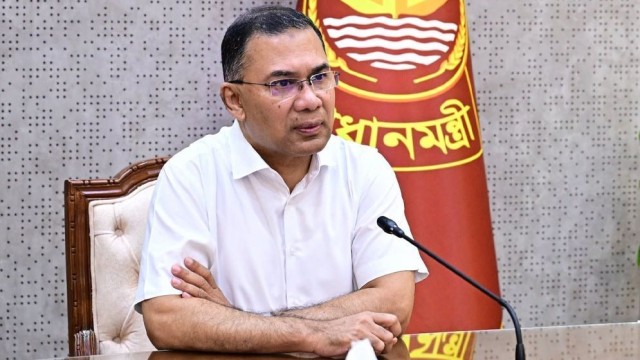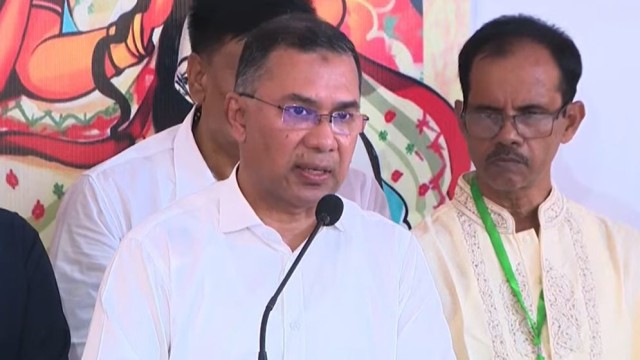
Sylhet, Sept 16 (V7N) – President Mirza Fakhrul Islam Alamgir has said that a democratic environment has returned to Bangladesh after years of struggle and sacrifice, and that protecting democracy and giving it a strong institutional foundation is now the greatest responsibility of all.
He said both the ruling and opposition parties have a responsibility to sustain the democratic system and ensure that Parliament functions effectively.
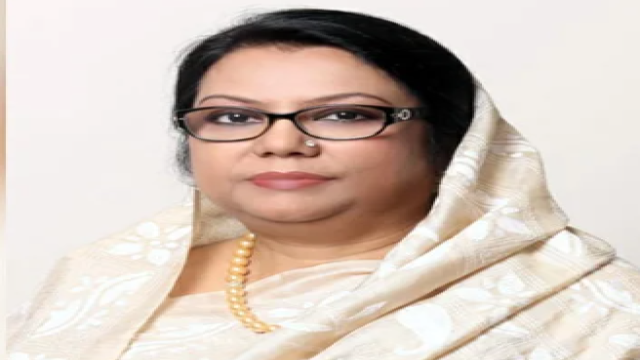
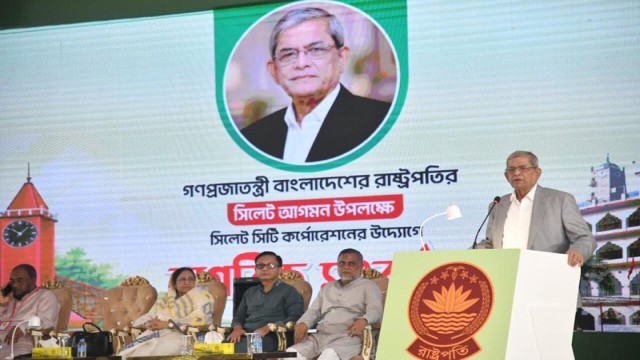
The President made the remarks at a civic reception organised by Sylhet City Corporation in his honour on Tuesday afternoon, September 15. His wife, Rahat Ara Begum, was also present at the event.
“We have achieved democracy. Protecting democracy is now our biggest task and our greatest responsibility,” the President said.
He stressed the need to make Parliament effective and urged political parties to resolve differences through dialogue despite disagreements over political issues.
Mirza Fakhrul said the people of Bangladesh had made enormous sacrifices in the past for democracy. The opportunity created through those sacrifices must not be neglected or squandered, he said.
He identified rebuilding the country, strengthening democracy and creating a healthy, prosperous and liveable Bangladesh for future generations as among the country's biggest challenges.
The President said the people of Bangladesh had struggled for democracy for a long time, but their efforts had repeatedly been disrupted. He called on people from all political and social backgrounds to make the most of the opportunity now available and work together in the greater national interest.
Recalling his long-standing ties with Sylhet, Mirza Fakhrul said the northeastern city was one of his most cherished places and that he visited whenever he had the opportunity.
Expressing gratitude to the people of Sylhet, he praised their warm hospitality and highlighted the region's rich history, culture and heritage.
He said Sylhet had produced many distinguished people who had made significant contributions to different fields of national life. The region, he added, had played an important role in literature, music, culture, the Liberation War and political movements.
Sylhet's distinctive cultural identity has also been enriched by the traditions of indigenous communities, tea gardens and its large expatriate population, he said.
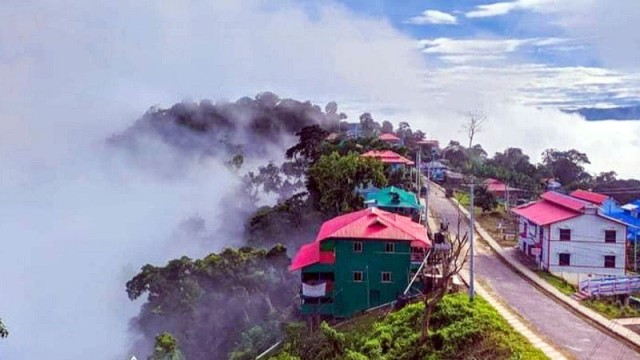
Highlighting Sylhet's tourism potential, the President said the region's hills, rivers, waterfalls, tea gardens, forests and haors make it one of Bangladesh's major tourist destinations.
Greater development of the tourism sector would be possible if these resources were utilised through proper planning, he said.
Calling on expatriate Bangladeshis to invest in the region, Mirza Fakhrul said the Sylhet diaspora was making an important contribution not only to the regional economy but also to Bangladesh's national economy.
He said expatriate investment should be integrated with sectors including tourism, agriculture, agro-processing, tea, fisheries, gas, information technology and small businesses.
The President also pointed to the considerable potential for fisheries based on Sylhet's haors and other water bodies. He said there were opportunities to establish new industries by making better use of the region's natural resources.
Alongside government initiatives, greater private-sector and expatriate investment would be needed in these areas, he said.
Speaking about overseas employment, the President said the minister responsible for expatriate welfare and foreign employment was already working with various countries to expand overseas labour markets.
Initiatives had also been taken to reopen some labour markets that had previously been closed to Bangladeshi workers, he said, expressing hope that the sector would make further progress in the coming days.
On the development of Sylhet, Mirza Fakhrul said ministers, members of Parliament and local representatives from the region were working on its various challenges and opportunities.
He said efforts were under way to advance several major development projects and expressed hope that their implementation would fulfil the long-standing expectations of the people of Sylhet.
Praising Bangladesh's communal harmony, the President said people of different faiths and communities, including Hindus, Muslims, Buddhists and Christians, had long lived together in the country.
“This communal harmony is one of Bangladesh's greatest strengths,” he said, stressing the need for everyone to work together to preserve it.
He acknowledged that political parties would continue to have differences in ideology and opinion, but said consensus should be reached on issues where agreement was possible in the national interest.
“We must stand on our own feet and secure our own rights. No one will come and do everything for us,” he said.
Referring to his continuing relationship with the people of Sylhet, the President said, “I have always been with the people of Sylhet, and I will remain with them in the future as well. InshaAllah, the people of Sylhet will lead Bangladesh.”
At the civic reception, Commerce, Industry, and Textiles and Jute Minister Khondkar Abdul Muqit, MP; Labour and Employment and Expatriates' Welfare and Overseas Employment Minister Ariful Haque Chowdhury, MP; Whip G. K. Gaus, MP; and Ambassador Mushfiqul Fazal Ansari delivered speeches as special guests.
Earlier, representatives of Sylhet's civil society expressed their expectations and aspirations for the region's development.
The event was chaired by Sylhet City Corporation Administrator Abdul Kayum Chowdhury.
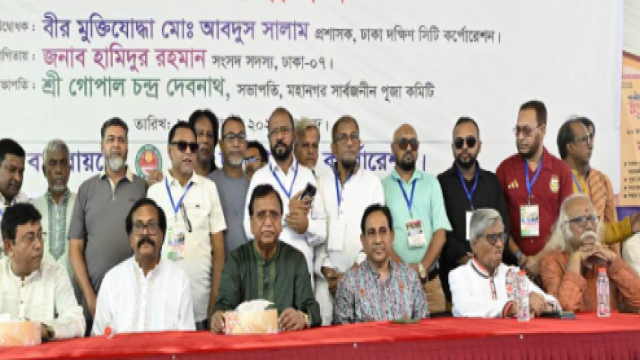
Members of Parliament from different constituencies of the Sylhet division, leaders of various political parties, and representatives of social and cultural organisations were present.
Following the reception, a cultural programme featuring local traditions and culture of the Sylhet region was organised in honour of the President.
END/RIM/SMA/