



DHAKA, Apr 03 (V7N) — With the banking sector operating for only two days last week due to the prolonged Eid-ul-Fitr holidays, the foreign exchange market in Bangladesh saw relatively low volume but notable shifts in value. While the US Dollar maintained a firm stance, several other major global currencies experienced a downward adjustment in their exchange rates against the Bangladeshi Taka (BDT).
According to data provided by NCC Bank for the trading days of Sunday and Monday, here is the breakdown of the major currency movements:
Major Currency Exchange Rates
| Currency | Highest Rate (BDT) | Lowest Rate (BDT) | Trend |
| US Dollar (USD) | 123.20 | 123.20 | Stable |
| British Pound (GBP) | 165.00 | 164.62 | Decreased |
| Euro (EUR) | 142.47 | 142.06 | Decreased |
| Canadian Dollar (CAD) | 89.85 | 89.84 | Stable |
| Singapore Dollar (SGD) | 96.00 | 96.00 | Stable |
| Australian Dollar (AUD) | 86.35 | 86.02 | Decreased |
| Saudi Riyal (SAR) | 32.84 | 32.84 | Unchanged |
| Malaysian Ringgit (MYR) | 31.00 | 31.00 | Unchanged |
| Indian Rupee (INR) | 1.33 | 1.33 | Unchanged |
Market Observations
-
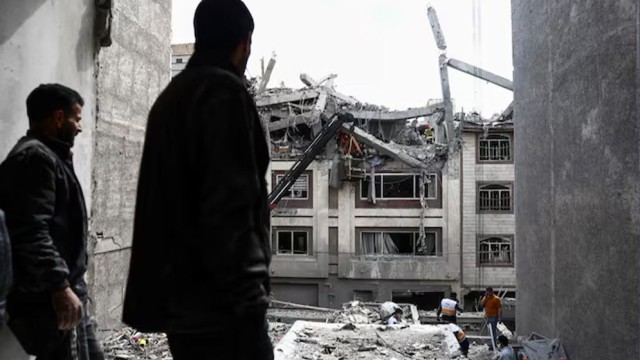
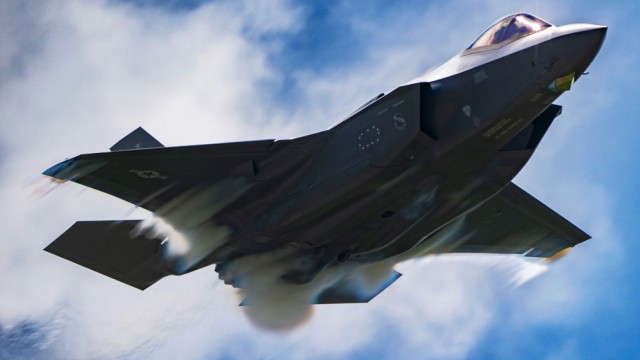
The "Dollar Anchor": Despite the global volatility caused by the conflict in the Middle East and the shooting down of a second U.S. F-35 today, the Greenback remained the most stable asset in the local market at 123.20 Taka.
-
European Softness: Both the Pound and the Euro saw slight declines. This is being attributed to a cooling of demand during the holiday lull and broader economic concerns in the Eurozone.
-
Regional Stability: Middle Eastern and Asian currencies like the Saudi Riyal and Malaysian Ringgit showed no movement, providing some predictability for expatriates sending remittances during the festive period.
-
The Rupee Factor: The Indian Rupee held steady at 1.33 Taka, which remains a critical figure for cross-border trade and medical tourism between the two neighbors.
Economic Context
Financial analysts suggest that the stability of the dollar is a positive sign for importers, especially given the record fuel price hikes in Pakistan (up 55%) and the recent Tk 378 increase in local LPG prices. However, they warn that as full banking activities resume next week, the "war situation" in the Middle East may exert new pressure on the Taka if global oil prices continue to climb.
END/SMA/AJ








Comment: