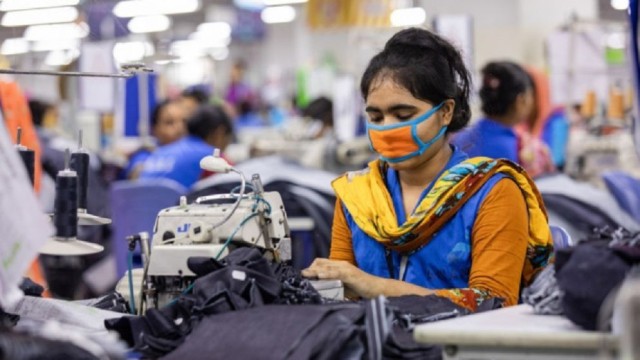
Dhaka, Nov 21 (V7N) – The International Labour Organization (ILO) has called for constructive dialogue and an evidence-based approach to reviewing minimum wages in Bangladesh's ready-made garment (RMG) sector amid ongoing unrest and its impact on workers, businesses and industrial relations.
In a statement, the ILO said it was closely monitoring developments surrounding the minimum wage review, including reports of unrest and its consequences for workers' livelihoods and enterprises.
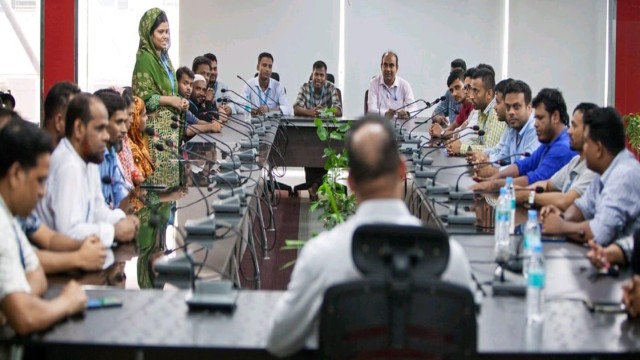
The organization welcomed the government's establishment of the Minimum Wage Board, describing consultation with employers' and workers' representatives as essential to a credible and effective wage-fixing process.
The ILO stressed that sustained social dialogue was crucial to ensuring adequate wages, decent working conditions, sustainable enterprises and sound industrial relations in a sector that plays a central role in Bangladesh's economy and employs millions of workers, particularly women.
Referring to the ILO Minimum Wage Fixing Convention (No. 131), the organization said minimum wages and their regular adjustments should be transparent, evidence-based and informed by reliable data.
It said wage decisions should take into account workers' and their families' needs, including living costs and inflation, alongside economic factors such as productivity, employment, economic development and business sustainability.
Other considerations should include the country's general wage levels, social security benefits, industrial capacity and the relative living standards of different social groups, the ILO added.
The organization also emphasized that improving wages and working conditions requires shared responsibility across supply chains and among all stakeholders. Responsible business and purchasing practices can help ensure compliance with wage obligations while supporting decent work and the sector's long-term competitiveness.
The ILO expressed concern over reports of violence, vandalism and disruptions, warning of their serious consequences for workers, businesses and industrial relations.
It underscored the importance of respecting freedom of association, the right to organize and collective bargaining, and urged all parties to pursue dialogue and peaceful means to ease tensions and allow the Minimum Wage Board to fulfil its mandate.
The ILO reaffirmed its commitment to supporting the Bangladesh government and employers' and workers' organizations through technical assistance, research, capacity development and social dialogue.
It also expressed readiness to support the development of an evidence-based and gender-responsive National Wage Policy to promote greater predictability, transparency and fairness in wage-setting, alongside sustainable enterprises and harmonious industrial relations.
END/V7D/SMA/