Zurich, Jul 09 (V7N)- FIFA's chairman of the Referees Committee, Pierluigi Collina, has firmly rejected allegations of bias following Egypt's controversial Round of 16 defeat to Argentina at the FIFA World Cup, insisting that referees operate independently and that their integrity should not be questioned.
In an interview published on FIFA's official website on Thursday, Collina said criticism and debate over refereeing decisions are a normal part of football but warned that baseless accusations can have serious consequences for match officials and their families.
"Discussion about refereeing decisions is part of football," Collina said. "However, unfounded allegations have no place in the game and can endanger referees and even their families."
He acknowledged that controversial decisions are inevitable during a tournament featuring a large number of matches in a short period.
"When difficult situations arise, referees review their performances and prepare even better for the next match. Constructive discussion is healthy, but accusations without evidence are unacceptable," he added.
Collina also dismissed suggestions that FIFA President Gianni Infantino or any other official could influence refereeing decisions.
"The integrity of FIFA referees cannot be questioned in any World Cup match. Even the FIFA President cannot influence officiating decisions. Match officials make decisions independently and in good faith, just as players and coaches strive to perform at their best."
The controversy followed Argentina's dramatic 3-2 comeback victory over Egypt in the Round of 16, with Enzo Fernández scoring the winning goal in stoppage time to send the defending champions into the quarter-finals.
After the match, Egypt head coach Hossam Hassan suggested the referee may have been under pressure to keep Argentina in the tournament. The Egyptian Football Association also lodged a formal complaint, questioning the use of the Video Assistant Referee (VAR).
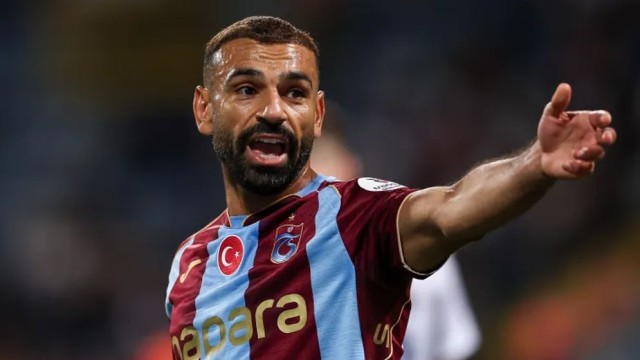
Egypt argued that Mostafa Zico's second-half goal was incorrectly ruled out for a foul during the build-up and claimed that Mohamed Salah should have been awarded a penalty shortly before Argentina scored the decisive goal.
Responding to those concerns, Collina said VAR acted in accordance with the Laws of the Game. He explained that Marwan Attia committed a foul on Argentine defender Lisandro Martínez during the attacking move that led to Zico's disallowed goal, making VAR's recommendation to overturn the goal appropriate.
Regarding Egypt's penalty appeal involving Salah, Collina said both the on-field referee and VAR concluded that the challenge involved normal football contact.
"If a player plays the ball first and the subsequent contact is within normal football action, it is not considered a foul," he said.
While acknowledging that some refereeing decisions remain open to interpretation, Collina said FIFA is satisfied with the overall performance of match officials and the implementation of VAR throughout the tournament.
END/SMA/AJ