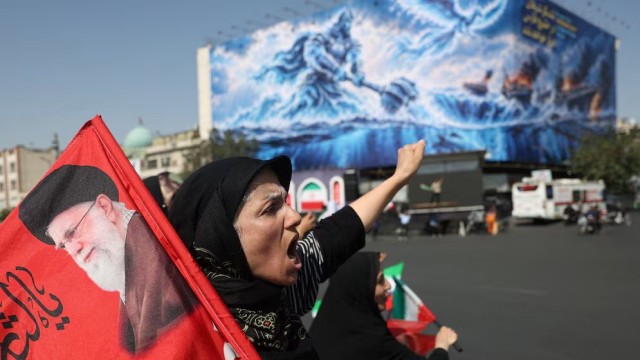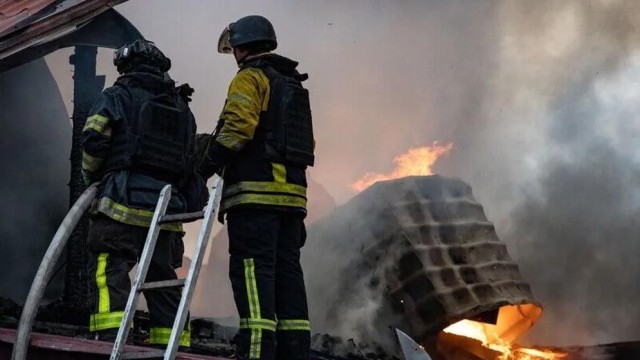
Tehran, Feb 21 (V7N) — Tensions between the United States and Iran are escalating in the Middle East, with both countries taking precautionary and strategic measures amid a growing threat of conflict.
US Military Buildup
The US has significantly increased its troop presence in the region, deploying warships, modern fighter jets, and conducting military exercises. Officials have warned that the threat of a broader conflict is rising as both sides signal readiness for possible hostilities.
Iran’s Preparations
Iran has responded by enhancing its defense capabilities. According to satellite imagery reported by CNN, several of Iran’s nuclear facilities have been strengthened, while its ballistic missile production center in Shahroud, Semnan province, has been rebuilt and expanded with advanced technology. Analysts note that Iran can now produce missiles faster and in larger quantities than before.
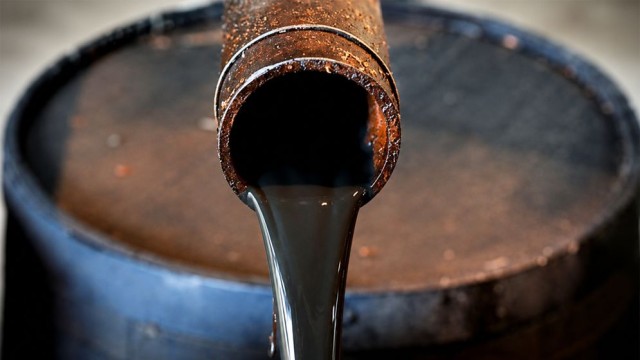
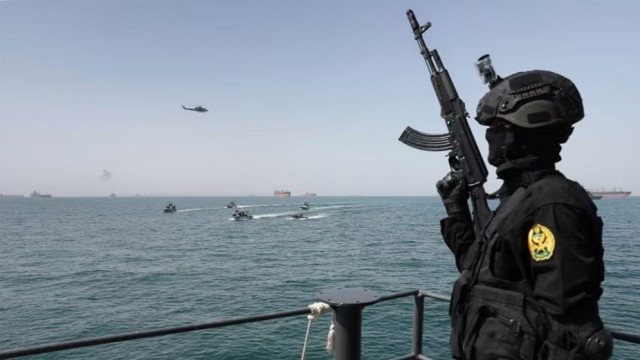
The country has also repaired air bases and acquired fighter jets and modern air defense systems from Russia, addressing losses suffered during its recent 12-day conflict with Israel. The Iranian Navy is conducting intensive exercises in the Persian Gulf, including joint drills with Russia, particularly around the strategic Strait of Hormuz, a crucial global oil transit point.
Diplomatic Efforts
Despite military preparations, diplomatic efforts are ongoing. Iranian and US representatives have held over three hours of talks in Geneva, but no final resolution has been reached.
Iran’s newly formed Defense Council, led by former IRGC commander Ali Shamkhani, is coordinating wartime preparations, aiming to strengthen defense systems and counter potential threats effectively.
Global Concerns
Experts warn that the ongoing military escalation could destabilize the Middle East and the global oil market. Analysts note that any conflict could have widespread economic, strategic, and geopolitical consequences, affecting regional stability.
The situation remains fluid, with both countries signaling determination to protect national interests while engaging in limited diplomacy to prevent a direct confrontation.
END/SMA/AJ