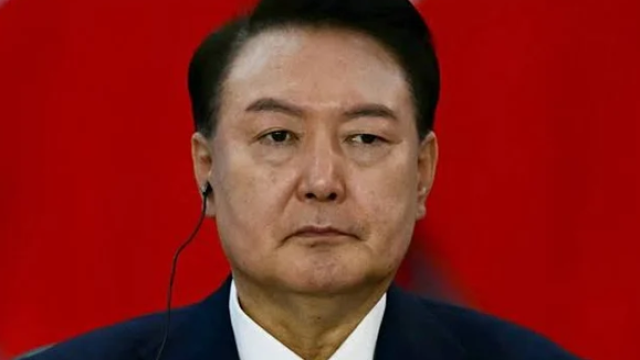
SEOUL, July 28 (V7N) – A South Korean court handed jailed ex-president Yoon Suk Yeol an 18-month suspended sentence on Monday for spreading disinformation during his 2022 election campaign, before his failed martial law bid.
The Seoul Central District Court ruling could see South Korea's main opposition People Power Party (PPP), which Yoon represented, forced to pay 39.7 billion won (US$29 million) to the election commission if upheld on appeal. It could also see Yoon's 2022 electoral win nullified—a largely symbolic blow for the disgraced ex-leader who is already serving a life sentence for insurrection.
Yoon declared martial law in December 2024, ordering troops to shut parliament before MPs rallied to vote it down after just six hours and oust him. The 65-year-old and his close cohorts have since been prosecuted in a hail of criminal cases.
Monday's sentence, suspended for three years, was handed down by judges who found Yoon guilty of twin violations of polling legislation by making false statements on the 2022 election trail. The court found he had been dishonest about his ties to a shaman and lied during an interview at a Buddhist conference to cover up a 2019 meeting with the mystic. He was also found to have lied about introducing a lawyer to a tax official investigated for alleged bribery.
"The defendant, a leading candidate in the presidential election... publicised false information regarding his specific actions to his advantage," the ruling said, read aloud on a livestream. "There are sufficient grounds to determine that the voters' ability to make informed decisions was compromised."
Yoon's legal team said there were "significant errors" in the judgment and said they would lodge an appeal.
Under South Korean law, the election commission reimburses parties for all campaigning costs if they win more than 15 percent of the vote. Candidates sentenced to prison for election offences are mandated to be removed from office, with their campaign funds returned to the commission. The PPP spent 39.7 billion won contesting the 2022 election and expects to be forced to pay back the cash if the ruling is upheld—roughly one-third of the party's assets, according to election commission filings.
END/WD/RH