


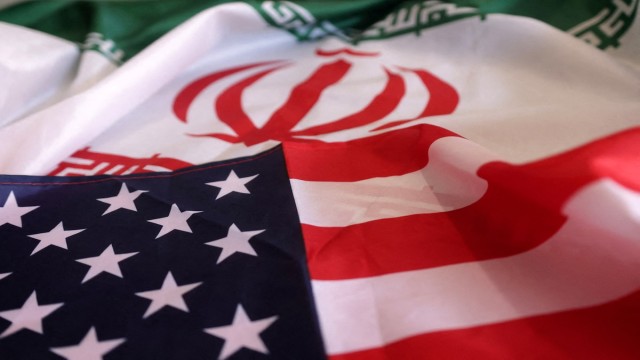
Washington, United States, Feb 5, (V7N) —Iran, US Confirm Nuclear Talks in Oman Despite Rising Tensions Iran and the United States confirmed on Wednesday that they will proceed with nuclear talks in Oman later this week, despite escalating rhetoric from President Donald Trump, who warned that Iran’s supreme leader should be “very worried.”
Uncertainty had surrounded the fate of the negotiations earlier in the day amid reports that talks between the long-time adversaries were faltering over disagreements on the meeting’s format and venue. The doubts fueled fears of renewed US military action against Tehran, as tensions have surged following Iran’s violent crackdown on some of the most serious protests since the 1979 Islamic Revolution.
Iranian Foreign Minister Abbas Araghchi said the talks were now firmly scheduled for Friday in Muscat. “I’m grateful to our Omani brothers for making all necessary arrangements,” he wrote on X. A White House official also confirmed to AFP that the meeting would take place in Oman.
Diplomatic sources had previously indicated Turkey as the likely venue, but the Axios news outlet reported that Washington was close to pulling out, citing Iranian objections over both the location and the inclusion of its ballistic missile program in the talks.
Despite the confirmation of negotiations, Trump continued to intensify pressure on Iran’s leadership. In an interview with NBC News, he said Supreme Leader Ayatollah Ali Khamenei “should be very worried,” and warned Iran against pursuing new nuclear facilities.
Trump claimed Tehran had considered developing a new nuclear site after US strikes on Iranian nuclear facilities during Israel’s June war with Iran. “We found out about it, I said, you do that, we’re going to do very bad things to you,” he said.
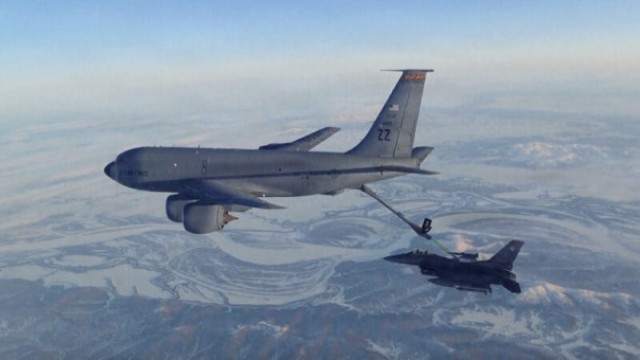
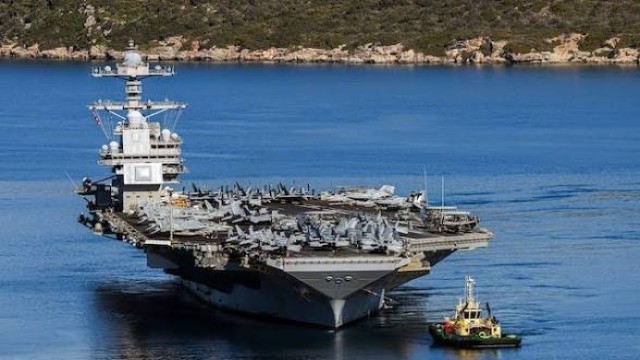
The United States has significantly boosted its military presence in the region, deploying an aircraft carrier group that Trump described as an “armada.” One of its aircraft shot down an Iranian drone on Tuesday. Iran has warned it would retaliate against US targets in the region if attacked.
US Secretary of State Marco Rubio said Washington was ready to engage in talks but stressed that discussions must be comprehensive to be meaningful. He said negotiations should address Iran’s nuclear activities, ballistic missile capabilities, sponsorship of armed groups in the region, and its domestic human rights record.
“They will have to include certain things,” Rubio said, noting that Trump’s special envoy Steve Witkoff had been prepared to meet Iranian officials in Turkey before receiving mixed signals on Tehran’s position.
Iran has consistently ruled out negotiations on its missile program, arguing that the weapons — capable of reaching Israel — are a legitimate means of self-defense. However, Tehran faces mounting pressure from domestic unrest and regional setbacks, including Israel’s weakening of Hezbollah and the fall of longtime Syrian leader Bashar al-Assad.
As talks approach, uncertainty remains over whether the negotiations can ease tensions or further expose the deep divisions between Washington and Tehran.
END/WD/RH/







Comment: