


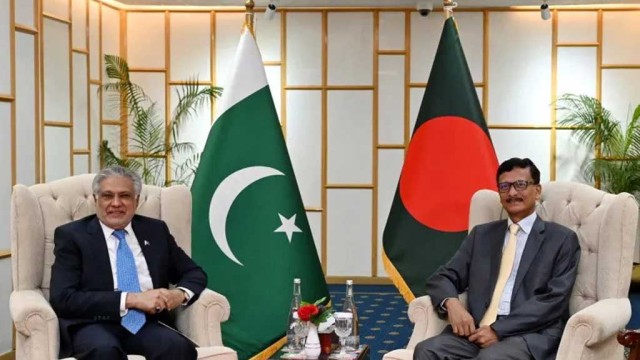
Dhaka, Dec 06 (V7N) — Pakistan has proposed transforming an emerging trilateral cooperation framework with Bangladesh and China into a broader regional bloc that would function independently of India—an idea being presented as a new model for South Asian regional collaboration.
The proposal comes at a time when the South Asian Association for Regional Cooperation (SAARC) remains effectively non-functional due to long-standing tensions between India and Pakistan. With SAARC unable to convene its summit since 2014, Islamabad is seeking alternative avenues for regional engagement.
According to diplomatic sources familiar with the initiative, Pakistan believes that a new platform—built on economic, connectivity, and development-focused cooperation—could create fresh momentum for South Asia. The idea emphasizes expanding ongoing trilateral engagements involving Pakistan, China, and Bangladesh into a more structured and inclusive grouping for countries willing to participate without political deadlocks.
Officials in Islamabad argue that the region needs new mechanisms to address trade, energy, climate, and infrastructure challenges. They also suggest that the proposed bloc could benefit from China’s extensive regional investments under the Belt and Road Initiative, particularly through improved supply chains and cross-border connectivity.
Bangladesh has not publicly responded to the proposal, and analysts say Dhaka is likely to weigh the idea carefully, balancing its relations with China while maintaining stable ties with India. China, meanwhile, has expressed general support for “regional cooperation frameworks that promote peace, development, and connectivity.”
Observers note that Pakistan’s suggestion reflects growing frustration within SAARC, where progress has been blocked for nearly a decade. However, expanding a trilateral format into a larger bloc could face geopolitical sensitivities, particularly given India’s longstanding influence in South Asia.
Diplomatic experts say the success of such an initiative would depend largely on how participating countries evaluate the political risks and economic advantages—especially in a region where strategic competition remains intense.
For now, Pakistan’s proposal signals its intent to explore alternative regional structures, even as SAARC’s future remains uncertain.
END/SMA/AJ/
















Comment: