


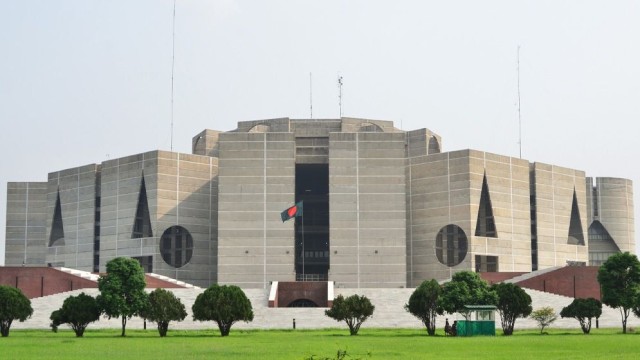
DHAKA, Mar 30 (V7N) — Law, Justice and Parliamentary Affairs Minister Md. Asaduzzaman confirmed on Sunday night that none of the 133 ordinances promulgated by the immediate past interim government will be cancelled. Speaking to reporters, the Minister stated that the parliamentary special committee tasked with reviewing these executive decrees is currently finalizing its findings and will submit its formal report to the Jatiya Sangsad by April 2.
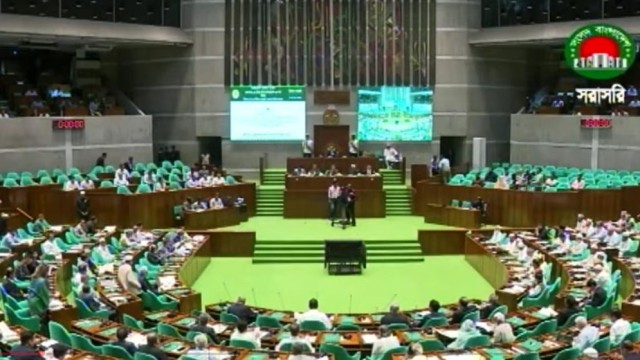
The legislative process faces a tight constitutional deadline, as Article 93(2) mandates that all ordinances must be approved by the new parliament within 30 days of its first sitting or they will automatically lapse. Committee member Salahuddin Ahmed noted that while it may not be possible to convert every single ordinance into a full statute within this 30-day window, those that lapse due to time constraints will be reintroduced as regular bills for detailed parliamentary debate at a later stage.
A significant point of contention remains the Referendum Ordinance Bill. Home Minister Salahuddin Ahmed suggested that there may be no need to enact the referendum framework in a new form, particularly as the February 12 constitutional referendum—which endorsed the "July Charter"—has already been concluded. However, this stance has met with resistance from opposition members within the special committee.
The opposition, led by Chief Whip Nahid Islam of the National Citizens Party (NCP), has issued formal "notes of dissent" on several key issues. The opposition alleges that the ruling party is using its two-thirds supermajority to "partyize" constitutional institutions rather than fostering independent oversight. They have particularly called for the immediate formation of a Constitutional Reform Commission to ensure that the mandates of the July Uprising are permanently encoded into the national framework.
As the April 2 deadline approaches, the parliament is expected to prioritize ordinances related to the protection of July Uprising participants, judicial appointments, and anti-corruption reforms. While the government maintains that it is moving toward a vibrant and effective house, the deep-seated disagreements over the fate of these 133 decrees underscore the challenges of Bangladesh's ongoing constitutional transition.
END/SMA/AJ












Comment: