


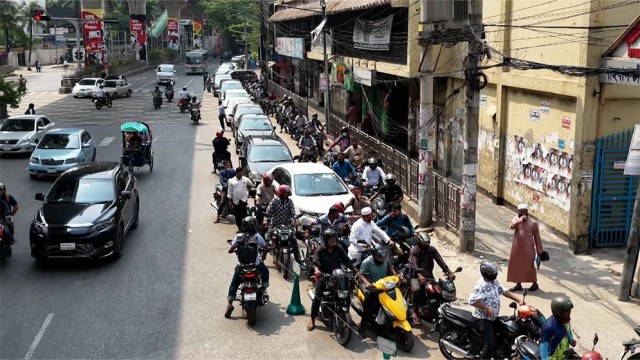
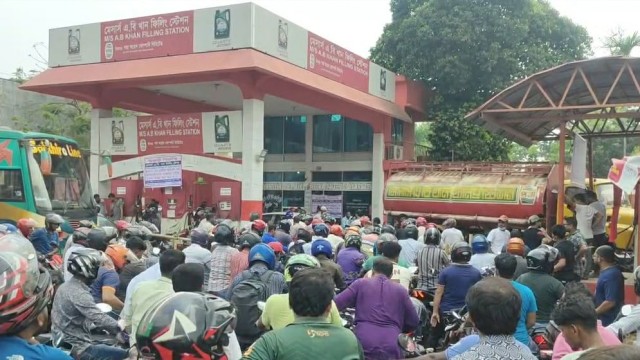
DHAKA, Apr 02 (V7N) — As the conflict in the Middle East continues to destabilize global energy markets, economic and energy analysts in Bangladesh are calling for a fundamental shift in how the government manages fuel pricing. While the administration has so far opted to keep domestic prices stable to shield consumers, experts suggest that a transition to a market-based pricing structure is essential for long-term economic resilience.
The current strategy of maintaining price stability despite global fluctuations has been labeled "logical" for the short term, but analysts warn that the underlying flaws in the pricing system could lead to "predatory spending" if not addressed.
Recommendations from Economic Policy Experts
Dr. Khondaker Golam Moazzem, Research Director at the Center for Policy Dialogue (CPD), highlighted that the government’s current subsidy model is essentially a reallocation of existing profits within the Energy Ministry rather than a sustainable grant system.
-
Efficiency Gains: Dr. Moazzem argued that shifting to a market-based structure could result in 15% to 21% savings by eliminating inefficiencies in the supply chain.
-
Fossil Fuel Transition: He emphasized that subsidies for fossil fuels should be gradually phased out to support the "long-term strategy of energy transformation." He warned that continuing heavy subsidies could severely hamper the country's shift toward renewable energy.
Calls for Transparency and Public Hearings
Professor M. Shamsul Alam, Energy Advisor to the Consumers Association of Bangladesh (CAB), urged the government to involve the public in the decision-making process to prevent arbitrary price hikes.
-
BERC Public Hearings: CAB is calling on the government to instruct the Bangladesh Energy Regulatory Commission (BERC) to hold public hearings. These sessions would allow stakeholders to propose ways to reduce prices and cut the deficit without placing the burden on the average consumer.
-
Preventing Predatory Spending: By making the process transparent, Prof. Alam believes the government can reduce "predatory" institutional spending and ensure that any profits from fuel sales are redirected as direct subsidies for marginalized populations.
Geopolitical Outlook
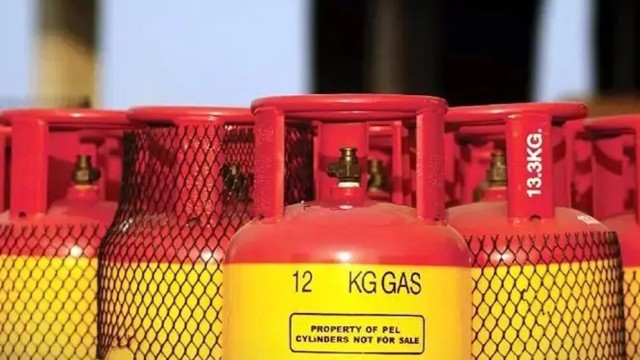
Analysts noted that the "war situation" requires a high level of vigilance. While the government has successfully avoided a direct price hike for petrol and diesel this month—unlike the Tk 378 increase in LPG—the volatility of the Saudi Contract Price (CP) remains a constant threat.
The consensus among analysts is that the country’s fuel pricing mechanism is currently "flawed" and requires an urgent revision to reflect real-time global market conditions. They suggest that a market-based system, paired with targeted social safety nets for low-income citizens, would provide a more stable economic foundation than the current ad-hoc subsidy model.
END/SMA/AJ













Comment: