


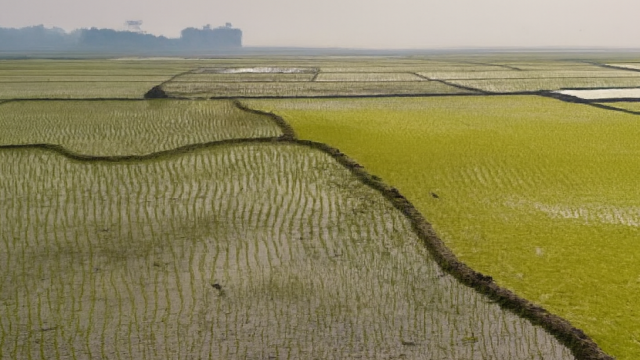
RAJSHAHI, February 23, (V7N) — The vast fields of the Barind tract are currently bustling with activity as farmers across Rajshahi’s nine upazilas race to meet a massive Boro production target of 329,303 metric tons this season. With a cultivation goal set for 68,300 hectares of land, the region has transformed into a festive landscape of agricultural labor, with planting activities expected to continue at full tilt until mid-March.
According to the Rajshahi Department of Agricultural Extension (DAE), upazilas including Godagari, Tanore, Paba, and Mohanpur are the primary hubs of this seasonal surge. Despite a prolonged and bone-chilling winter that initially threatened seedbeds, farmers have successfully protected their seedlings using modern techniques like polythene covering. As of late February, planting has been completed on over 27,625 hectares, marking significant progress toward the divisional food security goal.
The current season is also witnessing a major shift toward high-yielding and climate-resilient rice varieties. Farmers are increasingly moving away from traditional seeds in favor of newly developed strains such as BRRI dhan-89, 92, and the zinc-rich 100. Agriculture officials noted that these varieties not only offer higher yields per hectare but are also better suited to the specific soil and water conditions of the drought-prone Barind region, providing a sense of optimism among the grassroots growers.
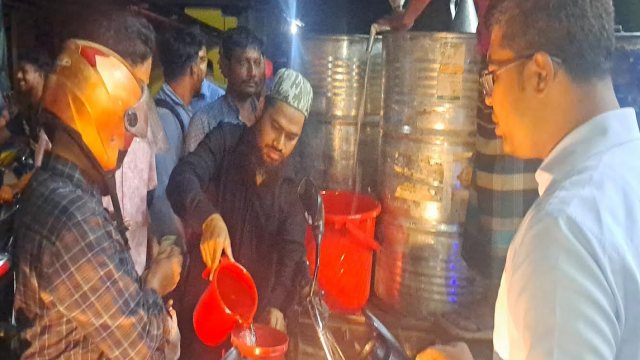
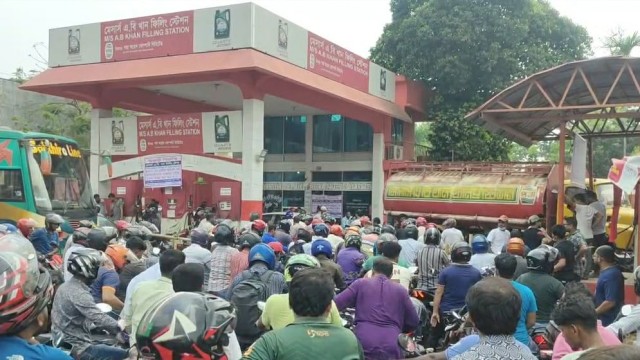
However, the surge in production comes with rising concerns regarding input costs. Farmers in Tanore and Paba expressed anxiety over the increasing prices of diesel and fertilizers, which are vital for the irrigation-heavy Boro crop. Sharecroppers, in particular, have urged the government to ensure fair market prices for their harvest to offset these higher production expenses, emphasizing that their survival depends on a stable and transparent procurement system.
In response to these challenges, the Barendra Multipurpose Development Authority (BMDA) has pledged to provide uninterrupted irrigation facilities across the district. Furthermore, the new administration, led by Prime Minister Tarique Rahman, has integrated Boro support into its national "Family Card" and "Agriculture Card" initiatives. These programs aim to provide subsidized seeds and fertilizers directly to farmers, alongside the promise of waiving agricultural loans up to 10,000 BDT to alleviate rural debt.
Additional Deputy Director of Rajshahi DAE, Mita Sarkar, stated that the department is providing direct field-level consultations to ensure that the production target is not only met but exceeded. By combining modern scientific methods with robust government incentives, the administration aims to transform Rajshahi into a more self-reliant agricultural powerhouse while significantly reducing the financial burden on the region's hardworking farmers.
END/RAR/RH/

















Comment: