


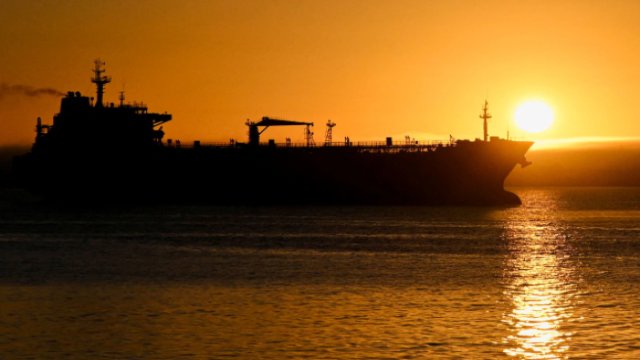
MAR 31 (V7N) - The Russian oil tanker Anatoly Kolodkin was set to deliver the first crude oil shipment to Cuba since January on Tuesday, marking a temporary reprieve for the country facing a severe fuel crisis. This delivery of 730,000 barrels of crude comes after U.S. President Donald Trump decided to allow the shipment in a rare move to provide humanitarian relief to the island nation. Although under U.S. sanctions, the tanker was permitted to dock at the Matanzas port, east of Havana. The decision was made to help alleviate the ongoing fuel shortages, blackouts, and fuel rationing affecting Cuba.
Rosa Perez, a 74-year-old retiree from Matanzas, expressed deep relief at the news, as her neighborhood had been enduring repeated power outages. She voiced hope that more oil shipments would follow to improve the living conditions of Cubans who have been grappling with shortages of food, medicine, and fuel.
Despite the decision to allow this shipment, the White House stressed that this was a case-by-case decision and that there had been no change to the U.S. sanctions policy. White House Press Secretary Karoline Leavitt clarified that the ship’s arrival was aimed at fulfilling humanitarian needs for the Cuban people, not an overall policy shift.
Cuba had been cut off from oil supplies since January after the U.S. ousted Venezuela's President Nicolás Maduro, Cuba's key regional ally, and imposed sanctions on any country that sent crude to the island. Trump had even suggested the possibility of "taking" Cuba, though talks between U.S. and Cuban officials had been held in March.
Ricardo Herrero, executive director of the Cuba Study Group, stated that the aim of the oil restrictions was to pressure the Cuban government into making concessions at the negotiating table. However, he noted that the goal was not to cause a full humanitarian collapse, but rather to push the regime towards negotiations.
Cuba has suffered from nationwide blackouts since 2024, with two major outages occurring in March 2026 alone. This, combined with soaring fuel prices, has led to widespread frustration among the population. While the Russian oil shipment will offer temporary relief, analysts suggest it will only sustain the Cuban economy for a few weeks. The more pressing need for diesel to power backup generators and transport systems remains unmet, with experts noting that it will take around a month to refine the crude and convert it into usable diesel.
Jorge Pinon, an expert on Cuba's energy sector, emphasized that this shipment was likely to be seen as humanitarian aid rather than a long-term solution to Cuba’s energy crisis. He also pointed out that while it would help in the short-term, it would not revive Cuba's economy in the long run.
The Russian government's support is seen as another instance of Moscow's ongoing alliance with Cuba, but Herrero remained skeptical about Russia's long-term intentions, suggesting that the country was unlikely to subsidize Cuba’s economy indefinitely. The Russian oil delivery serves more as a temporary lifeline for the Cuban people amidst the ongoing crisis.
END/SMA/RH


















Comment: