



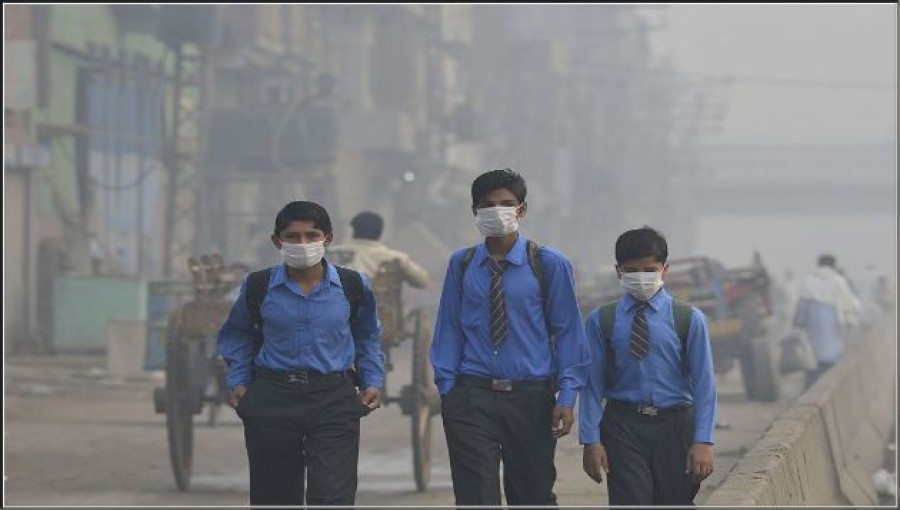
DHAKA, Mar 24 (V7N) – Dhaka, the capital of Bangladesh, was ranked the fourth most polluted city in the world on Tuesday morning, with an Air Quality Index (AQI) reading of 155 at 9:56 am, placing the city in the "unhealthy" category. The AQI score indicates a serious health risk, particularly for sensitive individuals, such as those with respiratory conditions, children, and the elderly.
On the same day, Delhi in India had the highest AQI at 205, followed by Beijing, China at 180, and Busan, South Korea at 163, making them the top three most polluted cities globally. According to the AQI scale, a reading between 151–200 is categorized as "unhealthy", meaning everyone may begin to experience adverse health effects, not just sensitive groups.
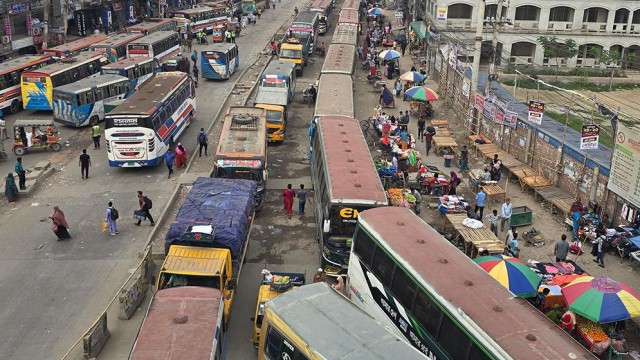
The AQI measures air pollution based on five major pollutants: particulate matter (PM10 and PM2.5), nitrogen dioxide (NO2), carbon monoxide (CO), sulfur dioxide (SO2), and ozone. In Bangladesh, air quality tends to worsen during winter, often due to traffic emissions, industrial activities, and the burning of biomass, with slight improvements during the monsoon season.
The World Health Organization (WHO) estimates that air pollution contributes to around seven million deaths worldwide annually, caused by diseases like stroke, heart disease, chronic respiratory conditions, lung cancer, and respiratory infections. As the air quality in Dhaka worsens, health officials are urging residents to take precautions and limit outdoor activities, especially during peak pollution hours.
This ongoing air quality crisis highlights the urgent need for improved air pollution management and stricter environmental policies to protect public health in Dhaka and other highly polluted cities worldwide.
END/CLM/RH/





















Comment: