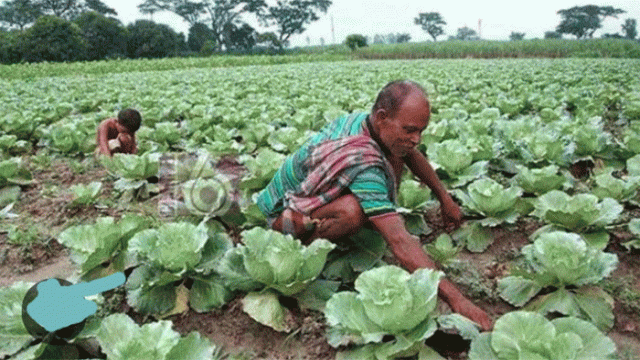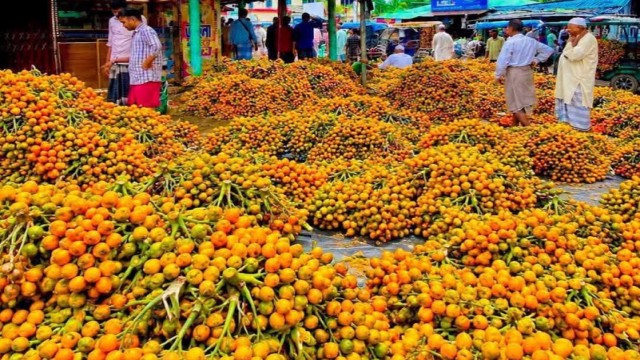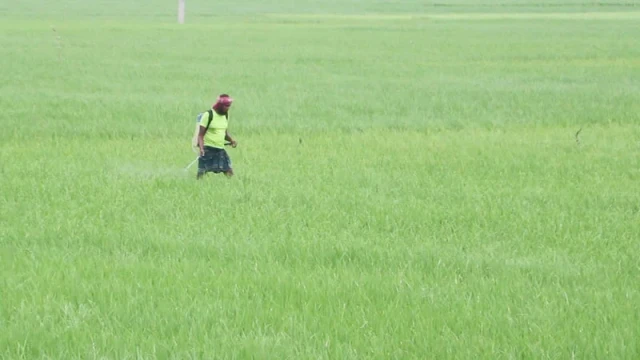
Netrakona, Sept 30 (V7N) – Commercial production of rice seedlings, locally known as “Jalapat,” is becoming a major source of income for many farmers in the haor areas of Netrakona, as climate change, flash floods and changes in farming practices reshape traditional agriculture.
Farmers once prepared seedbeds mainly to meet their own planting needs. Now, many are producing seedlings commercially, selling them to farmers who struggle to prepare seedbeds on time or lose young plants to sudden flooding.
Local farmers said low-lying fields in the haor areas often remain submerged for extended periods, preventing farmers from preparing seedbeds at the appropriate time. Flash floods can also destroy seedlings, creating shortages during critical planting periods.
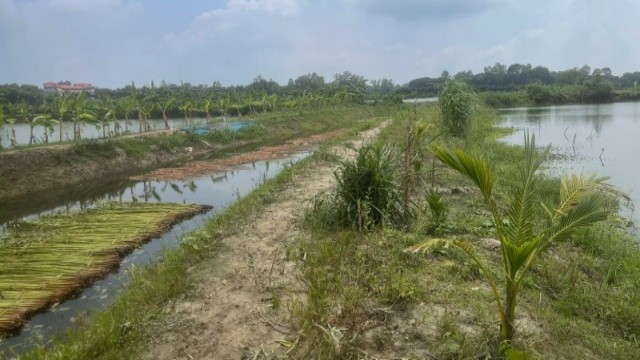
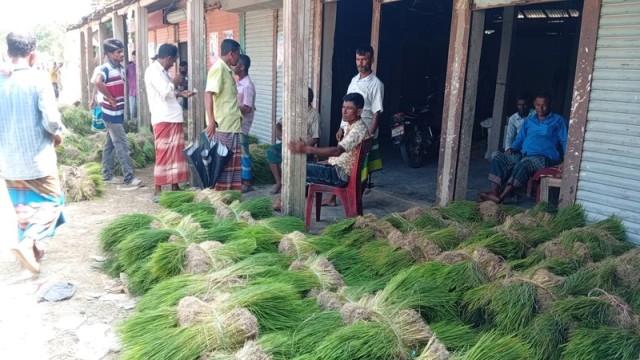
To meet this demand, enterprising farmers in relatively higher areas have started cultivating rice seedlings on a commercial scale. Extensive seedbeds can now be seen in different parts of Madan, Mohanganj, Khaliajuri and Kalmakanda upazilas.
A farmer from Madan who has turned seedling production into a business said he previously prepared seedlings only for his own land but had begun selling them as demand increased.
“Seedlings are now in high demand. Depending on the variety and quality, a pon of Jalapat—80 bundles of seedlings—can be sold at a good price. After deducting production costs, the business can generate a good profit within a short period,” he said.
Local residents said the commercialisation of seedling production was benefiting farmers who faced shortages while also creating new employment opportunities in rural areas.
The availability of quality seedlings at the right time has also helped farmers reduce some of the risks associated with Boro and Aman cultivation in the haor region.
Farmers and local residents believe the growing seedling trade could continue to support agricultural production and strengthen rural livelihoods, particularly in areas vulnerable to seasonal flooding.
END/ATN/SMA/