Dhaka, Nov 03 (V7N)- Global oil prices edged higher on Tuesday following reports of a US attack on Iran's Qeshm Island, renewing concerns over a possible escalation of the eight-month-long Middle East conflict and prolonged disruptions to regional oil supplies.
However, the increase remained modest after both major oil benchmarks plunged more than 7 percent in the previous trading session.
At 3:55 am local time on Tuesday, US benchmark West Texas Intermediate (WTI) crude rose 20 cents, or 0.21 percent, to $96.66 per barrel. Meanwhile, Brent crude, the international benchmark, gained 3 cents, or 0.03 percent, to reach $104.80 per barrel.
On Monday (November 2), both benchmarks had recorded losses of more than 7 percent as hopes of a diplomatic breakthrough between Iran and its regional counterparts eased market concerns about the conflict.
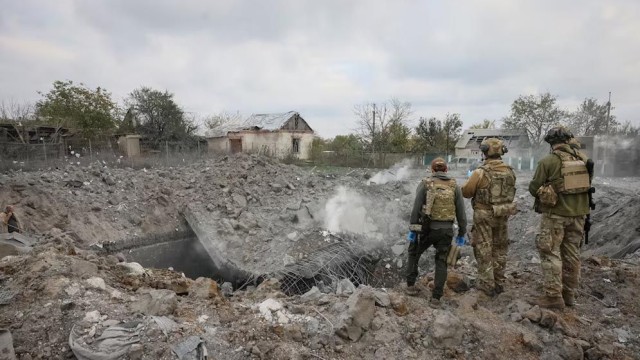
However, The Wall Street Journal, citing US officials, reported on Tuesday that American forces had carried out an attack on Iran's Qeshm Island. Some officials reportedly described the operation as defensive, saying it was intended to prevent Iran from freely targeting commercial vessels in the strategically important Strait of Hormuz.
The report renewed geopolitical concerns among oil traders and introduced fresh uncertainty into the global energy market.
Tim Waterer, chief market analyst at KCM Trade, said the development had introduced a new risk premium into oil prices. He noted that the market had begun considering the possibility of a diplomatic resolution before news of renewed military activity changed the outlook.
Nevertheless, analysts observed that oil prices had failed to register a substantial recovery despite the latest developments.
Priyanka Sachdeva, head of market analysis at Phillip Nova, said much of the geopolitical risk had already been factored into oil prices. She suggested that fresh military developments alone might not be enough to sustain another significant rally.
According to her, a prolonged price surge would be difficult without clear evidence of major disruptions to oil supplies or damage to critical energy infrastructure.
US-Iran Negotiations Continue Amid Regional Tensions
Meanwhile, Tehran said on Monday that communications with Washington were continuing as both sides explored possibilities for ending the conflict.
Several days of discussions involving Qatari mediators had concluded without a final agreement. Although both sides reportedly made adjustments to their proposals, no significant breakthrough was achieved.
US President Donald Trump also cast doubt on Monday over whether he would carry out his earlier threat of further military strikes against Iran. However, he did not rule out the possibility of reaching an agreement with Tehran, keeping diplomatic options open.
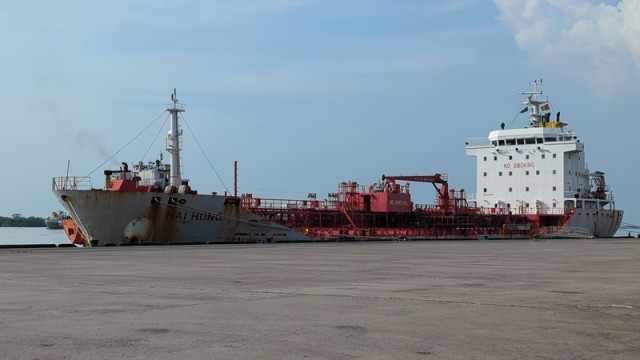
The conflict, which began in late February, has severely disrupted maritime traffic through the Strait of Hormuz, one of the world's most important energy shipping routes.
Before the conflict, approximately one-fifth of global crude oil and natural gas supplies passed through the strategic waterway. The disruption has raised concerns over the reliability of international energy supplies and the potential consequences for the global economy.
Rising Fuel Costs Add Pressure on Washington
The conflict has also affected the US domestic energy market, with geopolitical uncertainty contributing to elevated gasoline prices.
Higher fuel costs have increased financial pressure on American consumers and added to the political challenges facing the Trump administration as it seeks to address the ongoing conflict.
Meanwhile, concerns over a possible escalation in the Middle East following the US midterm elections scheduled for Tuesday have also influenced market sentiment. Brent crude had already reached a six-month high in late October amid fears of further regional instability.
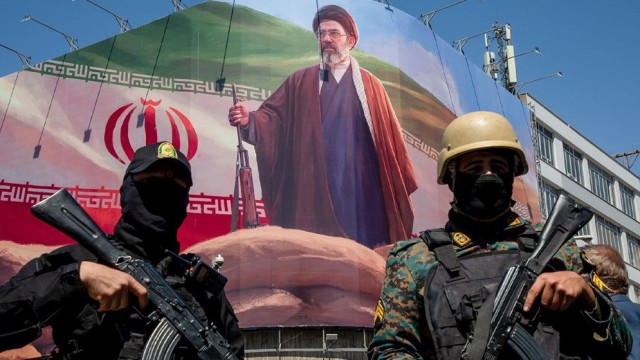
In another significant development, Iranian President Masoud Pezeshkian said the country's Supreme Leader, Ayatollah Mojtaba Khamenei, had granted the government special authority to pursue peace negotiations.
The move has raised hopes of renewed diplomatic efforts to end the conflict, although major disagreements between Washington and Tehran remain unresolved.
Market analysts are now closely monitoring developments around the Strait of Hormuz, diplomatic negotiations and regional military activities, as these factors are expected to remain central to the direction of global oil prices.
END/SMA/AJ