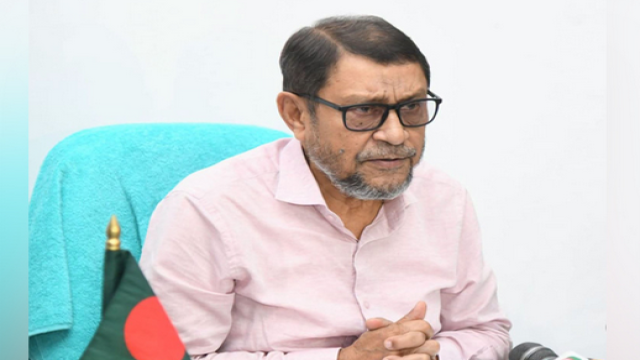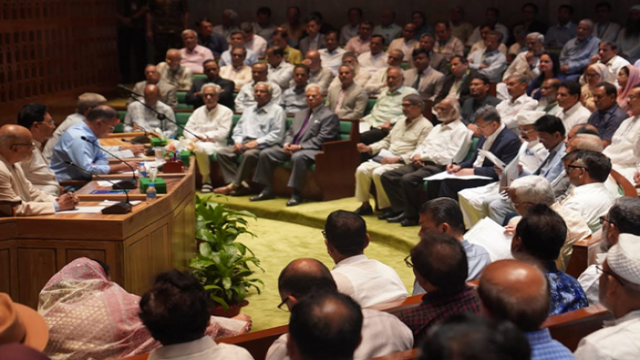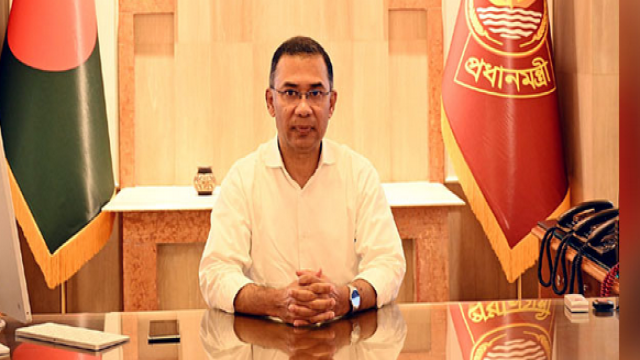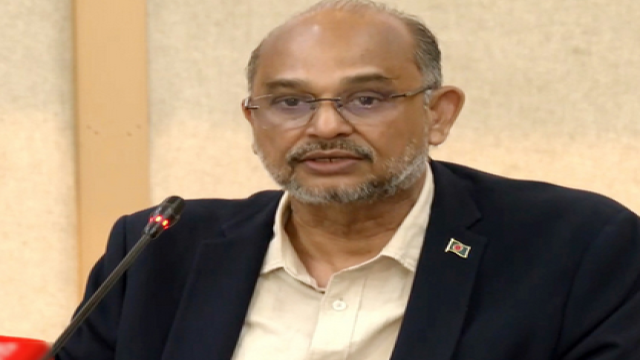
DHAKA, June 6, 2026 (V7N) – Prime Minister's Adviser on the ministries of Finance and Planning Dr. Rashed Al Mahmud Titumir has announced that the government is working on a new economic model aimed at transforming Bangladesh into a one-trillion-dollar economy by 2034. He made the remarks at a roundtable discussion titled "Budget for a Crisis Moment 2026–27", emphasizing that growth benefits must reach all sections of society under the philosophy of a "Bangladesh for all."
Dr. Titumir highlighted key priorities including administrative reforms, reduction of bureaucratic complexities, creation of equal opportunities for domestic and export-oriented industries, and formulation of business-friendly policies to boost investment. He also noted that a Tk 60,000 crore restructuring package is being prepared to revive closed industrial units, alongside efforts to strengthen agriculture through improved water resource management and enhance efficiency in health, education, and grassroots service delivery.
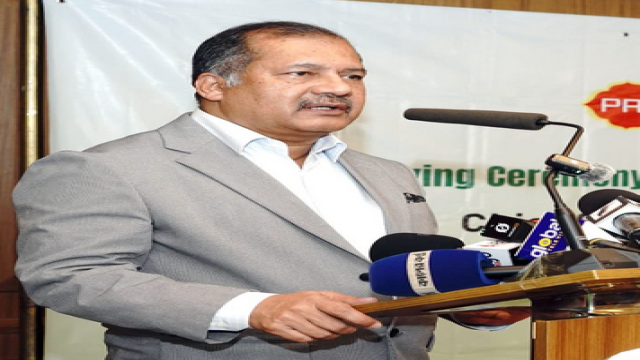
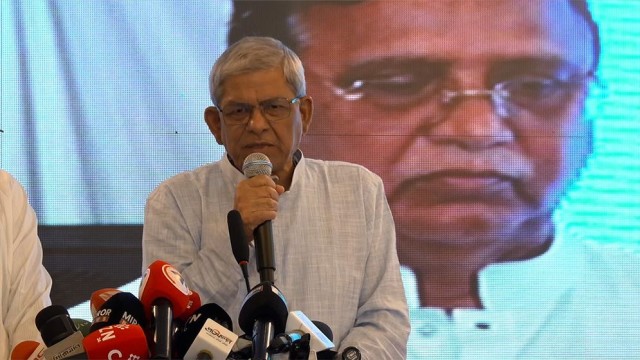
The roundtable was held at the CIRDAP International Conference Centre in Dhaka, organized by the online platform Chaarcha.com. State Minister for Planning Zonayed Abdur Rahim Saki attended as special guest. Speakers included Policy Exchange Bangladesh Chairman Dr. M. Masrur Reaz, Apex Footwear Managing Director Syed Nasim Manzur, researcher Maha Mirza, former Finance Secretary Muslim Chowdhury, BKMEA President Mohammad Hatem, and others.
Speakers at the event stressed the need for comprehensive economic reforms to address inflationary pressure, investment stagnation, employment challenges, and global economic uncertainty. They called for modernization of tax administration, enhanced productivity in agriculture and industry, strengthened financial sector governance, and long-term policy stability to ensure sustainable economic growth.
Apex Footwear MD Syed Nasim Manzur called for reducing the corporate tax rate from 27.5 percent to 20 percent and introducing digital audit systems. Researcher Maha Mirza urged increasing agricultural budget allocation from 5 percent to 10 percent, improving access to modern farm machinery, expanding rural procurement centers, and strengthening cold storage facilities to reduce post-harvest losses.
END/AJ/RH/