June 29 (V7N) - Medical experts at a seminar in Rajshahi highlighted that closer cooperation between state institutions and non-governmental organizations is essential to curb the rising numbers of iatrogenic fistula cases. This specific medical condition is characterized as an abnormal, tube-like connection that forms between internal organs or blood vessels due to an accidental error during surgeries or catheterization. The specialists noted that it stands as a direct complication of medical interventions rather than an injury caused by natural disease.
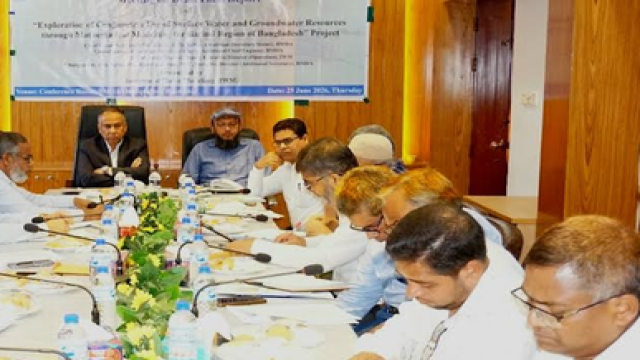
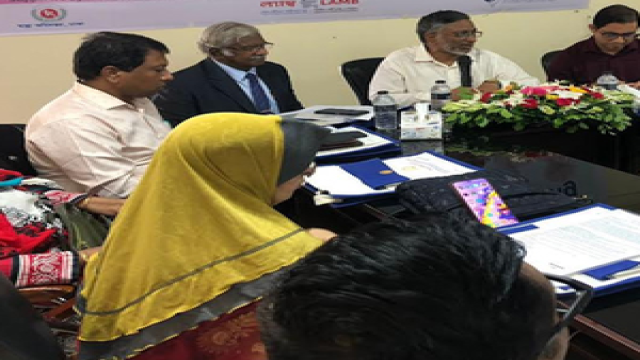
The observations were shared during the launch event for the PROGRESS project, an initiative designed to prevent and rehabilitate obstetric and surgical fistula through gender-responsive reproductive health education. Organized by the non-profit group LAMB at the Divisional Director of Health's conference hall, the session provided a detailed overview of the project's core objectives and field implementation strategies. The meeting featured speech presentations from chief guest Dr. Habibur Rahman, special guest David Chandran, and session chair Dr. SIM Raziul Karim.
During the technical discussion, Professor Shahela Jeshmin of Barind Medical College warned that the upward trend in iatrogenic fistula—which often manifests as a hole developing between the birth canal and the bladder or rectum from surgical trauma—is a serious public health issue. She pointed out a shifting trend in maternal health: while traditional obstetric fistula cases are successfully declining due to more women giving birth in proper medical facilities, surgical cases are conversely shooting up.
Professor Jeshmin explained that this worrying spike in surgical cases is primarily driven by Cesarean sections performed by untrained or poorly skilled doctors. To reverse this trend, she emphasized that the healthcare sector must prioritize upgrading the specialized hands-on skills of obstetric surgeons. Ensuring that doctors are thoroughly trained to perform safe, precise operations is the most direct path to preventing accidental tissue damage in patients.
Adding to the organizational layout, LAMB representatives Mahatab Liton and Tabssum Jahan detailed their group's ongoing health activities, noting that the project aims to train local healthcare providers on fistula prevention and referral protocols. Divisional Director Dr. Habibur Rahman reinforced this by stating that proactive screening and early diagnosis are vital for a patient's physical recovery. He explained that since various public and private organizations are working in this field, finding and logging these hidden patients remains a top priority.
Dr. Rahman concluded by urging stakeholders to focus on spreading information about free treatment and rehabilitation services, especially to families living in isolated, hard-to-reach rural areas. The workshop concluded with a sobering reminder that iatrogenic fistula remains one of the most tragic injuries linked to childbirth procedures. Attendees agreed that a widespread lack of specialized urogynecological training among general surgeons leads directly to a lack of precision, making better surgical education a vital necessity.
end/aj/rh/