


GENEVA, Feb 18, (V7N) - Geneva became a focal point of global diplomacy on Tuesday, with two major negotiations taking place simultaneously: one aimed at resolving Iran's nuclear program and the other attempting to bring an end to Russia's ongoing war in Ukraine.
As diplomatic convoys weaved through the rain-soaked streets of the Swiss city, the media and observers scrambled to track the movements of key delegations. Though Geneva is a well-established hub for high-level international talks, having two such significant events unfold on the same day was a rare occurrence, intensifying the buzz around the city.
Across Lake Geneva, journalists stationed themselves outside the plush residence of the Omani Ambassador in the upscale Cologny district, where US and Iranian diplomats were meeting. The talks are seen as critical to curbing Iran's nuclear ambitions, a longstanding source of international concern.
As the Iranian motorcade left, tensions flared, with demonstrators shouting "terrorists!" and hurling objects in protest against the ongoing negotiations. The demonstrators, many of them Iranian expatriates, voiced outrage over what they claimed were the Iranian authorities' violent crackdowns on protesters back home, including the killing of children and teenagers. Some even called for regime change in Iran, further complicating the already delicate negotiations.
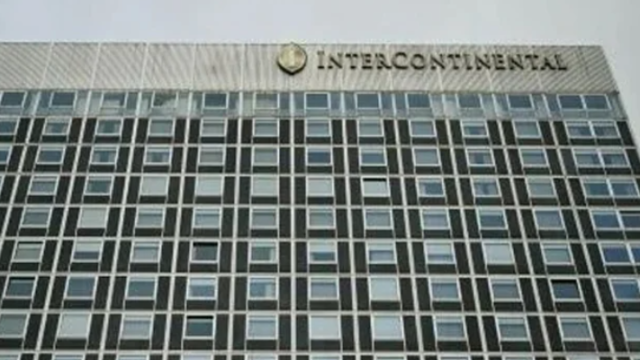
Protesters' cries of "Regime change by the people of Iran" echoed through the streets, reflecting the deep divisions over the legitimacy of the Iranian government. Despite the chaos, the US delegation was spotted leaving the Iran talks, heading straight to the Intercontinental Hotel for the next leg of their diplomatic shuttle, a signal of the close link between these global conversations.
Meanwhile, at the Intercontinental Hotel, where the US, Russian, and Ukrainian delegations were meeting, the atmosphere was tense, with journalists anxiously waiting for updates on the first round of negotiations. Although few details were provided, the proximity of the hotel to the United Nations highlighted the gravity of the discussions. US Secretary of State Marco Rubio was among those in attendance, with the Biden administration keen to push for a peaceful resolution to Russia's nearly four-year-long invasion of Ukraine.
Outside the hotel, the growing number of demonstrators reflected the stakes of the talks. Approximately 200 protesters gathered outside the United Nations to denounce Iran's deadly crackdown on protesters, while another 100 pro-Ukraine activists took to the streets, calling for an end to Russia's invasion. Placards reading "Stop killing Ukrainians!" and "Save Ukraine to preserve peace in Europe" were waved in the air, underscoring the human toll the war has taken.
For many Ukrainians, the hope for peace remains frail, overshadowed by the brutal realities of Russia's military campaign. Marianne, a Ukrainian psychology student, voiced the frustration and weariness of many of her compatriots: "We don't really believe them (the Russians), but we hope there will be changes. We don't want to be too positive so as not to be disappointed."
In contrast, Alexandre Plautard, an international relations student, expressed cautious optimism, viewing the negotiations as a potential turning point. "This is a historic moment. We might finally have a way forward," he said, though he tempered his hope with a realistic view of Russia's intentions: "The Russians ultimately have no interest in peace."
The juxtaposition of these two intense negotiations—the future of Iran's nuclear program and the fate of Ukraine—captured the complexity of the global order, with countries on opposing sides of conflicts now coming together in the hopes of forging new agreements. The media frenzy, the demonstrations, and the visible divisions among diplomats underscored the profound significance of what was unfolding in Geneva.
As both sets of talks moved forward under heavy security and with little information about their progress, the world anxiously awaited the outcome of this rare diplomatic convergence in the heart of Europe.
END/WD/RH



Comment: