


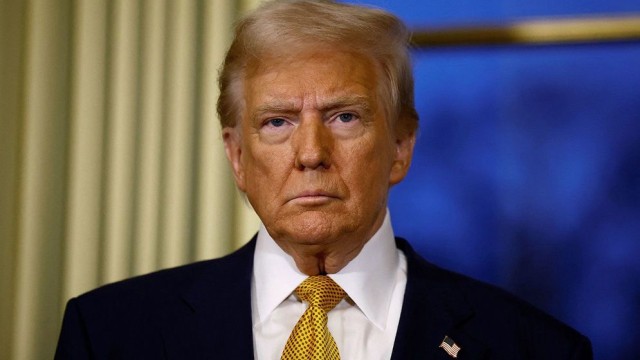
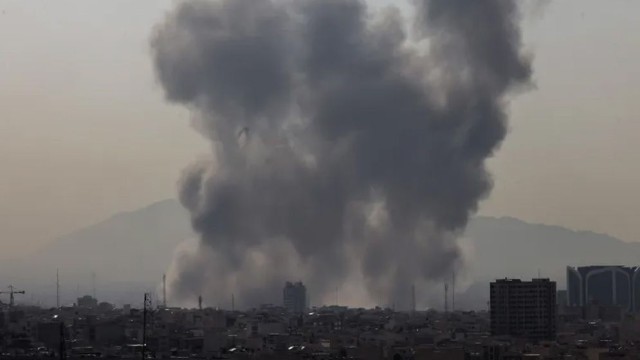
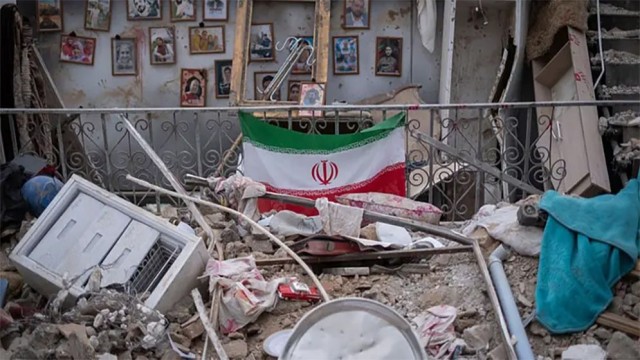
WASHINGTON, United States, March 4, (V7N) - US President Donald Trump announced on Tuesday that the US Navy would be ready to escort oil tankers through the Strait of Hormuz, a critical shipping route near Iran, as part of his response to the escalating conflict with Tehran. This move comes as the Middle East remains embroiled in the aftermath of US-Israeli strikes on Iran, which Trump has justified by claiming Tehran was on the verge of launching an attack first.
The president's comments on the crisis in the Gulf have been notably inconsistent, and he has yet to present a clear endgame for the war. While the strikes have rattled global markets and caused major disruptions to shipping, Trump has attempted to reassure the public by offering solutions to ensure the safety of vital trade routes.
"If necessary, the United States Navy will begin escorting tankers through the Strait of Hormuz, as soon as possible," Trump stated on his Truth Social platform, adding that the US would also provide insurance for commercial shipping. This declaration helped calm US stock markets, although crude oil prices continued to surge, reflecting broader global economic concerns.
Despite mounting questions about his rationale for launching the strikes, Trump denied claims that Israel had pressured the US into action. In a meeting with German Chancellor Friedrich Merz at the Oval Office, he insisted that the US acted because "Iran was going to attack first," a claim that appears at odds with Secretary of State Marco Rubio's comments that the US acted after learning of Israel's plans to strike.
Trump went further, claiming that the US-Israel operation had "knocked out" Iran's military capabilities, including its navy, air force, and radar systems. However, he refrained from outlining any specific plan for Iran's post-conflict leadership, stating, "most of the people we had in mind are dead." Trump's vague stance on regime change raised further concerns, as he acknowledged that a potential replacement for Iran's slain Supreme Leader, Ayatollah Ali Khamenei, could be "just as bad."
One of the primary objectives of the operation, according to Trump, was to stop Iran's nuclear program, which US officials argue had been advancing rapidly. "They basically could have been days or weeks away from a weapon," one senior administration official stated.
Despite these assertions, Trump declared that it was "too late" for Iran to seek negotiations, emphasizing that there had been no back-channel talks with Iranian officials since the strikes. He also confirmed that US negotiators, including his son-in-law Jared Kushner, had not engaged in any secret diplomacy with Iran since the military action.
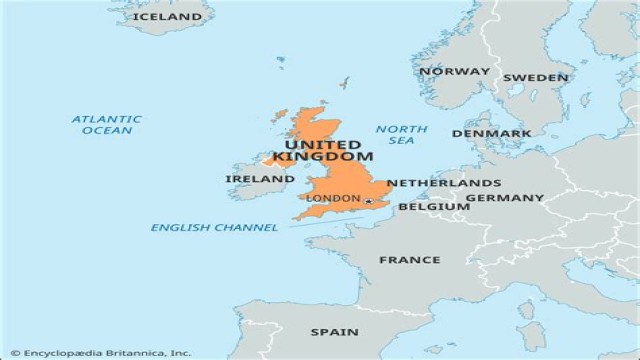
On the international front, German Chancellor Merz expressed support for the US-Israeli action but urged for a swift resolution to the conflict, warning of its adverse effects on the global economy. However, Trump sharply criticized some European allies, particularly British Prime Minister Keir Starmer and Spanish leaders, for their reluctance to support the use of their military bases in the operation. "This is not Winston Churchill that we're dealing with," Trump quipped, referring to Starmer's initial hesitation to allow US forces to launch attacks from UK soil.
The president also threatened to cut off trade with Spain, whose left-wing government had also refused to permit the use of its bases for military operations.
As tensions in the Middle East continue to rise, the global community remains deeply concerned about the long-term consequences of the US-Israeli offensive on Iran, both in terms of regional stability and the broader impact on the world economy.
END/WD/RH/











Comment: