


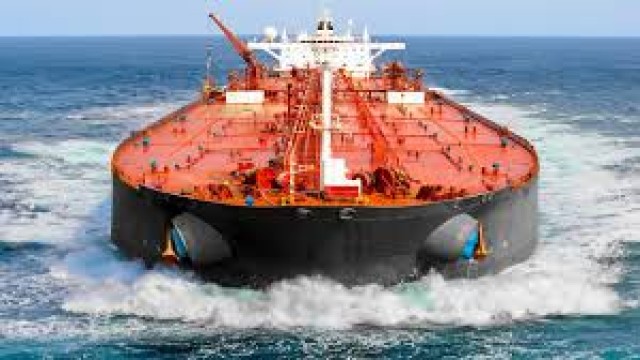
HAVANA, March 31, (V7N) — A Russian oil tanker docked in Cuba on Tuesday, delivering the island’s first crude shipment since January after Washington granted a reprieve from its fuel blockade.
The Anatoly Kolodkin, a tanker under US sanctions, arrived at Matanzas port east of Havana with 730,000 barrels of crude following a three‑week voyage from Russia. The delivery comes amid severe fuel shortages that have triggered blackoutsHAVANA, March 31, 2026 (Agencies) — A Russian oil tanker docked in Cuba on Tuesday, delivering the island’s first crude shipment since January after Washington granted a reprieve from its fuel blockade.
The Anatoly Kolodkin, itself under US sanctions, arrived at Matanzas port east of Havana carrying 730,000 barrels of crude following a three‑week voyage from Russia. The shipment provides temporary relief to Cuba, which has endured blackouts, fuel rationing, and transport shortages.
Local residents welcomed the delivery. “It’s great that the country is receiving oil because we need it for the crisis we are facing,” said Yoanna Rivero, a pharmacy worker. Security guard Felipe Serrano added, “This is crucial for us to survive because the country is paralyzed.”
Analysts cautioned the shipment offers only short‑term respite. Ricardo Torres, a Cuban economist at American University, said Cuba’s energy problems are “structural rather than episodic.” Jorge Piñon, an energy expert at the University of Texas, noted that refining the oil into diesel would take a month and cover demand for only about two weeks.
Cuban Energy Minister Vicente de la O Levy thanked Russia for the support, calling the shipment “valuable” amid a complex energy situation. The Russian embassy in Havana replied it was “a duty to help our Cuban brothers.”
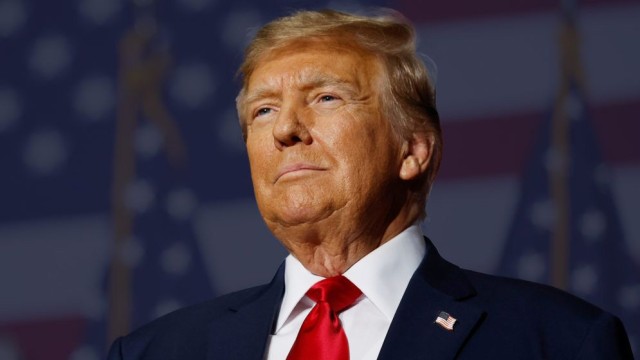
US President Donald Trump said he did not object to Russia or others sending oil, stressing Cubans “have to survive.” The White House insisted sanctions remain intact, describing the decision as a case‑by‑case humanitarian allowance. The Kremlin confirmed the shipment had been discussed with Washington in advance.
Cuba lost its main oil supplier in January after the ouster of Venezuelan leader Nicolás Maduro, leaving the island cut off from regional crude flows. Analysts say Washington’s strategy is to pressure Havana into concessions without triggering full‑scale collapse.
With seven nationwide blackouts since 2024, soaring fuel prices, and shortages of food and medicine, public frustration has grown. Experts warn that while Russian shipments may ease immediate hardship, they do not resolve Cuba’s deeper energy crisis or economic stagnation.
END/WD/RH/
















Comment: