
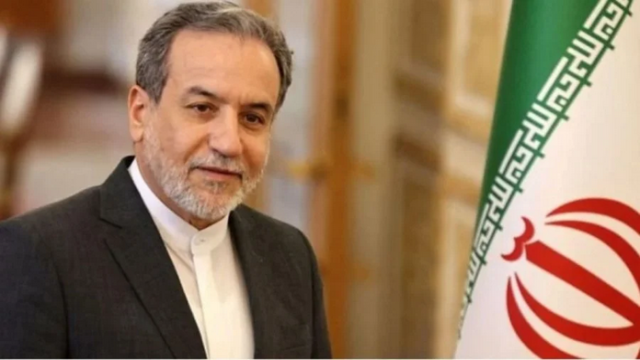
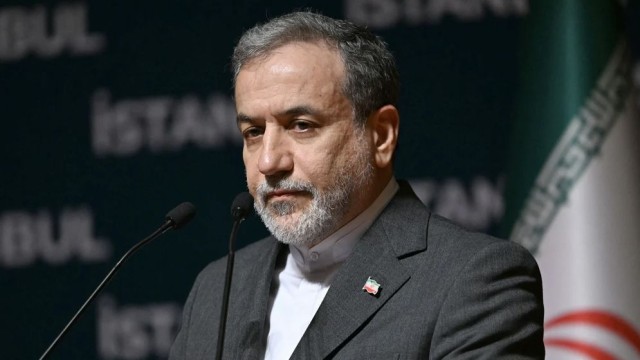
May 06 (V7N) - The diplomatic stage in Beijing has intensified as Iranian Foreign Minister Abbas Araghchi arrived for high-level talks with his Chinese counterpart, Wang Yi. This meeting occurs at a critical juncture, as China continues to serve as Iran's primary economic lifeline, consistently purchasing oil in defiance of heavy U.S. sanctions aimed at crippling Tehran's revenue streams.
According to Iranian state media, Araghchi’s agenda covers a broad spectrum, including the strengthening of bilateral ties and a review of volatile regional developments. While specific details of the discussion remain private, the timing is particularly significant given the current geopolitical friction involving the United States and Israel.
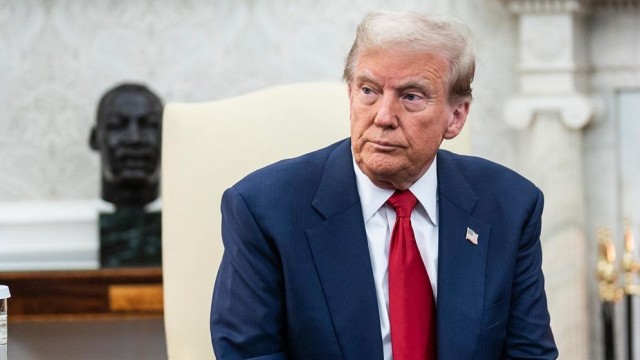
The visit serves as a strategic prelude to U.S. President Donald Trump’s upcoming trip to China on May 14-15. Trump had notably delayed his meeting with President Xi Jinping following the recent military strikes carried out by the U.S. and Israel against Iranian targets, making Araghchi’s presence in Beijing a clear effort to solidify alliances before Sino-American negotiations begin.
In Washington, the Biden administration—represented by Secretary of State Marco Rubio—has taken a firm stance on the meeting. Rubio publicly urged Chinese officials to use their influence to pressure Tehran into reopening the Strait of Hormuz, a vital maritime artery that previously handled 20% of the world’s oil supply but is currently under a "chokehold" by Iranian forces.
Rubio’s comments highlight the growing international concern over global energy security and maritime trade. He expressed hope that Beijing would warn Araghchi that Iran’s current naval tactics are leading the nation toward total global isolation, framing the Strait of Hormuz situation as a primary obstacle to regional peace.
The talks underscore China's complex role as both a global superpower and a mediator. As a key customer of Iranian energy and a primary trade partner for the U.S., China finds itself positioned between a defiant Tehran and a Washington administration that is increasingly aggressive in its efforts to contain Iranian influence.
As the international community awaits the outcome of these discussions, the focus remains on whether Beijing will act as a stabilizing force or continue to bolster Tehran’s resistance. The results of this meeting will likely set the tone for President Trump’s arrival next week and determine the next phase of the ongoing crisis in the Middle East.
END/WD/RH/







Comment: