
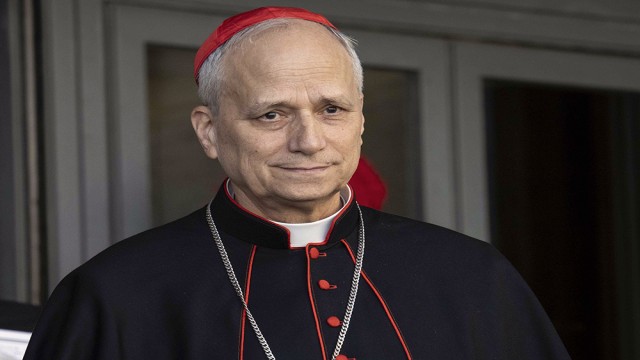
May 06 (V7N) - Robert Francis Prevost made history on May 8, 2025, by becoming the first American to ascend to the papacy, choosing the name Leo XIV. As he marks his first year leading the world’s 1.4 billion Catholics, his tenure has been characterized by a distinct shift in tone and a return to several formal traditions. Unlike his predecessor, Pope Francis, the 70-year-old American favors an understated and consultative approach, rarely deviating from prepared remarks.
In a clear departure from the previous administration, Leo XIV has re-embraced the grandeur of the office by moving back into the Apostolic Palace and utilizing the summer residence at Castel Gandolfo. He has also restored traditional liturgical garments, such as the red mozzetta, which had fallen out of use. This shift toward formality signals a preference for institutional continuity and a more reserved, reflective style of leadership.
The Pope’s social agenda has focused heavily on the moral implications of the modern technological revolution, particularly the rise of artificial intelligence. Drawing parallels to his 19th-century namesake, he has warned that AI could become a tool for oppressive social control. Furthermore, he has highlighted the environmental damage caused by mining the rare earth metals required for these technologies, linking modern innovation to ecological destruction.
Central to his mission is the fight against global poverty, as detailed in his first major publication, Dilexi Te. During a recent tour of Africa, the Pontiff was vocal in his criticism of systemic corruption and the exploitation of natural resources by autocratic leaders. His background as a missionary in Peru continues to influence his work, keeping the struggles of the marginalized and the plight of international migrants at the forefront of his papacy.
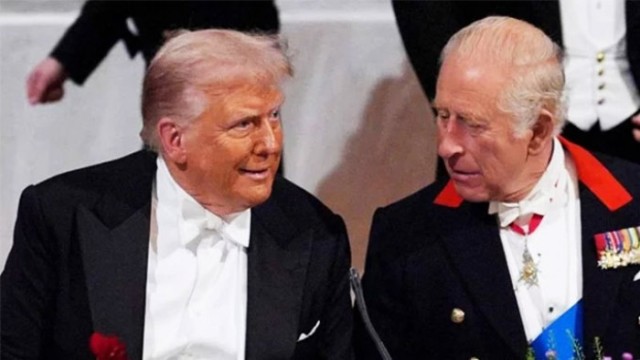
The first year of Leo XIV’s reign has been significantly marked by a public and escalating confrontation with U.S. President Donald Trump. While the Pope initially remained silent, he eventually voiced strong opposition to the administration's immigration crackdowns. The tension peaked following Leo’s condemnation of Trump’s military threats against Iran, which he labeled "truly unacceptable," leading to a sharp exchange of words between the Vatican and the White House.
Domestically, the Pope has sought to heal deep-seated divisions within the Catholic Church by appealing to both progressive and traditionalist factions. By allowing the return of the Latin Mass to St. Peter’s Basilica, he offered a significant olive branch to conservatives. Simultaneously, he has moved away from unilateral decision-making by convening global councils of cardinals to ensure that a broader range of voices influences the Church's future direction.
Despite his efforts toward unity, Leo XIV has faced internal challenges to his authority, notably from traditionalist groups like the Priestly Fraternity of Saint Pius X. These factions have threatened to operate outside Vatican approval, testing the Pope’s diplomatic skills. His motto, "In Illo uno unum" (One in Christ), serves as a constant reminder of his primary goal to keep the diverse global flock together during a period of intense polarization.
Beyond the weight of his religious duties, Leo XIV maintains a remarkably relatable personal life that reflects his American roots. A proud Chicago native and loyal White Sox fan, he is often seen wearing a smartwatch and is known to be an avid player of the online game Wordle. These ordinary interests, combined with his love for tennis and swimming, provide a humanizing contrast to the immense gravity and tradition of the papal office.
END/WD/RH/








Comment: