Tehran, Jun 06 (V7N) – Tensions in the Gulf region escalated sharply after Iran and the United States exchanged competing claims over a series of military actions involving missile launches, drone interceptions and strikes on strategic facilities.
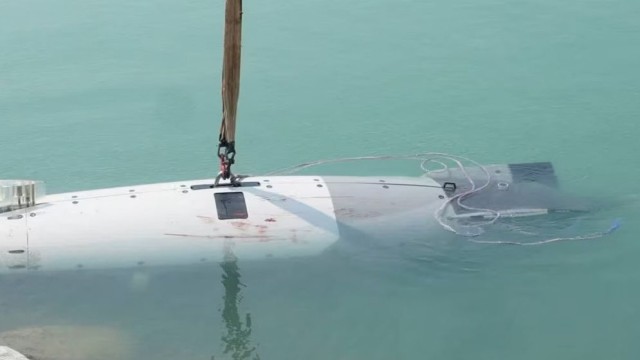
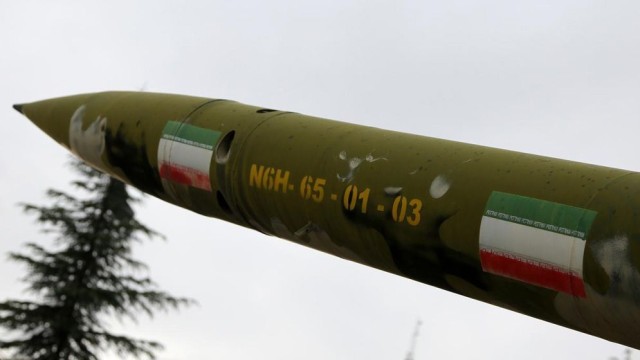
According to the United States Central Command (CENTCOM), Iran launched seven ballistic missiles toward Kuwait and Bahrain shortly after US forces intercepted Iranian drones over the Strait of Hormuz and carried out strikes on Iranian radar installations.
In a statement posted on social media platform X on Saturday, CENTCOM claimed that six of the seven missiles were successfully intercepted, while the remaining missile failed to reach its intended target. The command also said no US military personnel were injured in the incident.
CENTCOM further rejected Iranian claims that missile strikes had damaged the headquarters of the US Navy's Fifth Fleet in Bahrain, describing those reports as false.
Earlier, US forces announced that they had shot down several Iranian attack drones allegedly launched toward the Strait of Hormuz and had targeted radar facilities inside Iran. The US military said the subsequent missile launches toward Kuwait and Bahrain were carried out in response to those operations.
Meanwhile, Iran's semi-official Tasnim News Agency reported that US strikes targeted telecommunications towers and infrastructure in the Qeshm Island and Goruq areas of southern Iran.
The Islamic Revolutionary Guard Corps claimed responsibility for retaliatory attacks, stating that its Aerospace Force launched ballistic missiles at the Ali Al Salem Air Base and facilities associated with the US Navy's Fifth Fleet in Bahrain.
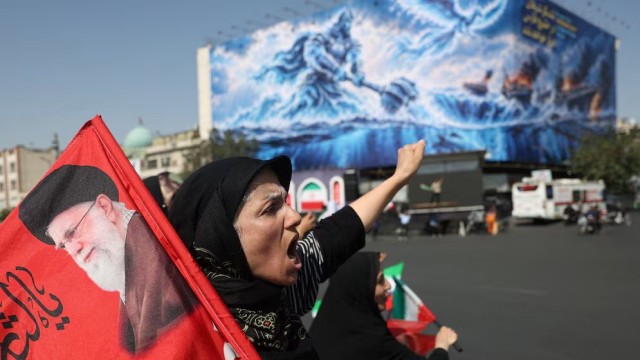
Iranian military officials described the strikes as a response to what they called American aggression and warned that any further military action could trigger stronger countermeasures.
The IRGC also issued a warning regarding the strategically vital Strait of Hormuz, suggesting that future escalation could include measures affecting maritime traffic through one of the world's most important energy shipping routes.
The latest developments highlight the growing risk of a broader regional confrontation as both Washington and Tehran continue to exchange accusations and military threats. Independent verification of the claims made by either side was not immediately available.
END/SMA/AJ