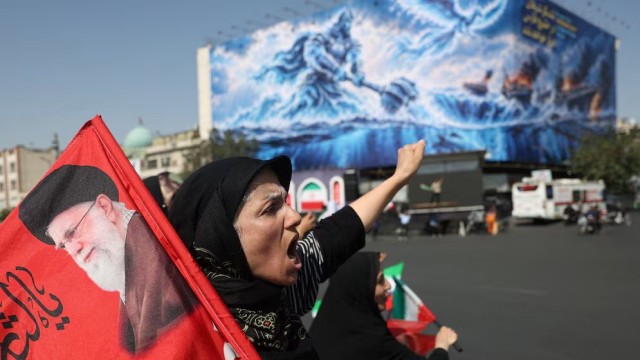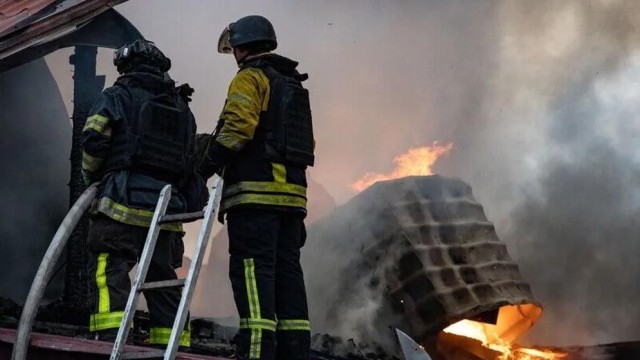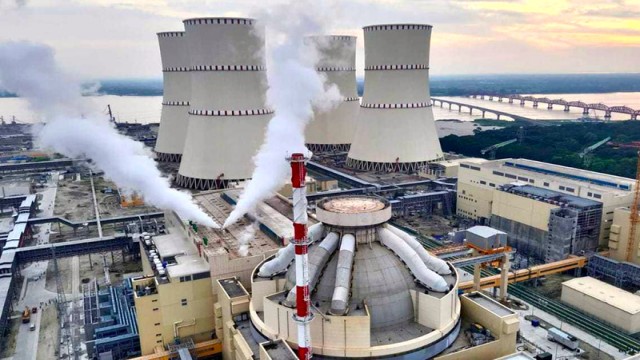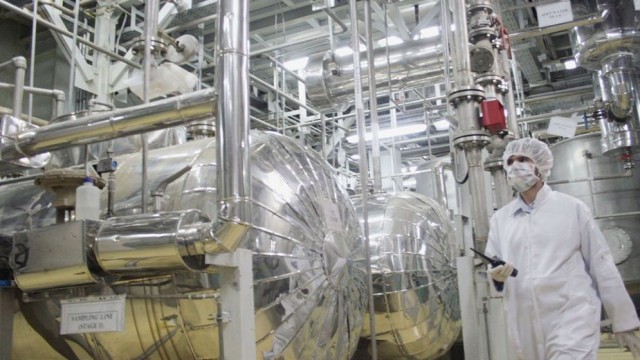
Tehran, Jun 24 (V7N)- Iran has denied reports that it has agreed to allow international inspectors access to its damaged nuclear facilities, highlighting a growing discrepancy between statements from Tehran and Washington regarding the future of nuclear inspections.
Iranian Foreign Ministry spokesman Esmail Baghai stated that there had been no discussions with Rafael Grossi, the head of the International Atomic Energy Agency, and made it clear that inspectors would not be permitted to examine the country's damaged nuclear facilities.
Baghai's comments directly contradict remarks made by U.S. Vice President J. D. Vance, who told reporters in Switzerland on Tuesday (June 23) that Iran's willingness to invite United Nations nuclear inspectors represented a major diplomatic breakthrough and an important step toward ending concerns surrounding Iran's nuclear activities.
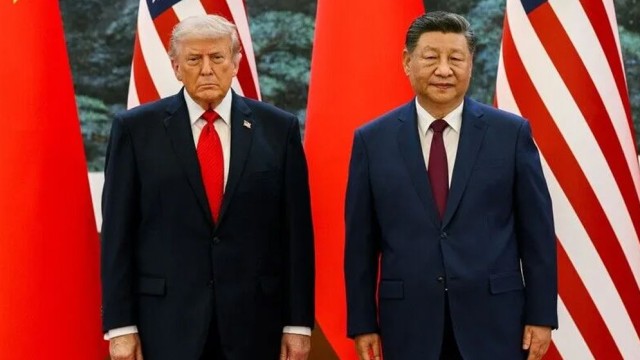
Shortly afterward, U.S. President Donald Trump also claimed that Iran had agreed to open its nuclear facilities to international inspection. However, he did not provide a specific timeline for when inspections would begin, stating that there was "no rush" to carry out the process.
Speaking to reporters in Pennsylvania, Trump reiterated that inspectors from the International Atomic Energy Agency would eventually examine Iran's enriched uranium facilities. He dismissed Tehran's public denial, saying that U.S. officials had received private assurances regarding future inspections.
"They are wrong. They know they are wrong," Trump said, adding that the United States had "100 percent assurance" that inspections would take place.
When asked about the timeline for such inspections, the U.S. president responded that they would occur "at the appropriate time."
The conflicting statements underscore the continuing tensions between Washington and Tehran over Iran's nuclear program. While U.S. officials have projected optimism regarding inspection arrangements and diplomatic progress, Iranian authorities have publicly denied that any agreement on inspections currently exists.
As negotiations continue, the international community is closely watching whether both sides can bridge their differences and reach a mutually acceptable framework regarding IAEA access and the broader nuclear dispute.
END/SMA/AJ