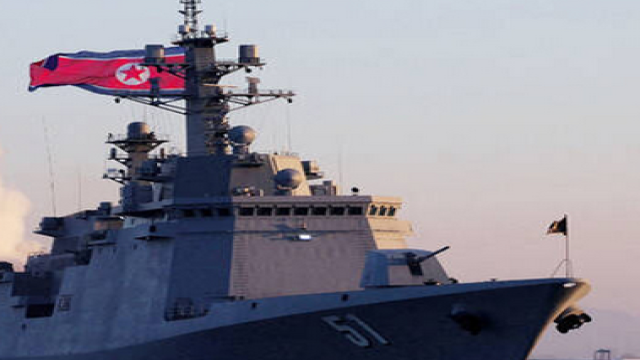
SEOUL, JULY 05 (V7N): North Korean leader Kim Jong Un personally supervised a comprehensive suite of live-fire weapons tests aboard the newly repaired 5,000-ton destroyer Kang Kon, state media reported Sunday. The high-profile naval drills included tactical cruise missile launches and advanced electronic warfare simulations designed to disrupt enemy tracking systems.
The deployment marks a highly symbolic recovery for the Kang Kon. In May 2023, the warship became a source of severe embarrassment for Pyongyang when it partially capsized and sustained major hull damage after tipping over directly into the water during its initial launch ceremony—an incident witnessed firsthand by Kim, who furiously blamed the disaster on "absolute carelessness" and "irresponsibility."
According to the state-run Korean Central News Agency (KCNA), the weapons trials occurred on Friday, less than two weeks after a separate 5,000-ton sister ship, the Choe Hyon, officially entered active military service.
Following the successful missile intercepts on Friday, Kim instructed defense officials to complete the remaining sea trials thoroughly and commission the Kang Kon into the primary fleet within two months. Official photographs released by state media showed Kim, sporting a yellow hat, monitoring the maritime exercises from a coastal observation outpost alongside top military brass.
The rapid rollout of these two warships highlights Pyongyang's frantic push to narrow the massive qualitative and quantitative gap with its southern neighbor. The South Korean Navy currently operates more than ten advanced destroyers exceeding 5,000 tons, equipped with Aegis combat systems, compared to North Korea's fledgling pair.| Fleet Comparison (Destroyers > 5,000 Tons) | Active Vessels | Primary Capabilities |
| South Korea (ROK Navy) | 10+ Ships | Aegis Combat Systems, Integrated Air Defense |
| North Korea (KPN) | 2 Ships | Cruise Missiles, Nascent Electronic Warfare |
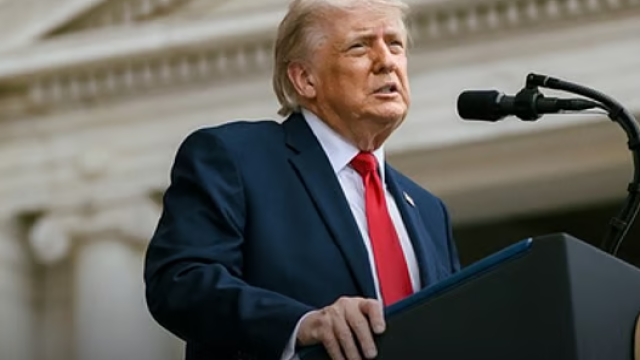
Pyongyang has aggressively scaled up its military posturing since the total collapse of the 2019 Hanoi denuclearization summit between Kim and U.S. President Donald Trump. Because the 1950-53 Korean War concluded with a temporary armistice rather than a formal peace treaty, the two nations remain technically at war.
Reiterating the immediate necessity of expanding the North's "war deterrent," Kim affirmed that his military would continue to demonstrate its absolute political will and strategic power through increasingly overt, high-stakes actions in the peninsula's contested waters.
END/WD/RH/