


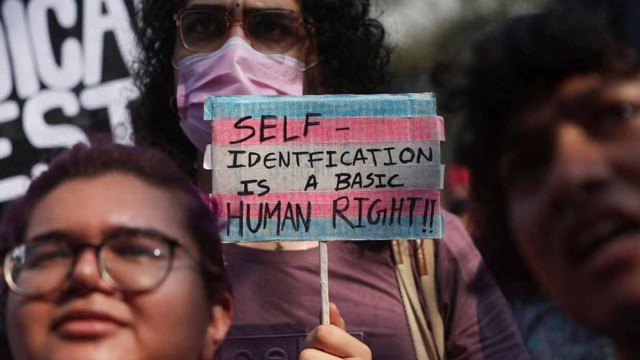
NEW DELHI, Mar 26 (V7N) – In a swift legislative move that has ignited nationwide debate, both houses of the Indian Parliament have passed the Transgender Persons (Protection of Rights) Amendment Bill, 2026. The legislation was cleared by the Lok Sabha on Tuesday (March 24) following a brief two-and-a-half-hour discussion and a subsequent walkout by major opposition parties. The Rajya Sabha provided its final approval yesterday, Wednesday (March 25), despite strong demands from the opposition to refer the bill to a select committee for deeper scrutiny. Union Minister for Social Justice and Empowerment Virendra Kumar defended the bill, asserting that it aims to bring "administrative clarity" and provide specific legal protections to those who face severe social exclusion due to biological conditions.
The passage of the bill has been met with immediate resistance from a Supreme Court-appointed Advisory Committee, led by former Delhi High Court Justice Asha Menon. On the very day the bill cleared Parliament, the committee issued a formal resolution requesting its withdrawal, labeling the amendments as a "tremendous setback" for the community. The panel argued that by removing the right to self-perceived gender identity, the bill directly violates the landmark 2014 NALSA verdict, which established that individuals have the sole right to determine their own gender. Critics and legal experts fear that the new requirement—which mandates a medical board's recommendation before a District Magistrate can issue an identity certificate—re-medicalizes transgender identity and creates significant bureaucratic hurdles.
Beyond the legal challenges, the bill has sparked a wave of anger and protests across India. Transgender rights organizations and human rights activists argue that the narrow definition of "transgender"—now largely restricted to specific socio-cultural groups like Hijra and Kinner or those with intersex variations—effectively disenfranchises thousands of individuals who identify as transgender but do not fit these categories. Opponents also raised alarms over a new provision requiring medical institutions to report gender-affirming surgeries to the government, calling it a "drastic violation of privacy." As the bill now heads to the President for final assent, several advocacy groups have already signaled their intent to challenge the constitutionality of the law in the Supreme Court.
END/SMA/AJ






















Comment: