



Rangamati, Dec 2 (V7N) — Twenty-eight years have passed since the signing of the Chittagong Hill Tracts (CHT) Peace Accord on December 2, 1997, a landmark agreement intended to end armed conflict and restore lasting peace in the three hill districts. Yet, despite expectations of stability, the region remains troubled by factional violence, extortion, abductions, targeted killings, and frequent clashes among rival regional armed groups.
According to multiple government sources, at least 1,426 people have been killed in armed attacks in the CHT over the past 28 years, while 2,497 individuals have been abducted during the same period. Security forces have also suffered casualties, including 171 members of the Bangladesh Army, 110 of the Border Guard Bangladesh (BGB), 380 police personnel, and 16 Ansar members.
The CHT Peace Accord was signed in Dhaka between the Government of Bangladesh—represented by then Chief Whip Abul Hasanat Abdullah—and the Parbatya Chattogram Jana Sanghati Samiti (PCJSS), led by its chairman Jyotirindra Bodhipriya Larma, widely known as Santu Larma. Two months later, members of the Shanti Bahini surrendered their weapons at Khagrachhari Stadium, raising hopes for a new era of peace.
However, nearly three decades later, tensions persist over incomplete implementation of the agreement. Communities in the region—both hill and Bengali settlers—remain divided on the interpretation and execution of the accord. Local stakeholders argue that a comprehensive review involving all ethnic communities is essential for meaningful and sustainable progress.
In the years following the accord, six armed groups have emerged in the CHT: JSS (Santu Larma), JSS Reformist (MN Larma), UPDF (Proshid), UPDF (Democratic), the Mro Liberation Party (MLP), and the Kuki-Chin National Front (KNF). Their rivalry over territorial dominance, extortion operations, and armed training has intensified insecurity across the hill districts. Ongoing clashes often disrupt daily life, damage property, and hinder development activities.
Local residents say that illegal weapons, factional conflict, and criminal activities remain the biggest obstacles to lasting peace. They are calling on the government to take firmer and more coordinated steps to recover illegal arms and bring all sides back to the negotiation table.
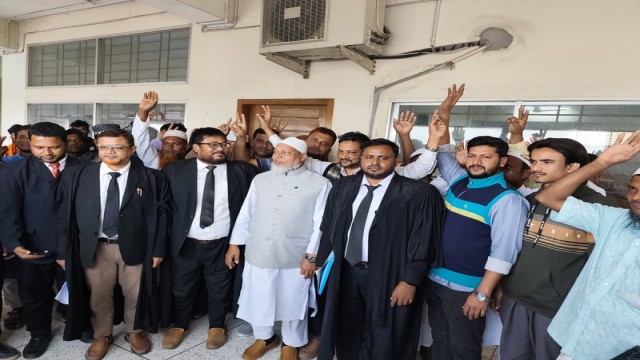
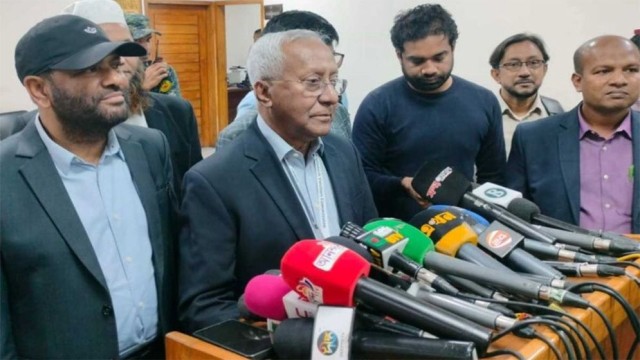
Meanwhile, leaders of the Parbatya Chattogram Nagorik Parishad held a press conference demanding the cancellation of the peace accord, claiming the agreement does not reflect the interests of all communities and accusing the previous regime of signing a flawed deal. The organization’s chairman, Kazi Mujib, reiterated the demand for scrapping the accord entirely.
Rangamati Hill District Council member Habib Azam emphasized the need for a comprehensive reassessment of the accord through dialogue involving hill communities, Bengalis, and minority groups, ensuring that no one faces discrimination.
Leaders of the PCJSS also expressed disappointment over the lack of progress. PCJSS vice president and former MP Ushatan Talukder stated that although five political governments and two caretaker administrations have come to power since 1997, none demonstrated the political commitment needed to fully implement the accord. He urged the current interim government and future elected governments to move forward with sincerity and an open mind.
Despite the hopes that arose with the signing of the accord in 1997, lasting peace in the hills remains a distant goal. As the agreement marks its 28th anniversary, communities across the CHT continue to wait for meaningful steps toward stability, justice, and full implementation of the promises made nearly three decades ago.
END/AMR/SMA/














Comment: