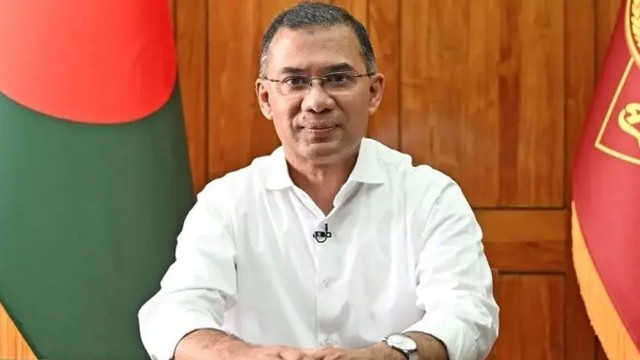
DHAKA, Apr 02 (V7N) — Health and Family Welfare Minister Sardar Sakhawat Hossain Bakul has described the recent surge in measles cases across Bangladesh as a "thunderbolt" that caught the nation’s health system unprepared. Speaking during a visit to the Sher-e-Bangla Nagar Children's Hospital in the capital on Thursday morning, the Minister expressed his deep condolences over the increasing number of child fatalities.
In response to the escalating crisis, the Minister announced that a special nationwide vaccination program will commence this Sunday, April 5. The drive will utilize vaccines recently secured from UNICEF and will target children aged between 6 months and 10 years.
Emergency Measures and Logistics
To ensure the success of the emergency campaign, the government has taken several critical steps:
-
Holiday Cancellations: All scheduled leave for health workers across the country has been canceled to facilitate the mass immunization effort.
-
Vaccine Procurement: While the Sunday drive begins with available stocks, the Minister noted that a larger procurement process is underway, which is expected to take approximately one month to fully replenish national reserves.
-
Labor Relations: Minister Bakul also pledged to resolve outstanding salary demands for porters, health assistants, and assistant health workers as a priority to maintain frontline morale.
Situation in the Capital
The urgency of the situation was underscored by fresh data from the Infectious Diseases Hospital in Mohakhali. In the last 24 hours:
-
Admissions: 10 new patients were admitted, five of whom were confirmed to have measles.
-
Casualties: One death due to measles was recorded at the facility during this period.
-
Staffing Shortages: The hospital’s superintendent has issued an urgent appeal for additional doctors and nurses to handle the influx of infected patients.
Current Outbreak Context
The decision to vaccinate children as young as six months marks a significant shift in policy, as the standard first dose is typically administered at nine months. This change follows reports from Rajshahi Medical College Hospital (RMCH) and other regional centers where a majority of infected infants were found to be under the traditional vaccination age.
Parents are urged to bring their children to the nearest health centers starting Sunday. Health officials emphasize that the vaccine remains the most effective defense against the highly contagious virus, which has already claimed dozens of lives across the country since the start of the year.
END/SMA/AJ