

Dhaka, Apr 08 (V7N) – Legal experts have expressed concern over the government’s decision to repeal the Supreme Court Secretariat Ordinance, emphasizing that judicial independence and the ongoing reform process could be affected.
The ordinance, initially issued by the interim government, aimed to strengthen the independence of the judiciary by creating a separate secretariat and streamlining the appointment process for judges. Following the current BNP-led government’s vote, the ordinance was canceled, citing flaws. Lawyers and legal analysts are divided on the implications, with some fearing it may hinder judicial autonomy.
Former Constitutional Reform Commission member Barrister Imran A Siddiqui described the repeal as “very sad,” noting that the secretariat already had the necessary manpower and infrastructure. He questioned whether promised improvements will materialize, suggesting the original framework could have been maintained.
Bangladesh Law Association General Secretary Md. Mahbubur Rahman Khan argued that the Supreme Court Judge Appointment Ordinance conflicted with the Constitution due to additional age requirements and raised concerns about how judicial appointments were being made. He emphasized that the mindset behind appointments is critical to maintaining independence.
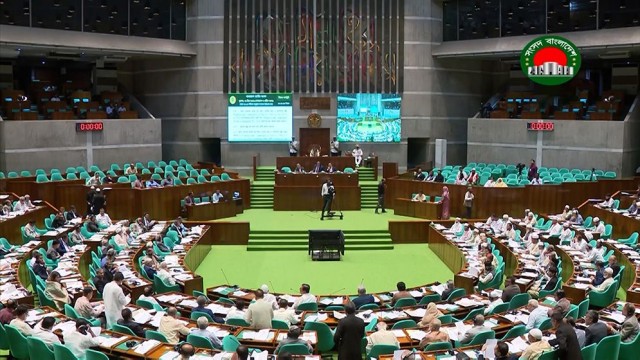
The interim government had issued 133 ordinances, including those establishing the Local Government Control and Disappearance Commission and the Human Rights Commission. The current government reviewed these ordinances, recommending the passage of 98 while objecting to 20, including four proposed for repeal. A repeal bill has already been introduced in Parliament.
Lawyers caution that repealing and amending key ordinances could slow the judicial and governance reform process. Barrister Siddiqui stressed the importance of independent oversight for bodies like the Human Rights Commission and warned against bringing them under ministerial control.
Both legal experts agree that reforms must go beyond legislation; proper implementation and the cooperation of lawmakers are crucial to ensure the objectives of the July Charter and other reform measures are realized.
END/SMA/AJ



















Comment: