Dhaka, Apr 11 (V7N) – The ongoing conflict and instability in the Middle East are impacting Bangladesh’s spice market, pushing prices of imported items significantly higher despite no immediate shortage in supply.
Market insiders say that while imports continue, the opening of Letters of Credit (LCs) has declined, leading to higher procurement costs. Wholesalers maintain that supply remains stable, but increased import prices are being passed down the supply chain, ultimately affecting consumers.
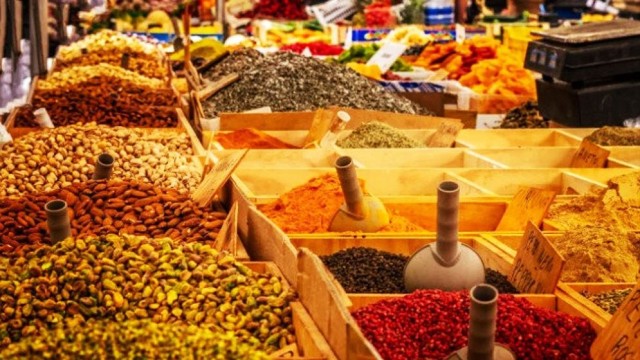
Spices, an essential part of Bengali cuisine—from dishes like Kacchi Biryani to traditional meat preparations—have seen sharp price hikes. Key items such as cumin and cardamom have become notably more expensive, while luxury ingredients like pistachios and dried fruits have surged dramatically.
-
Potato bokhra (dried fruit): Increased from Tk 450 to Tk 1,450 per kg
-
Pistachio nuts: Around Tk 4,200 per kg
-
Cumin: Selling between Tk 570–850 per kg
Wholesalers say they are purchasing at higher prices from importers, while retailers confirm that the rising wholesale rates are directly impacting consumers at the retail level.
Bangladesh relies heavily on imports to meet its spice demand, importing nearly 700,000 metric tons annually. However, the current conflict has disrupted supply chains, reduced LC openings by around 10 percent compared to last year, and increased global transportation costs.
Data also shows that spice imports declined by about 15 percent between January and March this year compared to the same period last year.
The combined impact of reduced imports and higher logistics costs is expected to keep spice prices elevated in the coming months, putting additional pressure on household budgets.
END/SMA/AJ