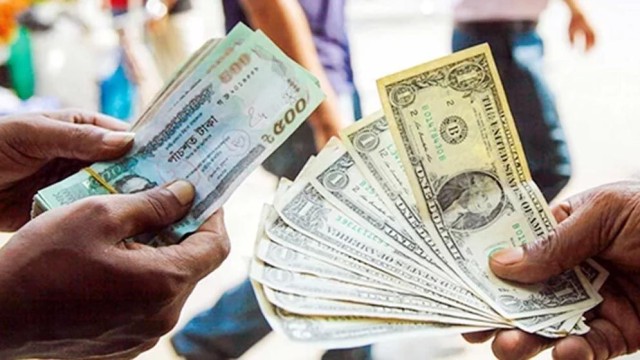
Dhaka, Apr 16 (V7N) — The new government led by Tarique Rahman is preparing an ambitious national budget for the 2026–27 fiscal year, aiming to curb corruption, restore economic confidence, and accelerate growth despite ongoing financial challenges.
Officials indicate that the upcoming budget could reach approximately Tk 9 lakh crore, marking a 14 percent increase from the previous fiscal year. Of this, the government is targeting Tk 6.5 lakh crore in revenue collection, while allocating nearly Tk 3 lakh crore for development projects. Around 67 percent of the total budget is expected to be spent on operational expenditures.
Speaking on the government’s economic roadmap, Finance and Planning Advisor Dr. Rashed Al Mahmud Titumir said efforts are underway to transform Bangladesh into a trillion-dollar economy by 2034. He emphasized that maintaining economic momentum and strengthening social safety nets remain top priorities to prevent a rise in poverty.
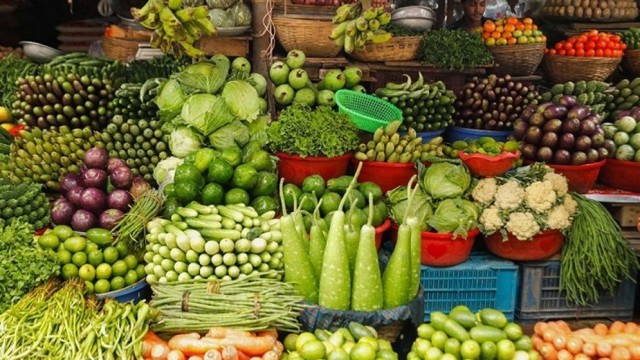
The government, which assumed office in February, has had only three months to prepare the budget amid multiple economic pressures. Revenue collection has lagged behind targets, while rising fuel costs and electricity subsidies—exacerbated by tensions in the Middle East—have added to fiscal strain. Inflation and high commodity prices continue to burden consumers.
To address these challenges, the government is planning major reforms in tax administration. These include reducing tax exemptions, introducing a potential wealth tax, and bringing more sectors—such as SMEs—under VAT. Authorities also aim to ensure that all citizens are integrated into the banking system, making bank accounts mandatory for various transactions.
A key initiative under consideration is the introduction of a unified digital system, including “One Citizen, One Card” and “One Digital Outlet,” which would enable financial transactions through QR codes. Officials believe this will significantly reduce tax evasion and enhance transparency.
The budget will also prioritize election commitments, including expanded social welfare programs such as farmer cards, family cards, and health cards. However, implementing these initiatives may require an additional Tk 1 lakh crore, raising concerns over funding sources.
Economists have cautioned about potential risks. Dr. Khandaker Golam Moazzem of the Centre for Policy Dialogue warned that increased government borrowing could limit private sector access to credit, potentially slowing investment and job creation.
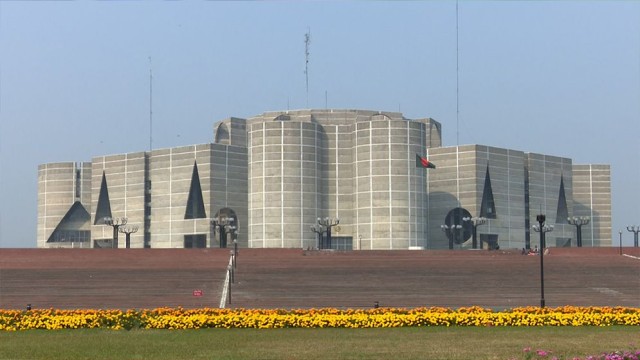
The budget is expected to be presented in Parliament on June 11. Analysts say the government faces a critical test in balancing its reform agenda with economic realities, as it seeks to deliver on promises while stabilizing the country’s financial outlook.
END/SMA/AJ