DHAKA, May 24, (V7N): Bangladesh has sought continued cooperation and technical assistance from the International Committee of the Red Cross (ICRC) to manage the protracted Rohingya refugee crisis, alongside strengthening humanitarian frameworks within the nation's prison systems and law enforcement agencies.
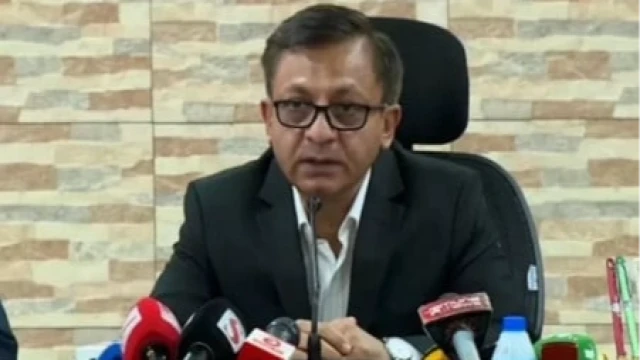
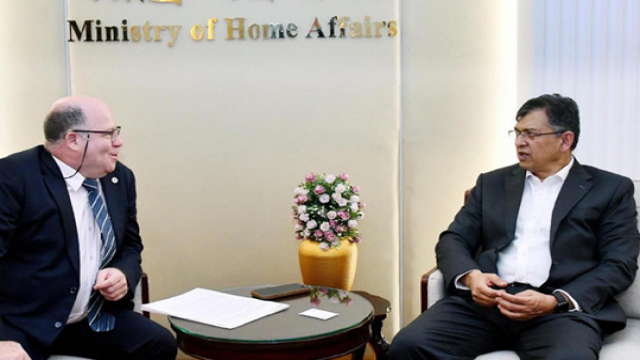
The request was formally conveyed during a courtesy call paid by the Head of Delegation of the ICRC in Bangladesh, Nicolas Fleury, on Home Minister Salahuddin Ahmed at the Bangladesh Secretariat this afternoon.
During the high-level meeting, the two officials engaged in deep discussions regarding a wide matrix of mutual institutional interests. These primary areas included upgrading healthcare services for prison inmates, modernizing the country's centuries-old Jail Code, introducing international-standard capacity building for police and corrections officers, and reviewing the current funding and humanitarian situation across the Rohingya camps.
The Home Minister expressed deep national appreciation to the ICRC for its unwavering healthcare and relief deployments for the forcibly displaced Rohingya population. He emphasized that Bangladesh remains fully committed to keeping the massive refugee crisis at the center of the global community's focus and urged the international organization to sustain its specialized programs amid declining global funding lines.
In response, ICRC Delegation Chief Nicolas Fleury reaffirmed the organization’s robust commitment to expanding its humanitarian operations in Bangladesh. He informed the minister that the ICRC has already submitted a comprehensive set of structural recommendations designed to modernize the existing Jail Code. Additionally, the Red Cross has dispatched specialized policy proposals directly to the Ministry of Health to optimize medical delivery tracks inside penal facilities.
Minister Ahmed noted that while primary healthcare needs are handled by internal prison medical units, the government consistently transfers inmates requiring advanced clinical interventions to specialized state hospitals.
The meeting also placed significant emphasis on elevating tactical professionalism and human rights compliance across law enforcement agencies. Fleury expressed the ICRC’s readiness to design and conduct foundational first aid and human rights training modules for field-level police personnel, alongside advanced leadership courses for senior police and prison administrators.
Welcoming the educational partnership, the Home Minister assured complete administrative support and formally requested the ICRC to fly in expert international trainers to lead the capacity-building exercises. He reiterated that Bangladesh stands firmly anchored in its commitment to International Humanitarian Law (IHL) and the Geneva Conventions, promising seamless policy facilitation for all ongoing and future ICRC humanitarian missions.
The bilateral session was also attended by senior internal security officials, including Additional Secretary of the Ministry of Home Affairs Dr. Ziauddin Ahmed, Joint Secretary Rebeka Khan, and Deputy Secretary Begum Minara Nazmeen.