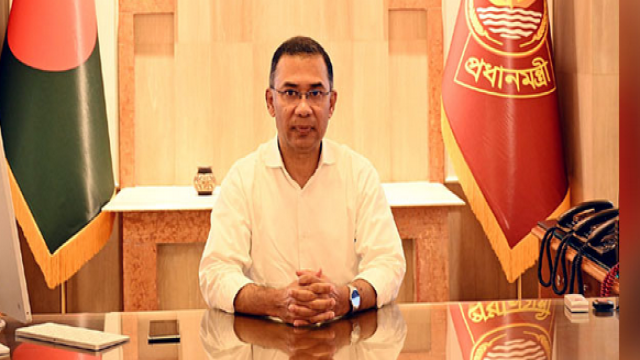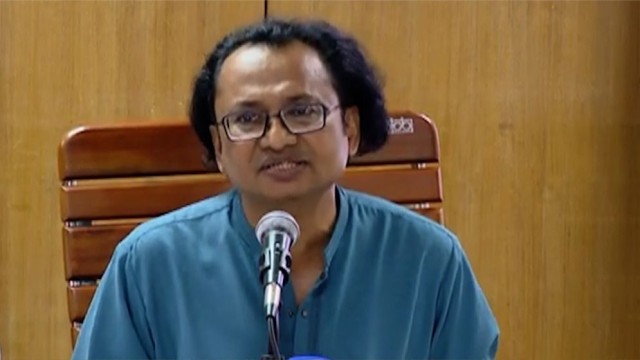
Dhaka, Jun 06 (V7N) – Prime Minister's Information Adviser Dr. Zahed Ur Rahman has said the government will still need to provide a subsidy of approximately Tk 41,000 crore in the upcoming national budget despite recent increases in electricity tariffs.
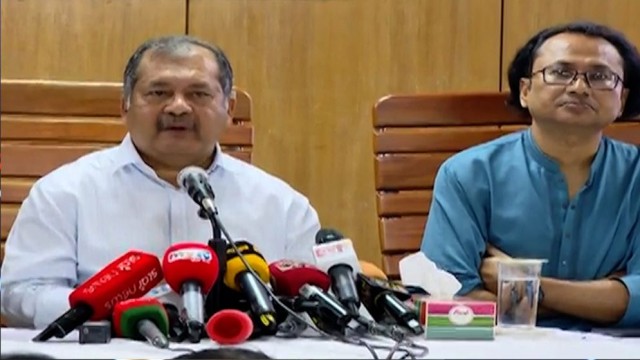
He made the remarks during an emergency press briefing on electricity and energy issues held at the Secretariat on Saturday morning.
According to Dr. Zahed, the Bangladesh Energy Regulatory Commission (BERC) initially approved a 19.85 percent increase in wholesale electricity prices, a 16.68 percent increase at the consumer level, and a 23.96 percent rise in transmission charges.
However, following an appeal by the government, the revised tariffs for residential lifeline consumers using up to 50 units of electricity and first-stage consumers using 51 to 75 units were not implemented.
“As a result, around 65 percent of electricity consumers across the country continue to receive power at the previous rates,” he said.
The information adviser noted that Bangladesh remains heavily dependent on imported fuel, making the energy sector vulnerable to fluctuations in international markets. He said recent adjustments in fuel prices were necessary due to changes in global energy costs.
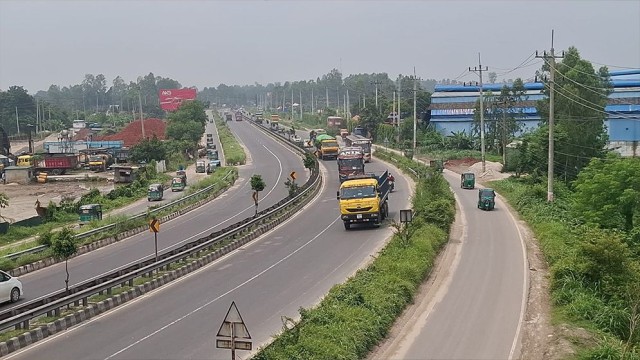
Dr. Zahed explained that while the government has increased the prices of petrol, octane and kerosene, it decided not to raise diesel prices in order to protect ordinary citizens from additional financial pressure.
“Diesel is widely used in public transportation, cargo transportation and the agricultural sector. Keeping diesel prices unchanged is intended to reduce the direct impact on the common people and help contain costs in key sectors of the economy,” he said.
The government maintains that its subsidy and pricing measures are designed to balance the financial sustainability of the energy sector while protecting lower-income households from the full impact of rising global fuel and electricity costs.
The announcement comes amid ongoing discussions on energy pricing, subsidy management and fiscal planning ahead of the presentation of the next national budget.
END/SMA/AJ