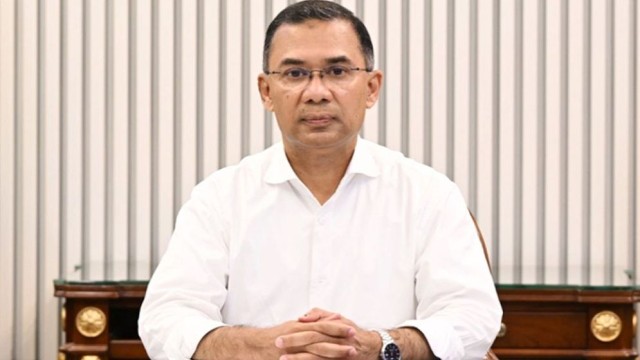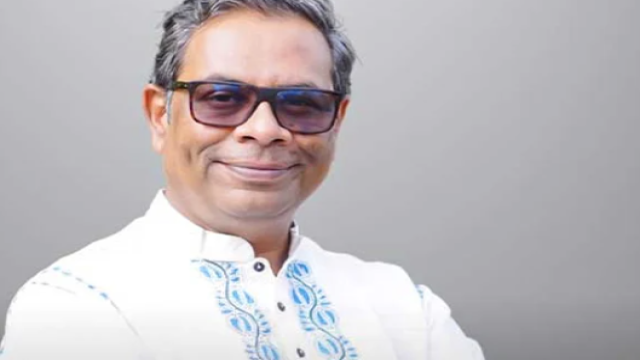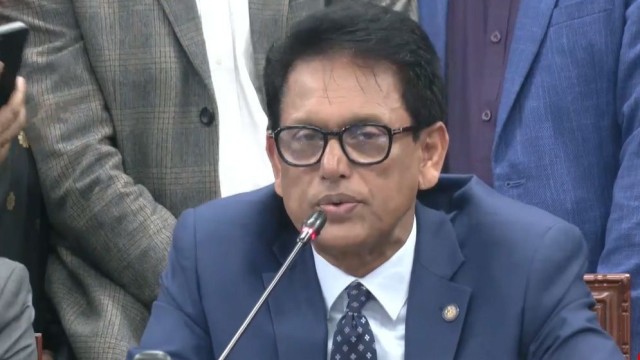
Rangpur, Oct 29 (V7N) – State Minister for Water Resources Farhad Hossain Azad has said that renewing the Farakka Treaty would provide an opportunity for India to demonstrate its friendship with the people of Bangladesh, expressing hope that the agreement would be renewed after December 12.
He said the government expected the renewal to follow the approach taken by former president Ziaur Rahman when the original Farakka agreement was concluded.
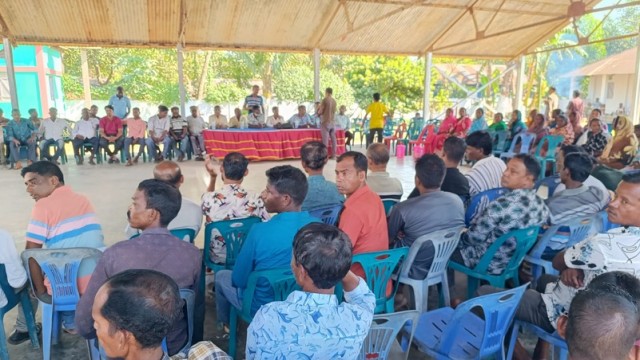
The state minister made the remarks while speaking to journalists after inspecting the Shyamasundari Canal near DC’s intersection in Rangpur city on Wednesday afternoon. During the visit, he also discussed the proposed Teesta Master Plan and ongoing efforts to improve the city's water management infrastructure.
Farakka Treaty Renewal and Water-Sharing Expectations
Azad said the government expected India to take a constructive approach to renewing the Farakka Treaty, which concerns the sharing of Ganges water between the two countries.
He suggested that the renewal would be an important opportunity to demonstrate goodwill towards Bangladesh and address concerns surrounding the country's access to shared river water.
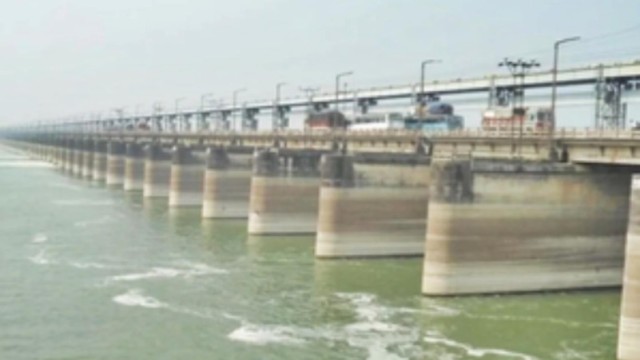
The Farakka Barrage, located in India's West Bengal state, plays a significant role in diverting Ganges water. Water-sharing arrangements involving the Ganges have long been an important issue in Bangladesh-India relations, particularly because of their implications for dry-season river flows, agriculture, fisheries and the environment.
The state minister's comments reflect the government's expectation that the renewal process will lead to an arrangement addressing Bangladesh's water-sharing interests. The specific terms and timing of any renewed agreement, however, will depend on negotiations between the two countries.
Teesta Master Plan Feasibility Study Nears Completion
The minister also provided an update on the proposed Teesta Master Plan, saying its feasibility study was nearing completion.
He said recommendations from consultants from China, the Netherlands and Malaysia would be considered when preparing the Detailed Project Proposal (DPP).
The Teesta River is an important source of water for northern Bangladesh, particularly for irrigation and agriculture. Water availability during the dry season has remained a concern for communities and farmers who depend on the river.
The proposed master plan is expected to require technical assessments and planning to determine the appropriate measures for river management and development. Azad did not provide a specific implementation schedule or details of the proposed project's cost during his remarks.
Development of Shyamasundari Canal a Priority
During his inspection of the Shyamasundari Canal, the state minister said no obstacles to its development would be tolerated.
The canal runs through Rangpur city and is an important part of its drainage system. Its condition has implications for water drainage and the management of waterlogging in the urban area.
Azad's visit highlighted the importance of improving the canal as part of efforts to make Rangpur a more functional and liveable city. Further details about the proposed development work, including its scope, budget and implementation timeline, were not announced.
Rangpur Deputy Commissioner Israt Jahan, Water Development Board Executive Engineer Hafizul Islam, Jubo Dal Central Vice-President Nazmul Alam Naju and other officials and political leaders were present during the inspection.
The minister's remarks placed river-water sharing, the proposed Teesta Master Plan and urban water management among the issues requiring attention. Progress on these initiatives will depend on bilateral discussions, completion of technical assessments and the necessary administrative approvals.
END/RHB/SMA/