Rajshahi, Sept 16 (V7N) – Rajshahi City Corporation has stepped up efforts to protect city residents from dengue, with officials and health experts stressing that public awareness and individual responsibility are essential alongside municipal measures.
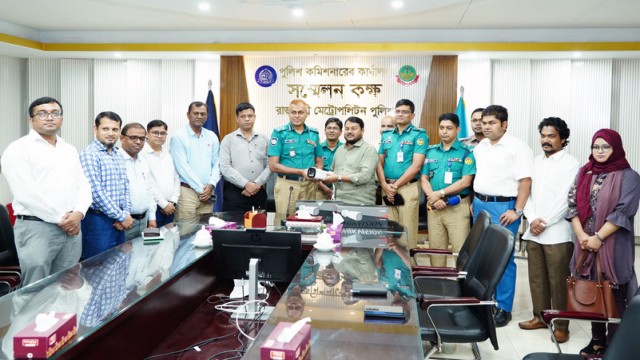
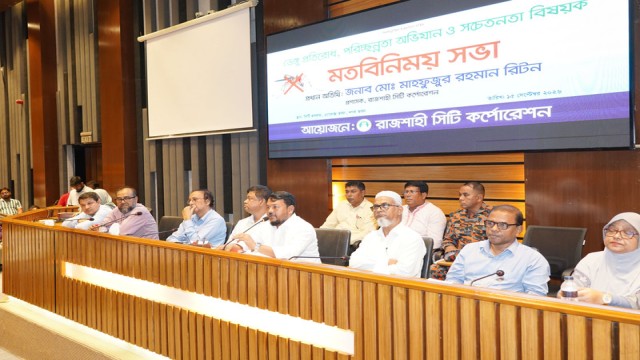
A consultation meeting on dengue prevention, cleanliness campaigns and public awareness was held Tuesday morning at the City Hall conference room of Rajshahi City Corporation.
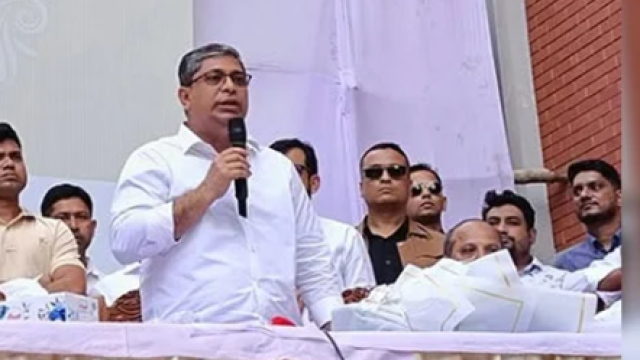
Rajshahi City Corporation Administrator Md Mahfuzur Rahman Riton attended the meeting as the chief guest. Specialist doctors, entomologists, health workers and other relevant officials also took part.
Speakers said Aedes mosquitoes, which transmit dengue, commonly breed in stagnant clean water. They urged residents to regularly inspect and clean courtyards, rooftops, balconies, construction sites and surrounding areas to prevent water from accumulating.
They called on residents to conduct a thorough cleaning of their homes and premises at least once a week and remove discarded containers, flowerpots, coconut shells, tyres and other objects that can hold stagnant water.
Speaking at the meeting, Administrator Mahfuzur Rahman said the city corporation had taken a range of measures to protect residents from dengue and called for collective efforts to make Rajshahi a clean, safe and dengue-free city.
He said public awareness campaigns, destruction of mosquito breeding grounds, cleanliness drives and mosquito-control operations had been strengthened as part of the dengue prevention efforts.
He urged residents to prevent water from accumulating in discarded tyres, coconut shells and other containers, saying this could significantly reduce Aedes breeding sites.
The administrator also highlighted Rajshahi's reputation as a “clean and green city” and said the city corporation wanted to preserve and further enhance that reputation.
He said a tree-planting programme was already under way with a target of planting 250,000 trees to make Rajshahi greener, expressing hope that the target would be exceeded.
The meeting was chaired by Rajshahi City Corporation Chief Executive Officer Md Rezaul Karim. Deputy Registrar of Rajshahi Medical University Dr Mofakhkharul Islam attended as a special guest.
Dr Mofakhkharul Islam stressed the importance of public participation in dengue prevention. He recommended special cleaning drives at homes once a week and at institutions twice a week.
He also advised residents to inspect potential breeding sites every three days, including flowerpots, coconut shells, discarded tyres and containers, and remove any stagnant water.
He said areas where high numbers of dengue larvae are detected should be identified and brought under special preventive measures.
Professor Dr Azizul Haque Azad, head of the Medicine Department at Rajshahi Medical College Hospital, said a separate ward had been arranged at the hospital as dengue cases in Rajshahi increased.
He said dengue is a viral disease transmitted by Aedes mosquitoes and that infection can occur through the bite of an infected mosquito at any time of the day or night.
He advised people to use mosquito nets while sleeping and remain alert to dengue symptoms, noting that the disease may present with fever as well as other forms of illness.
District Entomologist Umme Habiba from the Civil Surgeon's Office and Entomological Technician Md Abdul Bari from the Directorate General of Health Services' divisional office presented overall information on dengue at the meeting.
Rajshahi City Corporation Deputy Chief Conservancy Officer Selim Reza Ronju presented details of measures taken by the city corporation to prevent dengue.
The meeting was moderated by Rajshahi City Corporation Secretary Md Sohel Rana.
Among those present were councillors of the city corporation, Rajshahi Metropolitan Police Deputy Commissioner Gaziur Rahman, representatives of the Department of Environment and Local Government Division, Fire Service and Civil Defence Assistant Director Abdur Razzak, medical specialists from Rajshahi Medical College, senior city corporation officials, health workers and employees from the sanitation and health departments.
END/MRA/SMA/