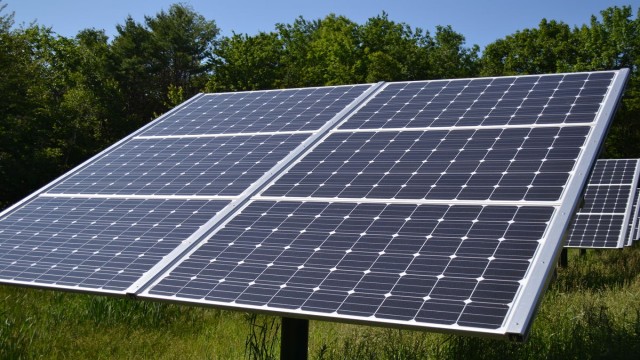
DHAKA, June 12, (V7N)– Bangladesh has unveiled a major strategic initiative to generate 5,000 megawatts of solar power by 2030. The ambitious target is designed to strengthen national energy security, curtail a heavy reliance on imported fuels, and satisfy the rapidly escalating global demand for green supply chains among the nation's key trade partners.
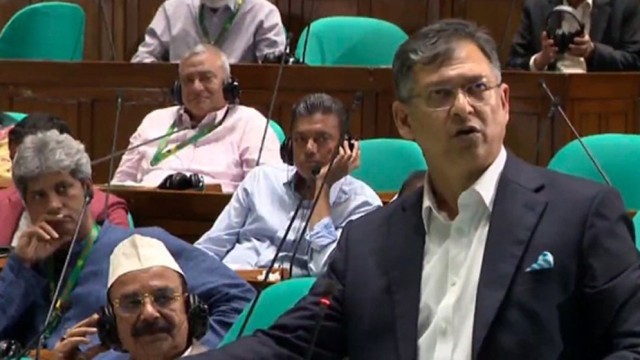
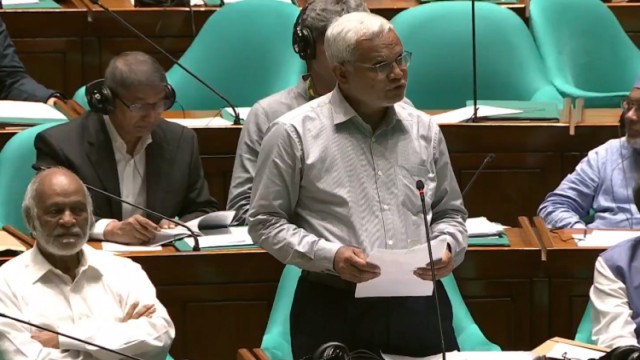
The policy roadmap was announced by Power, Energy and Mineral Resources Minister Iqbal Hassan Mahmood during a post-budget press conference at the Osmani Memorial Auditorium. Addressing reporters alongside Finance Minister Amir Khosru Mahmud Chowdhury, Mahmood rejected criticisms that renewable energy is an unnecessary luxury, framing it instead as a structural economic mandate.
A primary catalyst for the clean energy push is preserving Bangladesh's global trade advantages, particularly within Western markets. The minister emphasized that European nations are increasingly demanding the integration of renewable energy in manufacturing, making the expansion of the solar grid vital to ensuring that domestic, export-oriented industries remain competitive.
To address the intermittent nature of solar power, the government plans to pair future installations with advanced battery storage systems. Mahmood explained that storing energy during peak sunlight hours for round-the-clock distribution is critical to creating a dependable green grid. To stimulate private sector funding, the newly tabled budget has systematically reduced or entirely withdrawn import duties and taxes on solar batteries and related equipment.
Beyond renewables, the Ministry is moving to correct long-term structural flaws in domestic energy production, which Mahmood claimed became unsustainably reliant on foreign fuel over the last 17 years. The government plans to aggressively revive the state-owned exploration entity, BAPEX, by procuring five additional drilling rigs to expand onshore gas exploration, while simultaneously floating tenders to partner with international oil companies for deep-sea offshore operations.
Despite severe geopolitical turbulence—including recent supply chain friction in the critical Strait of Hormuz that forced several suppliers to invoke contract exit clauses—the minister assured the public that Bangladesh's short-term fuel supply remains entirely stable. The state has already utilized roughly $2.5 billion USD for emergency fuel imports to prevent domestic shortages during this transitional phase.
However, the energy sector continues to operate under immense financial duress due to historic liabilities. The current administration inherited approximately Taka 56,000 crore in unpaid energy arrears, a burden compounded by massive ongoing government subsidies required to bridge the gap between high private wholesale power purchase costs and low consumer electricity rates.
Addressing the controversial issue of capacity payments to independent power producers, Mahmood noted that the inherited contracts are legally intricate and protect investors heavily. To avoid triggering sudden defaults or power plant closures, the government has formally requested a legal evaluation from the Law Ministry to determine viable regulatory maneuvers to alleviate the financial burden safely.
END/AJ/RH/