Dhaka, October 28, 2026 (V7N) – Commerce Minister Khandakar Abdul Muktadir said Wednesday that adequate supplies of essential commodities were in the import pipeline to meet demand during the upcoming Holy month of Ramadan, ruling out any possibility of shortages in the market.
"The government had no plan to increase edible oil prices at this moment," he said.
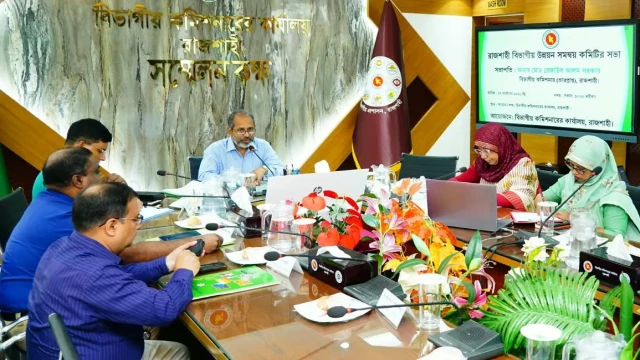
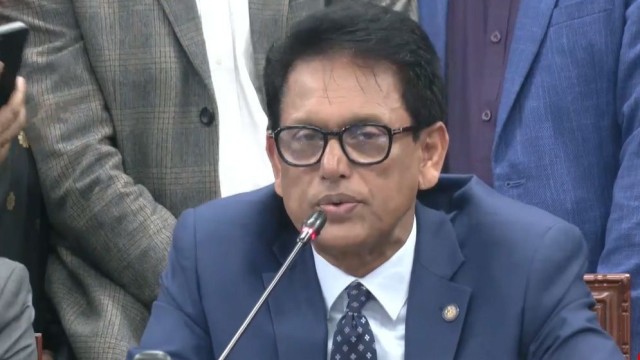
The minister made the remarks while responding to questions from journalists ahead of a meeting with importers and traders at the conference room of the Ministry of Commerce.
Commerce Secretary Sharaf Uddin Ahmed Choudhury, Bangladesh Trade and Tariff Commission Chairman Nasir Uddoula and senior ministry officials, importers and business leaders were present on the occasion.
Muktadir said the government had reviewed the supply situation of essential commodities, including edible oil, chickpeas, lentils and sugar, considering their import dependence and the anticipated demand during Ramadan. "Sufficient quantities of essential commodities are in the import pipeline to keep the market stable. There will be no shortage of products in the market during Ramadan or before and after the month," he said.
However, he noted that fluctuations in international commodity prices and shipping costs played an important role in determining import costs and domestic market prices.
Asked whether traders had proposed an adjustment in edible oil prices and whether prices would be increased before Ramadan, the minister said the government had no such plan at present. Referring to a slight increase in international chickpea prices, he said discussions were underway with importers on the issue. The government remained vigilant to ensure uninterrupted supplies and maintain stability in the market, he added.
Asked about difficulties in opening letters of credit (LCs) for imports, Muktadir said the government had not received any major complaints from traders about such obstacles so far. However, if any importer faced difficulties over LC margins or other banking-related issues, the government would discuss the matter with Bangladesh Bank and take necessary measures, he said.
On trade expansion, the minister said formal negotiations had begun on a proposed free trade agreement (FTA) between Bangladesh and Malaysia. The first round of talks, which began on Tuesday, was expected to play an important role in expanding bilateral trade and investment, he said. The government aims to conclude the agreement with Malaysia by December 2027, he continued.
Muktadir said Bangladesh was also holding discussions on preferential trade cooperation with other important trading partners, including the United Arab Emirates (UAE), Indonesia, Oman, New Zealand and the European Union.
The minister said retaining duty-free and preferential market access would become a major challenge for Bangladesh following its graduation from the least developed country (LDC) category. In this context, concluding free trade agreements with different countries would help Bangladesh maintain its export competitiveness and strengthen its position in international markets, he said. Such agreements would also contribute to expanding markets for ready-made garments and other export products, attracting new investment and increasing bilateral trade, he added.
end/aj/rh