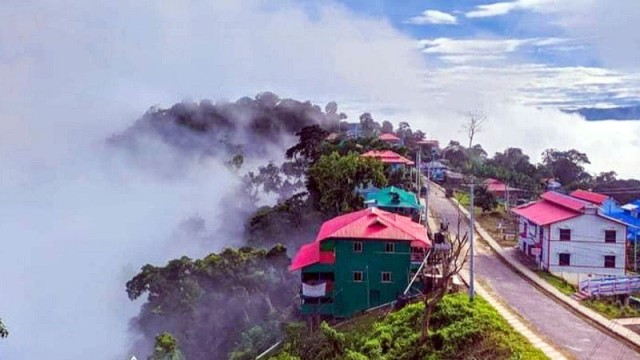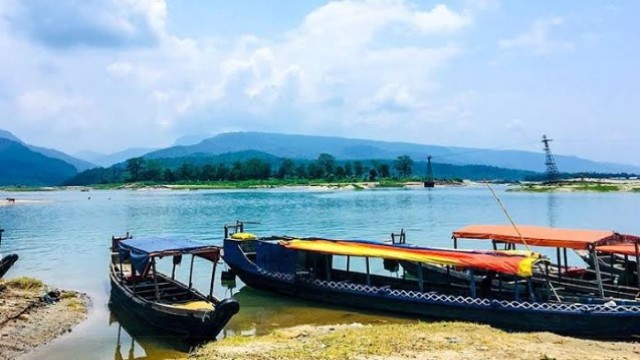
Sylhet, Sept 29 (V7N) – From mist-covered hills and crystal-clear rivers to sprawling tea gardens, wetlands and waterfalls, Bangladesh’s northeastern Sylhet region possesses an extraordinary diversity of natural attractions. Yet the very resources that draw tourists to the region are increasingly coming under pressure from unregulated extraction, pollution, encroachment and inadequate tourism management.
Jaflong, Bichanakandi, Sadapathor, Ratargul, Lalakhal and Pantumai have become familiar names on Bangladesh’s tourism map. Each destination offers a distinct landscape, from white stones and mountain streams to freshwater forests and emerald-green rivers.
But Sylhet’s tourism industry is now facing a critical challenge: how to expand tourism without destroying the natural environment on which the sector depends.
Nature Drives Sylhet’s Tourism
Jaflong remains one of Sylhet’s most popular tourist destinations. Visitors are drawn by the hills along the Bangladesh-India border, waterfalls cascading down the slopes, the clear waters of the Piyain River, the Dawki Bridge, tea gardens and the traditional lifestyle of the indigenous Khasi community.
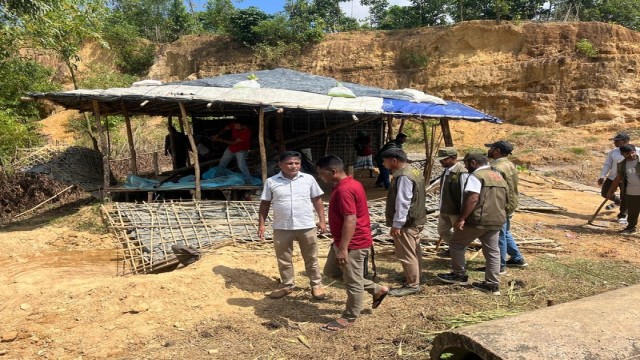
However, the Ecologically Critical Area has come under pressure from sand and stone extraction, encroachment and unplanned construction.
At Sadapathor, tourists once came primarily to experience the combination of white stones, clear water, hills and clouds. But excessive extraction of sand and stones has affected the natural flow of the Dhalai River and altered parts of the landscape.
Bichanakandi, another major attraction, faces similar challenges. Unregulated stone extraction, environmental degradation and inadequate infrastructure have diminished the experience of visitors and raised concerns about the future of the destination.
Ratargul offers a completely different tourism experience. The freshwater swamp forest becomes partially submerged during the monsoon, creating a unique landscape of trees, water and wildlife.
But increasing boat traffic, waste disposal, noise pollution and other unplanned activities are putting pressure on its fragile ecosystem.
Lalakhal, with its greenish-clear water surrounded by hills, and Pantumai, known for its waterfall along the border, also have significant tourism potential. Stakeholders, however, say these destinations require stronger conservation and development initiatives.
Tourism Potential Beyond Nature
Sylhet’s tourism potential extends well beyond its rivers, hills and waterfalls.
The region is home to extensive tea gardens, Khadimnagar National Park and Hakaluki Haor, one of Bangladesh’s important wetland ecosystems. Historical and religious attractions, including the shrines of Hazrat Shah Jalal (RA) and Hazrat Shah Paran (RA), add another dimension to the region’s tourism industry.
Together, these attractions provide opportunities for nature tourism, eco-tourism, religious tourism, cultural tourism and adventure tourism.
Experts say a coordinated approach could transform Sylhet into a diversified tourism destination rather than one dependent on a handful of popular sites.
Infrastructure Remains a Major Challenge
Despite its attractions, Sylhet continues to face infrastructure-related obstacles.
Poor road conditions, difficulties in obtaining train tickets and relatively high airfares can discourage visitors. Tourists travelling with families often face additional difficulties during their journeys.
Weak infrastructure at some tourist destinations also limits the growth of local tourism businesses.
Better roads, reliable public transport, adequate parking facilities, sanitation, public toilets, waste-management systems, tourist information centres and emergency services are considered essential for sustainable tourism development.
Environment Under Growing Pressure
Environmental degradation is perhaps the biggest long-term threat to Sylhet’s tourism industry.
Sand and stone extraction, hill cutting, plastic and other waste, encroachment and unplanned construction are gradually affecting the landscapes that attract visitors.
Tourism itself can also become a source of environmental pressure when visitor numbers increase without proper management.
Experts therefore believe that tourism development must go hand in hand with conservation.
Kashmir Reza, president of the Environment and Haor Development Organisation, said Sylhet’s tourism depended fundamentally on nature.
“Tourists come here primarily to enjoy nature. But we are more focused on destroying natural resources than protecting them,” he said.
“If this continues, tourism will suffer severely. Protecting nature is essential to protecting Sylhet’s tourism.”
Economic Opportunity
Despite the challenges, Sylhet has considerable potential to turn tourism into a major driver of the local economy.
A properly planned tourism industry could generate employment in hotels, restaurants, transport, tour operations, handicrafts, local food businesses and other services.
It could also create new income opportunities for communities living around tourist destinations.
Experts say local communities should be directly involved in tourism planning and benefit from tourism-related economic activities. Such participation could encourage residents to protect natural resources rather than view them simply as sources of extraction.
Government Plans
Sylhet Deputy Commissioner Abdullah Al Mamun said the district administration was working with the Ministry of Tourism and other government agencies to develop the region’s tourism sector.
The administration is also exploring new tourism destinations, he said.
Following the recent identification of a potential tourist site in Jaintapur, an initiative has been taken to construct a road to the area, according to the deputy commissioner.
He also said a plan had been taken to extend the railway line from Sylhet to Tamabil, which could improve connectivity and support tourism development in the region.
Need for a Tourism Master Plan
Experts believe Sylhet now needs a comprehensive tourism master plan that clearly identifies which areas should be developed, which areas require strict environmental protection and how visitor numbers should be managed.
Such a plan could include carrying-capacity assessments for sensitive destinations, restrictions on environmentally harmful activities, improved waste management, regulated tourism infrastructure and stronger enforcement against illegal extraction and encroachment.
Tourism development should also be based on long-term environmental sustainability rather than short-term commercial gains.
Sylhet’s greatest tourism asset is its natural diversity. If that asset continues to deteriorate, the region could lose the very attractions that bring visitors there.
But with coordinated planning, improved connectivity, environmental protection and responsible tourism management, Sylhet has the potential to emerge as one of Bangladesh’s leading destinations for nature, culture, heritage and eco-tourism.
The challenge now is not whether Sylhet has enough attractions to attract tourists. It is whether those attractions can be protected and developed before the pressures of unplanned tourism and environmental degradation permanently change them.
END/AKR/SMA/