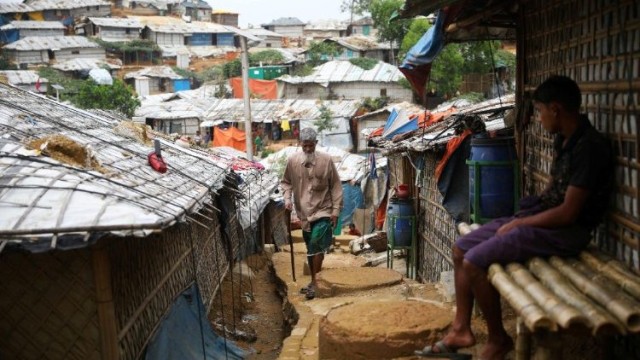
Cox’s Bazar, Oct 07 (V7N) – Dengue infections continue to rise in the Rohingya refugee camps in Cox’s Bazar, with 2,882 cases and 10 deaths recorded between January 1 and October 5 this year, according to the latest data from the Cox’s Bazar Civil Surgeon’s Office.
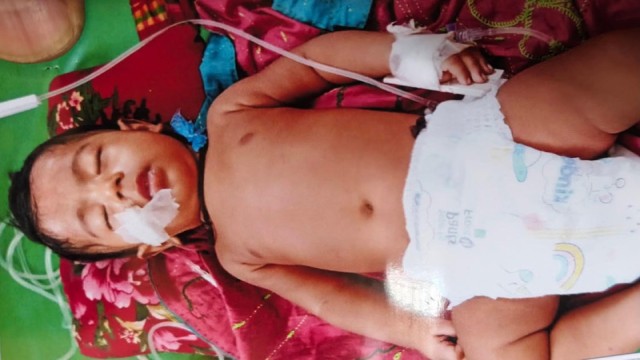
Six of the 10 Rohingya who died from dengue were children, while the remaining four were elderly men and women, according to the report.
The latest dengue situation report was released by the Civil Surgeon’s Office on Monday, October 5.
The report showed that 5,033 dengue cases had been detected across Cox’s Bazar district during the same period, with Rohingya camp residents accounting for 2,882 cases, or more than half of the district’s total infections.
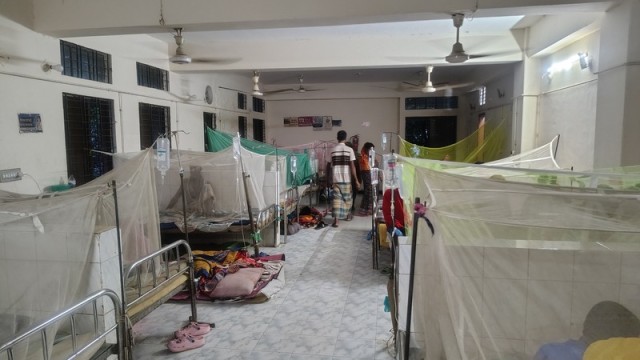
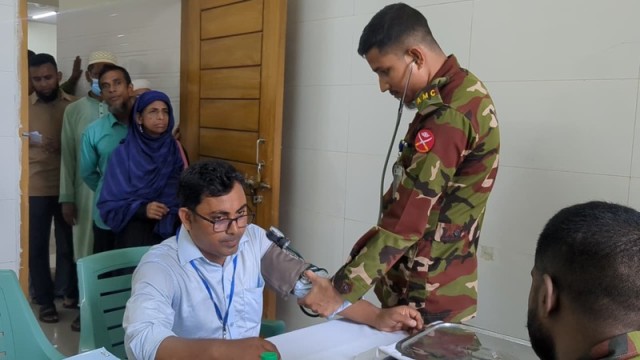
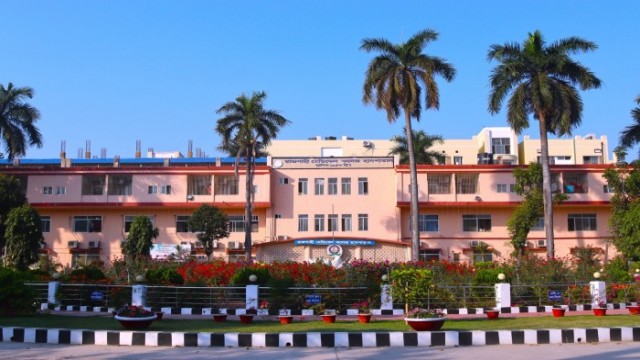
In the 24 hours covered by the latest report, 32 new dengue cases were detected across the district, including one Rohingya patient. During the same period, 28 patients were admitted to hospitals and 23 were discharged after receiving treatment.
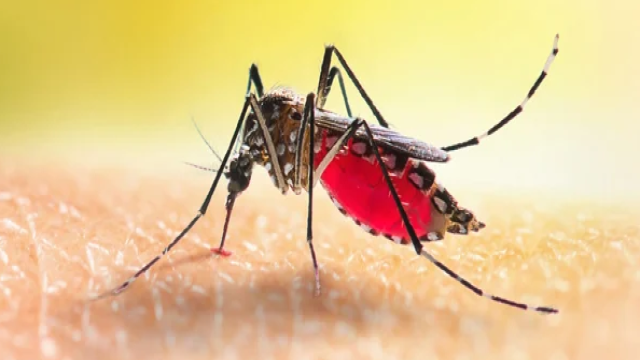
Dengue cases typically increase in the Rohingya camps during and after the monsoon season. Health officials and humanitarian agencies have previously identified mosquito breeding and environmental conditions as important factors in dengue transmission in the camps.
The worsening situation in the camps comes amid a broader rise in dengue infections across Bangladesh. Nationally, the country recorded a sharp increase in dengue cases and deaths in September, with health experts warning that transmission could remain high in October because of recent rainfall and favourable mosquito-breeding conditions.
The World Health Organization has also warned that funding shortages from October 2026 could disrupt some health services in the Rohingya response, including services affecting an estimated 400,000 people. The shortages are also expected to constrain disease surveillance and outbreak-response coordination.
Previous health-sector data show that dengue has remained a recurring public health concern in the Rohingya camps. In 2024, the camps recorded more than 16,500 confirmed dengue cases and nine deaths, making that year’s outbreak the largest and most prolonged in the camps since 2018.
Health experts have stressed the importance of preventing mosquito breeding by removing stagnant water and improving environmental sanitation, alongside early diagnosis and timely treatment.
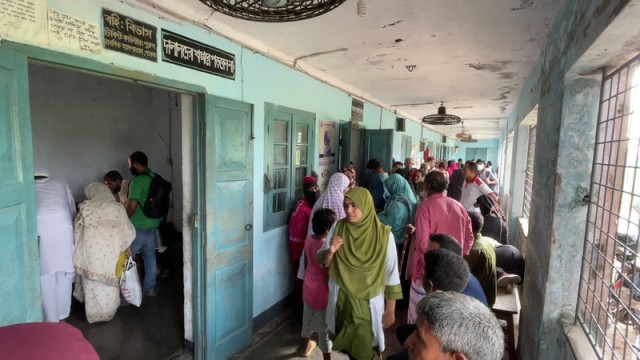
With the number of infections continuing to rise in the camps, health authorities and humanitarian agencies face growing pressure to strengthen dengue surveillance, prevention and treatment services as the disease season continues.
END/MSI/SMA/