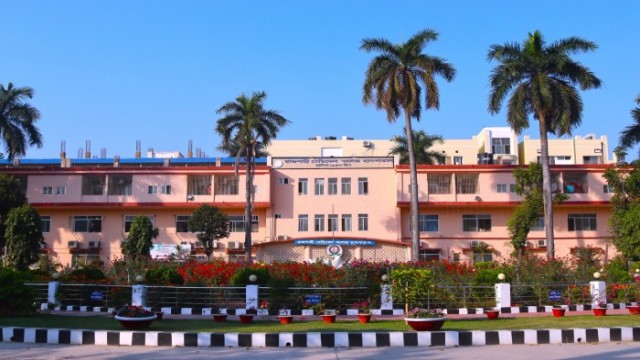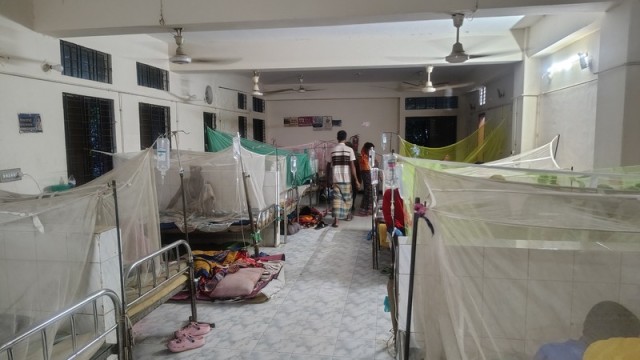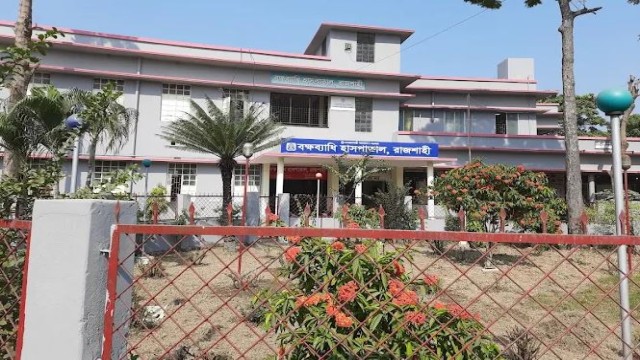
Rajshahi, Nov 01 (V7N) – Rajshahi's 150-bed Chest Disease Hospital is struggling to provide healthcare services amid severe shortages of medical staff, diagnostic equipment, medicines and adequate infrastructure, despite a sharp rise in patient numbers and the range of services offered.
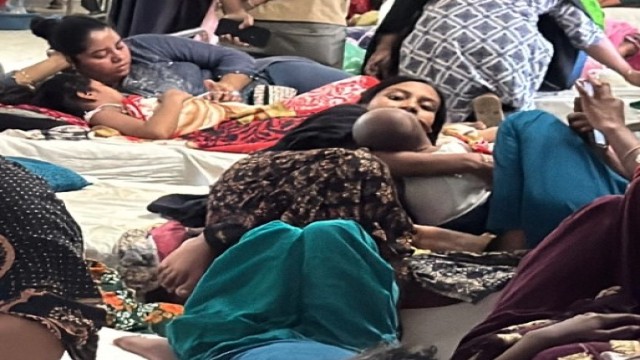
The hospital's 10 doctors are struggling to handle an average of 250 to 300 patients every day. Patients from Rajshahi and neighbouring areas, as well as from the Rangpur and Khulna divisions, are facing difficulties in accessing timely diagnosis and treatment.
The problems include an ageing and deteriorating hospital building, malfunctioning diagnostic equipment and shortages of essential medicines.
Growing workload, unchanged medical staff
The hospital began operations in 1966, primarily to treat tuberculosis patients. Over time, it expanded into a specialised centre for various chest and respiratory diseases, including asthma, bronchitis and chronic obstructive pulmonary disease (COPD).
However, the number of approved medical posts has not increased in line with the expansion of services. According to the hospital's staffing structure, 10 doctor positions are authorised, but the existing workforce is struggling to manage outpatient services, inpatient care and round-the-clock emergency duties.
The important post of senior consultant has also remained vacant for a long time.
Resident Medical Officer (RMO) Dr Shariful Islam said maintaining full services had become difficult, particularly when doctors were on leave or attending training programmes.
He said only six medical officers were available to maintain shift duties, making it increasingly challenging to keep all services running around the clock.
Diagnostic equipment frequently out of order
The shortage of functional diagnostic equipment has added to patients' difficulties. The laboratory's analyser machine has remained out of order for the past five to six months, preventing several important tests, including blood tests.
As a result, patients are often forced to undergo tests at private diagnostic centres at higher costs.
Nurses and laboratory technologists said the absence of backup equipment meant that a single machine breakdown could disrupt an entire service.
The hospital's only digital radiography (DR) X-ray machine has also repeatedly malfunctioned. Although repair attempts have been made, it has yet to return to full operation. The hospital also depends on a single ECG machine to provide electrocardiogram services.
Medicine shortages and deteriorating building
Although the hospital is supposed to supply 48 types of medicines, patients reportedly receive only around 20 to 25 types of basic medicines. While some antibiotics and painkillers are available, patients have to purchase many other necessary medicines with their own money.
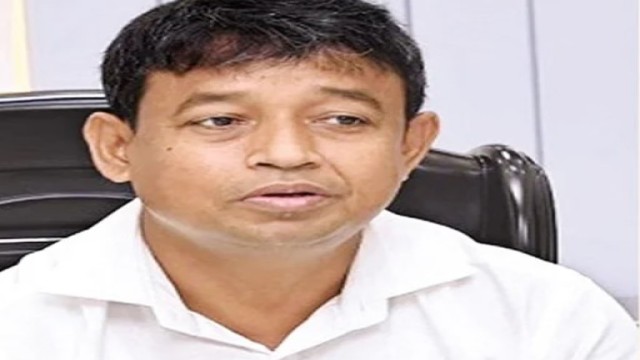
Hospital Superintendent Dr Md Mojibur Rahman said the shortage of technical staff was another major concern. Only one technologist each is assigned to the laboratory and X-ray departments. He said the number of technologist posts should be increased to at least five.
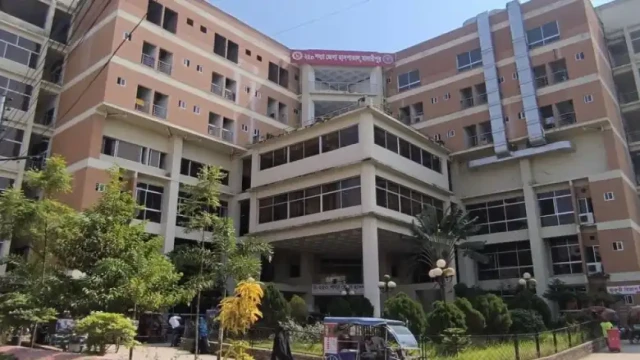
The hospital's infrastructure is also in poor condition. The main building, constructed nearly 60 years ago on a 27-acre site, has developed extensive damage, with plaster frequently falling from ceilings and walls.
Although the Public Works Department has carried out repairs several times, much of the old building remains visibly dilapidated. Hospital authorities said a new medical building had been constructed and that the Public Works Department was expected to repair the damaged sections of the existing structure soon.
Services continue despite constraints
Despite the shortages of doctors and equipment, hospital authorities said they were trying to maintain outpatient, inpatient and emergency services to the best of their ability.
Some patients arriving from distant districts expressed satisfaction with the quality of medical care, while others voiced frustration over the lack of diagnostic facilities and necessary equipment.
Hospital officials and people concerned with the sector warned that unless staffing levels are increased and modern diagnostic facilities are introduced, respiratory healthcare services for a large population across the region could face further pressure.
END/MRA/SMA/