Rajshahi, Nov 02 (V7N) – Untreated liquid medical waste from healthcare facilities in Rajshahi is reportedly entering city drains and canals, raising concerns about environmental pollution and public health risks.
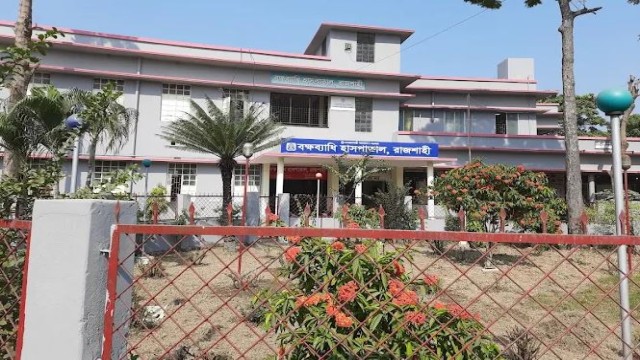
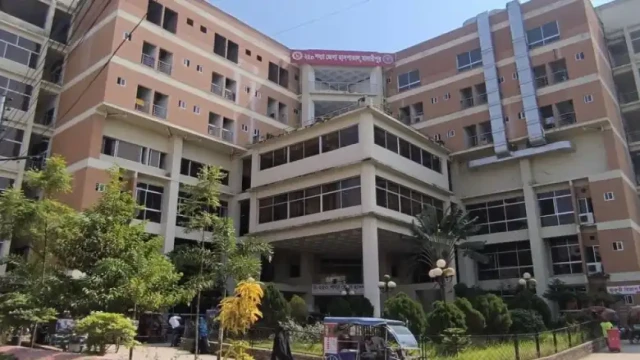
According to the District Civil Surgeon’s Office, Rajshahi has 216 hospitals, clinics and diagnostic centres. However, data from the Department of Environment show that only two of these facilities have functioning Effluent Treatment Plants (ETPs) for treating liquid waste. This leaves 214 healthcare facilities with significant gaps in liquid medical waste management.
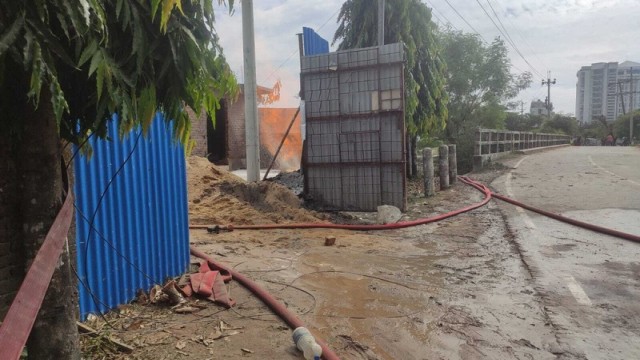
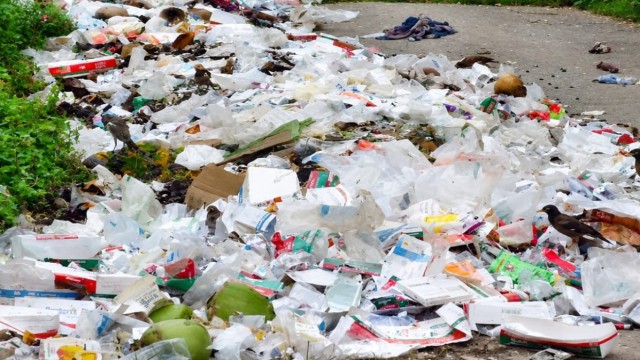
A field visit to the Laxmipur area of the city found signs of liquid waste being discharged through drainage systems near healthcare facilities. Waste from several large diagnostic centres also appeared to be flowing into drains. In some places, other medical waste was found alongside liquid waste.
Under existing regulations, liquid waste generated by healthcare facilities should be treated before being safely discharged. However, many institutions reportedly dispose of it through sewerage or drainage lines without adequate treatment.
The drainage network carries water towards Paba upazila, while city corporation drains eventually discharge into the Barnoi River. As a result, untreated medical waste may spread beyond urban drains, potentially contaminating water and soil. Exposure to pathogens in such waste may also increase the risk of infection.
Local residents described their experiences with medical waste in nearby drains. Abdus Salam, a resident of Paba upazila, said blood, cotton, gauze and other medical waste could frequently be seen floating in drainage water. He said the waste produced a strong smell and that people sometimes had to walk through the polluted water.
He added that sharp objects such as syringes, wires and broken glass bottles sometimes injured their feet, after which they experienced itching and sores.
Another resident, Morzina Begum, said the drain water was extremely dirty and foul-smelling. She said people who came into contact with it often developed itching and small sores on their feet.
Ruhul Amin also said medical waste could be seen in the drains, creating foul odours and making movement difficult when the water overflowed onto roads. Sohel Rana said cuts and wounds sustained while walking through the water could take a long time to heal.
Several healthcare facility owners acknowledged that their institutions did not have ETPs and that liquid waste was discharged through sewerage lines. However, they said they could not confirm whether the waste ultimately entered the city's drains, citing a lack of effective monitoring.
Mostafizur Rahman, president of the Rajshahi Private Clinics and Diagnostic Centres Association, said private healthcare facilities faced various limitations in managing liquid waste and that practical measures were needed to address the problem.
He said some facilities currently used a bathroom in a hospital for limited treatment of liquid waste before discharging it into sewerage lines. He added that they would comply if the government introduced a requirement for full treatment.
However, many facilities operate from rented buildings, making it difficult to install ETPs, he said. He added that they would take steps to install treatment plants if given sufficient time.
Experts warn that liquid medical waste can be more hazardous than ordinary waste because it may contain disease-causing microorganisms and chemical substances. Releasing such waste into the environment without proper treatment can contaminate water and soil and cause both immediate and long-term health problems.
Dr Md Mizanur Rahman, head of the Department of Virology at Rajshahi Medical College, said hospital liquid waste could contain various microorganisms. If released untreated, he said, these pathogens could spread and increase the risk of infection, with potentially harmful consequences for public health.
The Department of Environment said it was taking action against institutions that failed to comply with environmental clearance conditions and waste management regulations. It was also instructing healthcare facilities to ensure proper treatment of liquid waste.
Moushumi Tasmina Khatun, deputy director of the Department of Environment in Rajshahi, said institutions had been instructed to establish appropriate liquid waste treatment systems. She warned that enforcement drives would be conducted against those that failed to comply, adding that warnings and directives had already been issued.
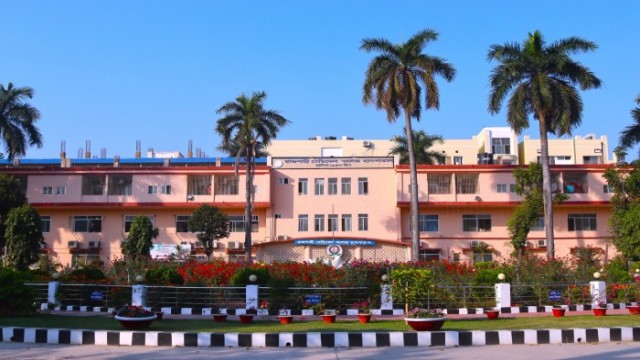
She said four institutions, including Rajshahi Medical College, had been served notices this year to install liquid waste treatment facilities. The department expects them to establish the systems soon.
Civil Surgeon Dr S I M Rajiul Karim said healthcare facilities must follow the prescribed waste management rules and that action would be taken against those that failed to comply.
He warned that improper medical waste management could pose a serious threat to public health.
END/MRA/SMA/