Islamabad, Feb 28 (V7N) — The evolving geopolitical landscape in South Asia has taken a new turn as the relationship dynamics among Pakistan, Afghanistan, and India undergo significant changes amid escalating tensions along the Pakistan–Afghanistan border.
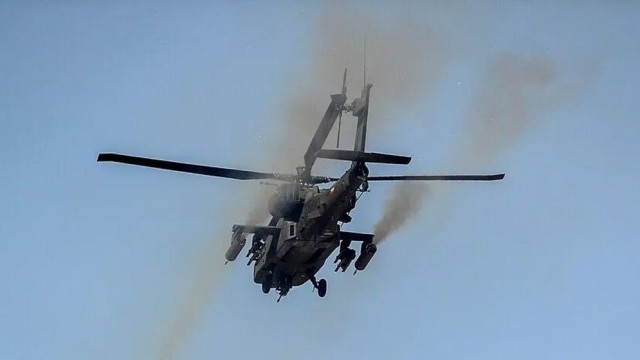
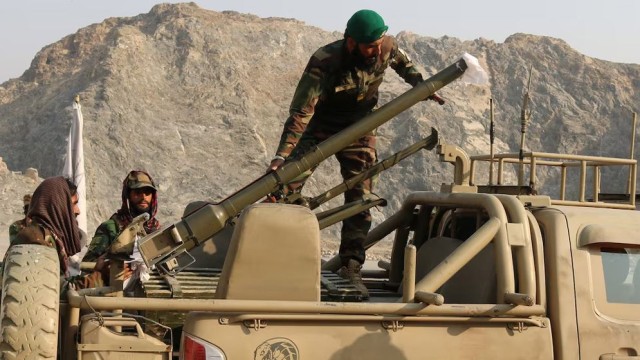
In recent days, cross-border attacks have intensified, culminating in Pakistan declaring an all-out military campaign against Afghan Taliban forces. Pakistani Defense Minister Khawaja Asif alleged that India is indirectly encouraging the Taliban to destabilize the region—an accusation New Delhi has not officially responded to, while the Taliban administration has firmly denied.
Meanwhile, India condemned Pakistan’s military operations in Afghanistan during the holy month of Ramadan, reflecting a notable diplomatic posture that contrasts sharply with its historical stance toward the Taliban.
From Hostility to Pragmatism
Historically, India maintained no diplomatic engagement with the Taliban after their first rise to power in 1996 and supported the U.S.-led intervention in 2001. Relations remained frozen for years, particularly after the 2008 attack on the Indian embassy in Kabul that killed dozens.
However, since the Taliban’s return to power in 2021, the relationship has gradually shifted. India resumed limited diplomatic activity, reopening its embassy operations in Kabul in October last year, while Afghan authorities restored consular services in Indian cities such as Mumbai and Hyderabad.
Strategic Calculations
Analysts say the shift reflects strategic pragmatism rather than ideological alignment. According to regional experts, New Delhi views engagement with the Taliban as a way to maintain influence in Afghanistan and counter the strategic leverage of Pakistan and China.
Beyond diplomacy, India has also continued humanitarian support to Afghanistan, including shipments of food and medical supplies following last year’s major earthquake. During previous Afghan governments, New Delhi provided billions of dollars in assistance for infrastructure projects such as schools, hospitals, highways, and the parliament building.
Regional Implications
The recalibration of alliances underscores how rapidly geopolitical realities can reshape long-standing rivalries. As Pakistan intensifies military pressure and India cautiously expands engagement, observers warn that the shifting equations could redefine security and diplomatic alignments across South Asia in the months ahead.
END/SMA/AJ