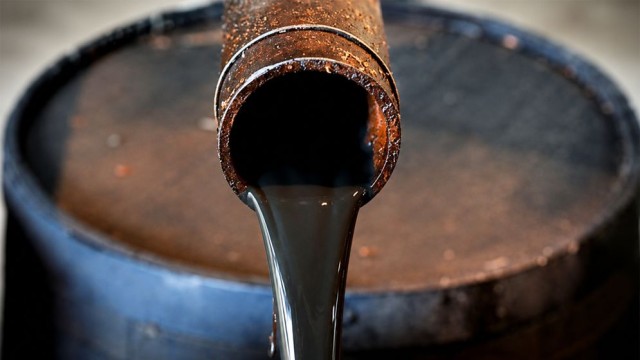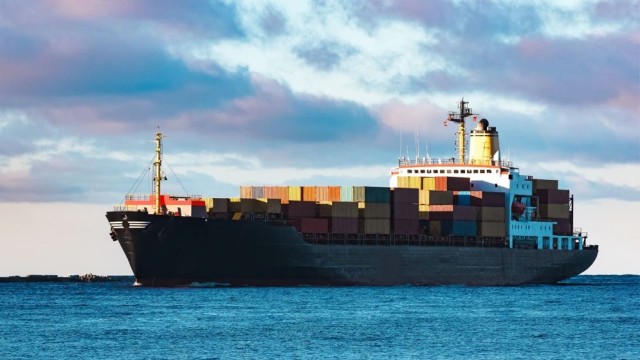
Dhaka, Sep 08 (V7N)- Around 80 to 90 percent of global trade is transported by sea. But the fuel that keeps the world's shipping industry moving is now facing a growing supply crisis as exports of heavy fuel oil, or bunker fuel, decline and prices rise.
In the six months from March to August, Middle East fuel oil exports fell by around 45 percent year-on-year, averaging about 447,000 barrels per day.
At the same time, oil refineries are increasingly prioritizing more profitable products such as diesel, gasoline and jet fuel over marine fuel. This is tightening supply while demand and prices for ship fuel continue to rise.
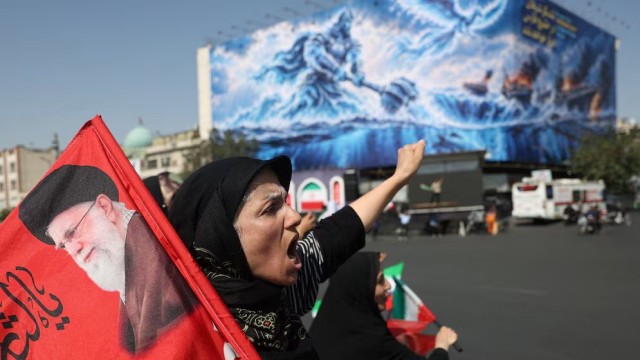
Analysts say the war involving Iran is a major factor behind the disruption. The Strait of Hormuz, one of the world's most important energy routes, has been severely affected by the conflict. Before the war, around 20 percent of global oil and gas supplies passed through the waterway.
The long-running shipping crisis caused by Houthi attacks in the Red Sea and Bab al-Mandab Strait has added further pressure on international maritime trade.
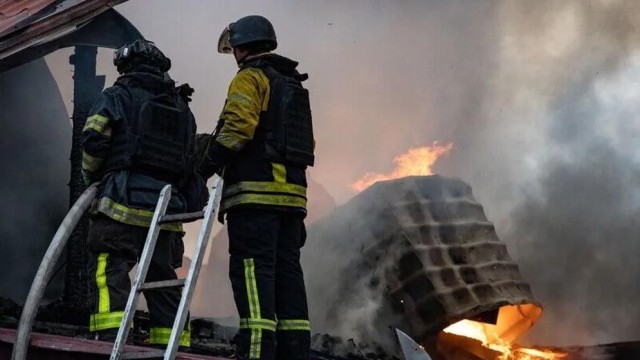
Meanwhile, drone attacks in Ukraine have damaged several Russian oil refineries, contributing to a decline in Russia's fuel oil exports.
Singapore faces higher bunker fuel prices
Singapore is the world's largest bunker fuel hub and imports more than half of the roughly 1 million barrels of fuel oil it consumes.
Since the beginning of the war, the price of very low sulfur fuel oil (VLSFO) in Singapore has increased by around 76 percent. By September 1, the price had reached approximately $825 per metric ton.
The rise in marine fuel prices is creating additional costs for shipping companies. Higher fuel costs ultimately push up transportation expenses, which can then be passed on to producers and consumers.
As a result, the impact of the conflict could extend far beyond the Middle East, potentially increasing the cost of goods in markets thousands of kilometers away.
Analysts warn that unless the Middle East conflict ends quickly, marine fuel prices may remain elevated. They say the world's spare refining capacity is limited, leaving little room to compensate for further disruptions in supply.
END/SMA/AJ