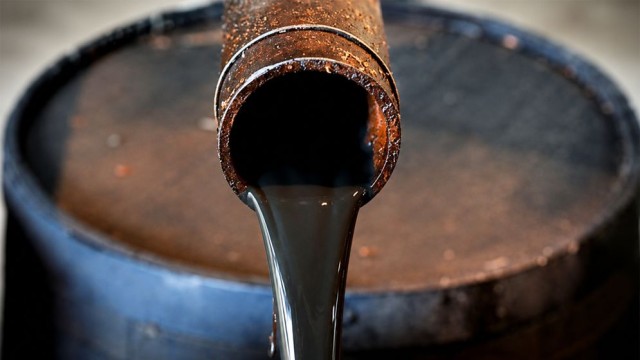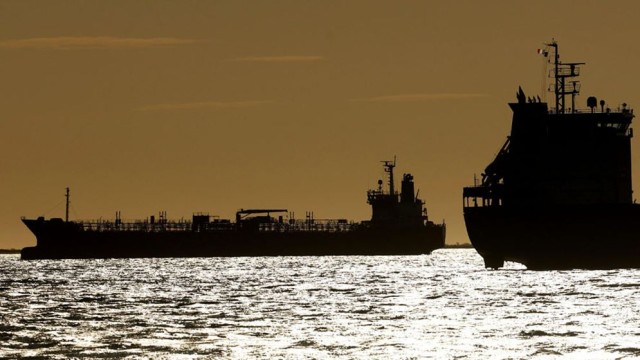
Mar 22 (V7N)- The ongoing conflict in the Middle East has driven oil prices to unprecedented levels, putting enormous pressure on the global economy. In response, the United States has eased sanctions on Iranian oil, a move seen as an attempt to stabilize supply and relieve the escalating energy crisis.
With the Strait of Hormuz nearly closed, global oil supplies have dropped sharply, causing spikes in the prices of gas, electricity, transportation, and other essentials. This has affected not only the US but the entire world, with ordinary citizens facing rising costs of living.
Despite ongoing sanctions, Iran would likely have sold oil to countries such as China. By easing restrictions, Washington hopes to channel some of this oil into the reserves of allied nations, temporarily easing market pressure. Austrian economist Daniel Wittjani Hey noted that such measures are necessary to prevent further increases in fuel and consumer goods prices.
However, the Trump administration faces criticism for the policy conflict: conducting military operations against Iran while simultaneously allowing it financial benefit through oil sales. Experts argue that the extra Iranian oil may only offer short-term relief due to limited quantities compared to global demand.
Many analysts emphasize that the long-term solution lies in reopening the Strait of Hormuz, as prolonged disruption could trigger a severe global economic crisis.
END/SMA/AJ