


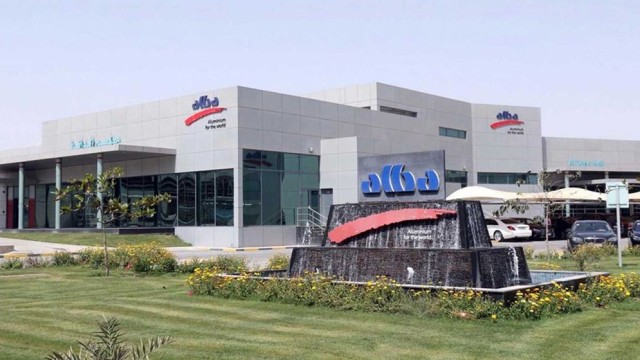
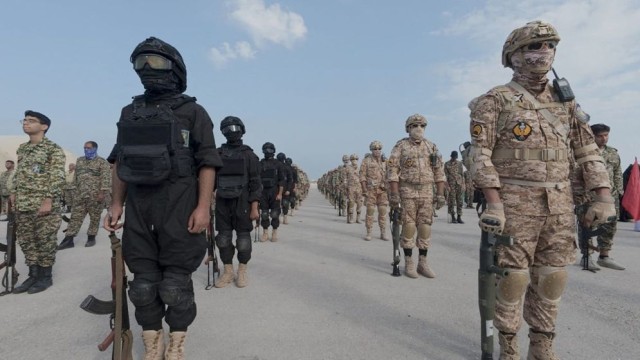
SANAA, Mar 29 (V7N) – Iran’s Islamic Revolutionary Guard Corps (IRGC) officially claimed responsibility today for a series of weekend missile and drone strikes targeting major industrial facilities in Bahrain and the United Arab Emirates (UAE). The attacks, which occurred on Saturday, March 28, represent a significant expansion of Tehran’s "retaliation doctrine" against Gulf states hosting U.S. military assets.
Alba Targeted: Industrial Sabotage in Bahrain
Aluminium Bahrain B.S.C. (Alba), operator of the world’s largest single-site aluminum smelter, confirmed it was hit in the Iranian strike.
-
Casualties: Two employees sustained minor injuries during the attack.
-
IRGC Justification: In a statement carried by the state broadcaster IRIB, the IRGC claimed the facility is an "industry affiliated with the U.S. military and aerospace sectors" in the region.
-
Operational Impact: Alba is currently assessing the extent of the damage. Earlier this month, the company had already initiated a safe shutdown of three reduction lines (19% of its capacity) due to the supply chain disruptions caused by the closure of the Strait of Hormuz.
Simultaneous Strike in the UAE
A similar attack targeted the Emirates Global Aluminium (EGA) facility in Abu Dhabi.
-
Damage: EGA reported "significant damage" to one of its sites.
-
Injuries: Six employees were wounded in the UAE strike.
-
Regional Context: The IRGC stated these strikes were direct retaliation for U.S.-Israeli operations launched from Gulf-based military installations against Iranian industrial infrastructure.
Houthis Execute "Second Military Operation"
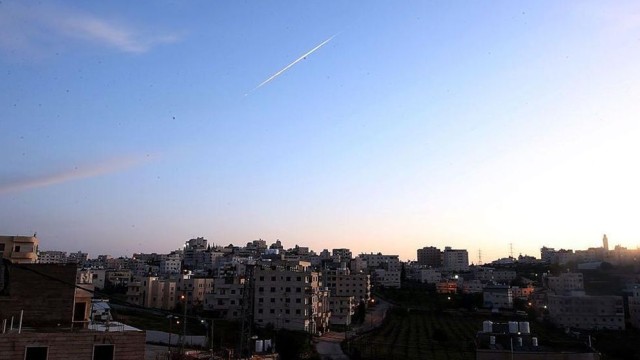
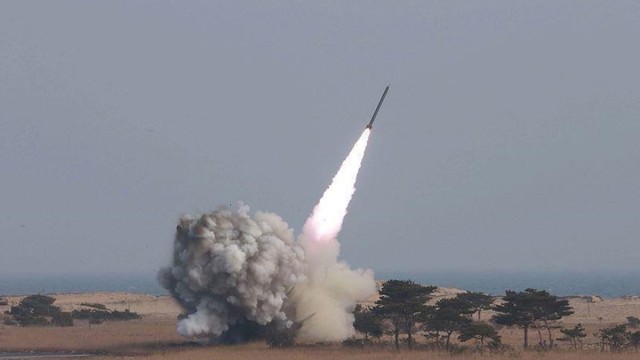
Coinciding with the IRGC's industrial strikes, Yemen’s Houthi rebels (Ansar Allah) announced they carried out a second wave of attacks on southern Israel on Sunday.
-
The Offensive: Houthi spokesperson Brigadier General Yahya Saree stated that "cruise missiles and drones" were launched at vital Israeli military installations.
-
Coordination: The group emphasized that these strikes are being coordinated with the "Axis of Resistance" in Iran and Lebanon to increase pressure on the U.S.-Israeli coalition.
-
Israeli Response: While sirens were heard in southern Israel, the IDF reported successful interceptions over the Red Sea and maintained that no significant damage occurred on Israeli soil from this second wave.
Wider Regional Escalation
The "aluminum war" highlights the increasing vulnerability of the Gulf’s economic infrastructure:
-
Shipping Standoff: With most Gulf aluminum producers accounting for 9% of global supply, the inability to ship via the Strait of Hormuz has already crippled regional exports.
-
Oil Prices: Energy markets remain on edge as Kuwaiti oil holds at $118.93 per barrel, with traders fearing that a "double blockade" of both the Hormuz and Bab al-Mandab straits could trigger a global energy shock.
The IRGC has warned that its retaliation will "go beyond any level of aggression" if the U.S. and Israel continue their month-long air campaign, which recently hit two Iranian civilian nuclear research centers.
END/SMA/AJ









Comment: