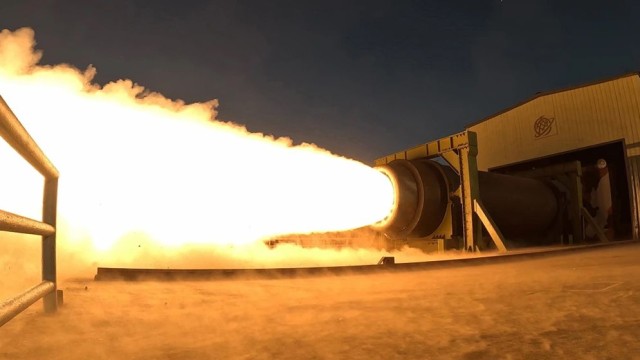
PYONGYANG, Mar 29 (V7N) – North Korea has successfully tested a high-powered, solid-fuel missile engine capable of reaching the United States mainland, state media KCNA reported on Sunday. The test, personally supervised by Supreme Leader Kim Jong Un, marks a significant leap in Pyongyang's strategic strike capabilities as global tensions spike over the U.S.-Iran war.
Technical Breakthrough: Carbon Fiber & Massive Thrust
The new engine represents a substantial upgrade over North Korea's previous solid-fuel technology:
-
Enhanced Power: The engine achieved a maximum thrust of approximately 2,500 kilotons, a nearly 27% increase from the 1,971 kilotons recorded in a similar test last September.
-
Advanced Materials: KCNA highlighted the use of composite carbon fiber in the engine's construction, a material that is lighter and stronger than traditional steel, allowing for greater range and payload capacity.
-
Strategic Advantage: Unlike liquid-fueled missiles, solid-fuel engines can be fueled in advance and launched almost instantly, making them harder for U.S. and allied intelligence to detect and intercept.
Analysis: Target—U.S. Defense Systems
Military analysts believe the increased thrust is specifically designed to support Multiple Independently Targetable Re-entry Vehicles (MIRV).
-
Penetration Capability: By mounting multiple warheads on a single missile, North Korea aims to overwhelm U.S. missile defense shields (like GMD and THAAD).
-
Modernization Drive: The test is part of a five-year military development program intended to establish a "permanent nuclear deterrent" against Western influence.
Kim Jong Un’s Rhetoric: The "Middle East Context"
In a defiant speech to the North Korean parliament following the test, Kim Jong Un linked the development directly to the ongoing conflict in West Asia.
-
Accusations of "Terrorism": Kim accused the United States of "terrorism and aggression" in its war against Iran, which began on February 28.
-
Global Posture: He pledged to solidify North Korea's status as a "permanent nuclear power," framing the missile program as a necessary defense against what he termed "American imperialist overreach."
Regional Reaction
While KCNA did not specify the exact time or location of the test, the news has put South Korea and Japan on high alert.
-
Seoul's Response: The South Korean Joint Chiefs of Staff stated they are "closely monitoring" North Korean missile activities in coordination with the U.S.
-
U.S. Indictment: Washington has yet to issue a formal statement, though the Pentagon is already stretched thin with the deployment of three aircraft carriers to the Middle East.
The timing of the test—amidst 8 million-strong anti-war protests in the U.S. and the IRGC's threats against regional universities—suggests Pyongyang is capitalizing on the current global instability to accelerate its own strategic goals.
END/SMA/AJ